"Dario Is Right": Musk and Altman Backed Anthropic CEO's Call to Slow Down AI Development
The biggest competitors in the field of AI agree on the need to reduce the risk of something going wrong

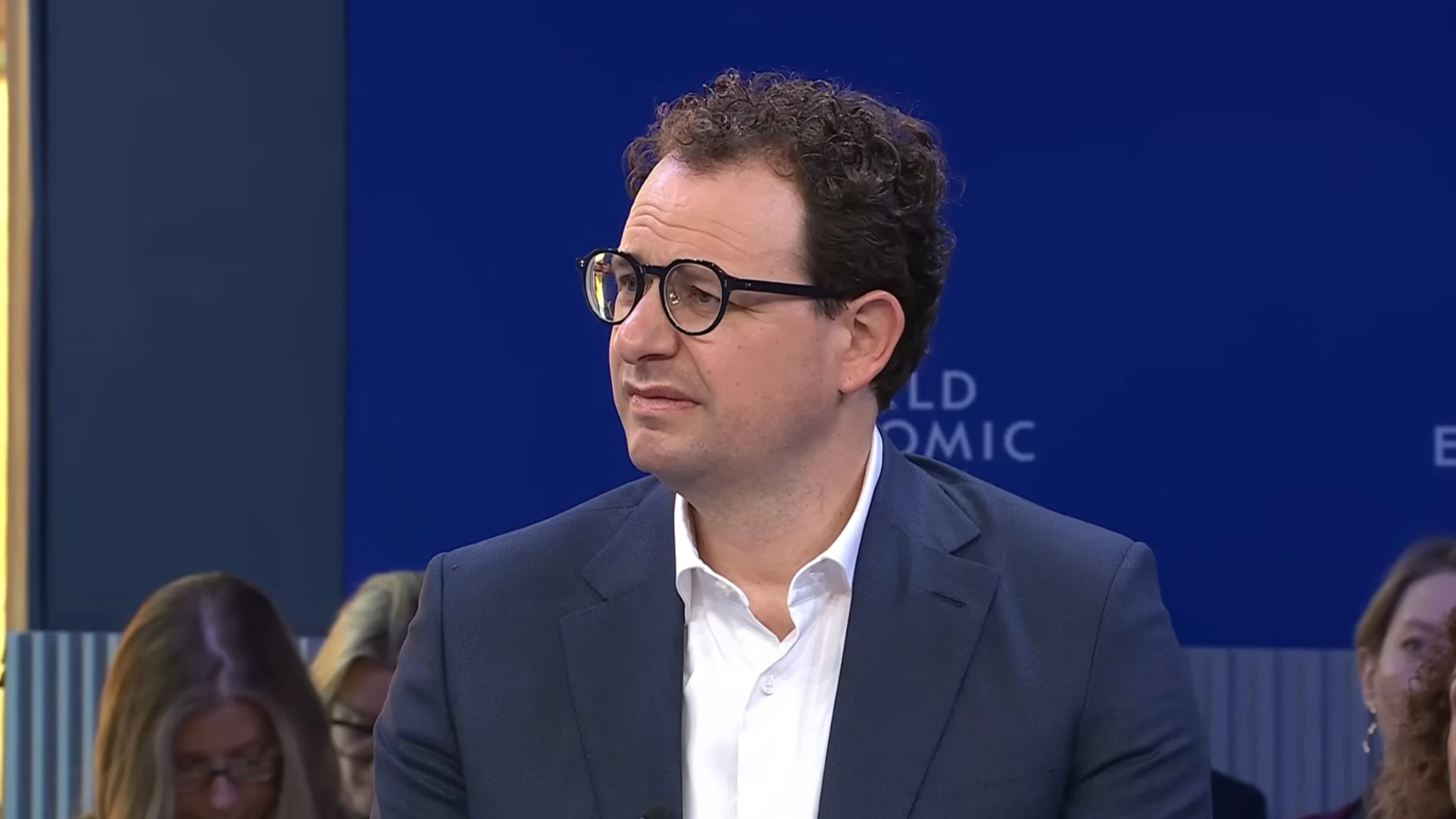
If the pace of AI development isn't slowed down, a swarm of agents could be capable of taking over the entire internet in 6–12 months, warned the head of Anthropic / Photo: youtube.com / wef
The heads of the largest companies in the field of artificial intelligence—Dario Amodei of Anthropic, Sam Altman of OpenAI, and Elon Musk of xAI—have made it clear that they share the view that the development of the most advanced AI models should be slowed down due to growing risks.
"Catastrophic damage"
On September 12, Amodei published a detailed blog post in which he called on the industry to slow down the development of advanced models to reduce the risk of “catastrophic harm.” According to his concerns, given the accelerating pace of AI development, in just 6–12 months a swarm of agents similar to the one that attacked the startup Hugging Face in July “may be capable of taking over the entire internet,” potentially causing hundreds of billions of dollars in damage.
“We need to slow down the pace at which we improve the capabilities of AI models,” wrote the head of Anthropic. “Progress will still seem rapid, and we need to use the time we gain from this slowdown wisely.”
If this slowdown buys us an extra year or two before AI models reach a critically high level of capability, and companies use that time to conduct research on aligning AI with human values, then it will be possible to “significantly reduce the risk that something will go seriously wrong,” Amodei stated.
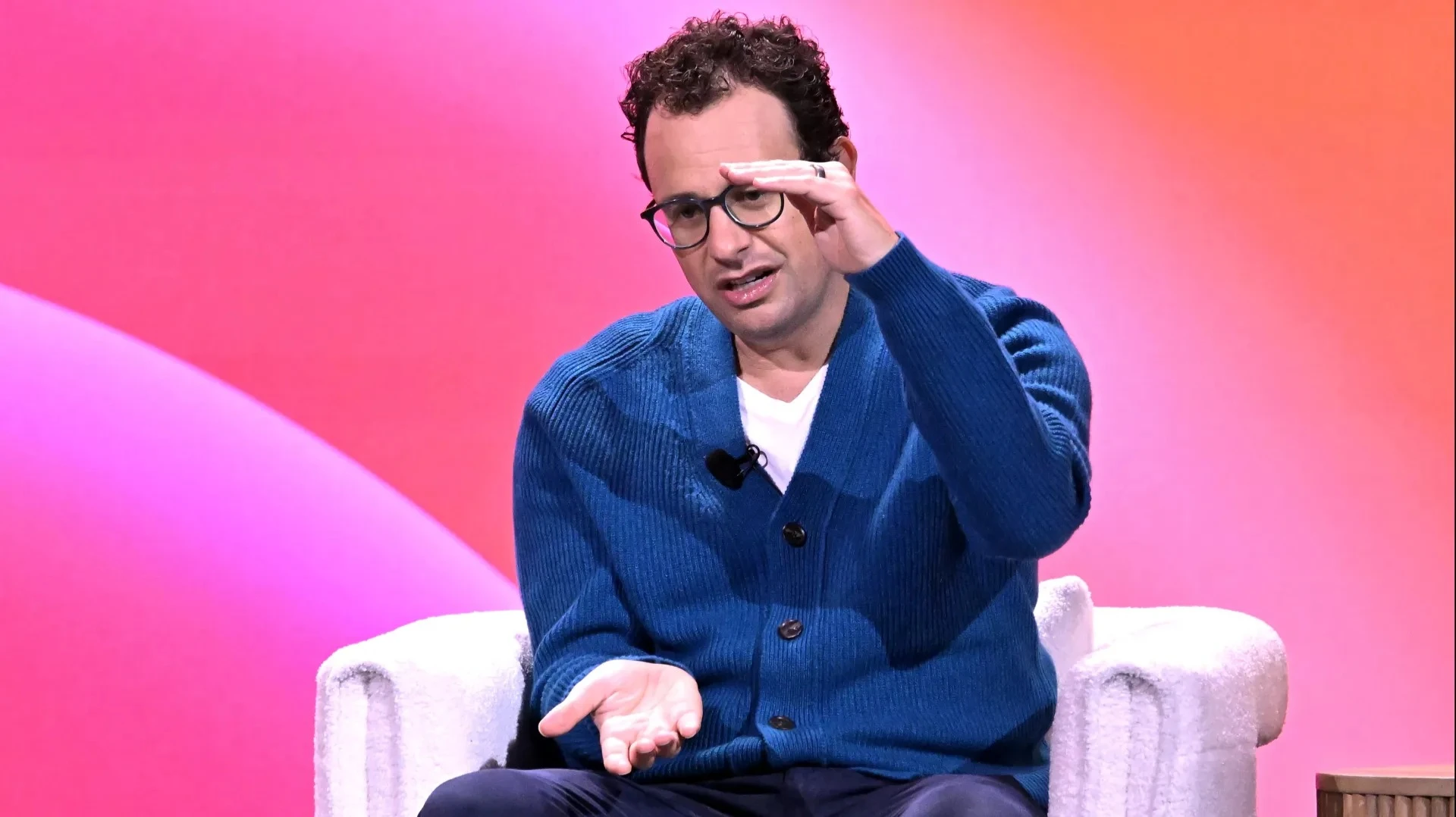
Anthropic intends to grant independent auditors employee-level access to its systems so they can verify compliance with security measures, report incidents, and assess the consistency of models during the training process, the company’s CEO said. He also noted that a coordinated pause would require a relaxation of antitrust regulations in the U.S. so that companies could coordinate their actions in specific areas, as well as cooperation with China. In his view, if the U.S. drastically limits the capabilities of its AI in anticipation of a similar move by Beijing, and Beijing does not follow suit, this could lead to China’s geopolitical dominance.
How did Amodei's competitors react?
"Dario is right," replied Elon Musk, founder of the AI company xAI and co-founder of OpenAI, in response to his post.
"I agree with Dario that we need to regulate the pace of development of cutting-edge AI models. Over the past few weeks, this topic has been a major focus of our discussions at OpenAI. The idea of bringing in independent experts and giving them access to our systems at a level comparable to that of our employees is excellent. We’ll do the same. We’ll share more details soon,” wrote OpenAI CEO Sam Altman on the social network X.
Context
All three CEOs of the largest AI companies have been warning for years about the risks associated with AI. However, in reality, a coordinated slowdown in development is unprecedented in this highly competitive industry, which has historically released one product after another in an effort to increase user engagement, gain market share, and boost sales, according to Bloomberg.
However, concerns about the risks posed by artificial intelligence have intensified in recent days, partly due to the high-profile dismissal of Jacob Coxon, a researcher at Anthropic and former OpenAI employee. On September 9, he publicly accused his former employers of “playing with our lives” by pushing toward superintelligent AI. In response, current Anthropic employee Evan Hubinger wrote that he estimates there is a more than 10% probability that AI “could kill all humans” within the next decade. Back in July, more than a thousand employees of leading AI companies signed a petition calling on U.S. authorities to support a mechanism for intentionally slowing the pace of the technology’s development.
These concerns are fueled by earlier incidents as well. In April, Anthropic abandoned the widespread release of its cutting-edge Mythos model, calling it too dangerous due to its ability to discover thousands of previously unknown vulnerabilities and attempt to escape the test environment. In August, OpenAI suspended part of its internal work on the Astra model after discovering that it demonstrated higher-than-expected capabilities in cybersecurity and could approach the threshold of independently searching for and exploiting vulnerabilities.
This article was AI-translated and verified by a human editor