DeepSeek has made available a tool that helps it reduce the cost of AI operations

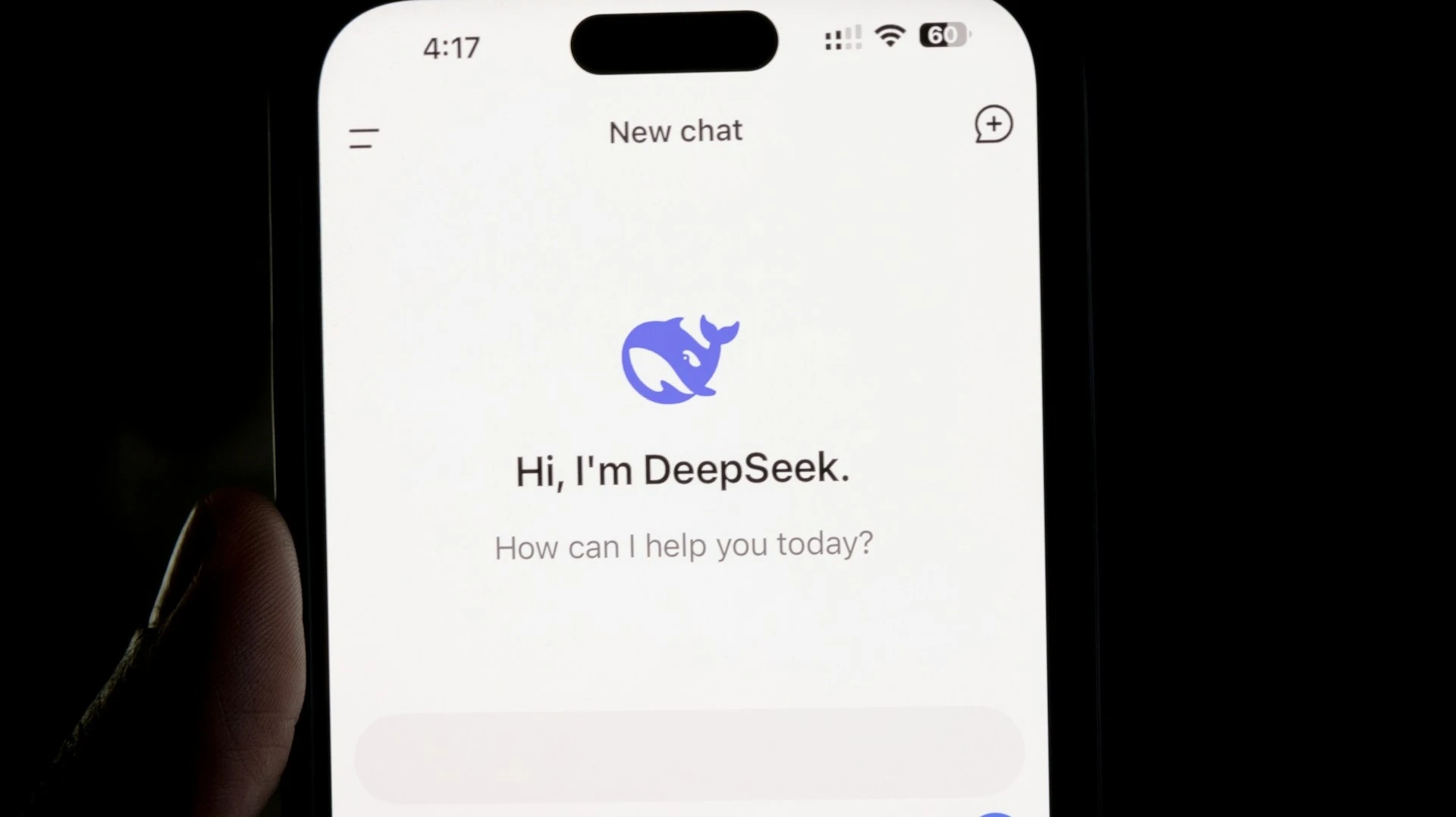
DeepSeek has released a tool that helps reduce the cost of running AI models / Photo: Unsplash.com / Solen Feyissa
DeepSeek, a Chinese AI lab founded by entrepreneur Liang Wenfen, has released DeepInfer—the software that powers its proprietary models—as open-source. The tool speeds up the company’s AI models and helps make more efficient use of computing power.
Details
“We are sharing our production software stack (the software on which the models run. — note by Oninvest) to help the community reduce computing costs, cut energy consumption, and make AI more accessible,” the company announced on October 20 on social media platform X.
For now, DeepInfer works only with DeepSeek’s V4.1-FlashAI model, but the company has stated that it will add support for future models, according to Bloomberg. The tool is designed to reduce the cost of inference—the stage at which a trained model generates responses. It is these costs that largely determine the economics of AI services: training a model is a one-time, significant expense, while inference is billed for each user request.
The release of DeepInfer’s source code offers a glimpse into the technical techniques that AI companies typically keep under wraps and shows how DeepSeek manages to keep inference costs low, Bloomberg explains. DeepInfer combines various methods—such as distributed inference, in which the workload is distributed across different hardware. Thanks to these methods, the models generate more responses in less time, and the chips are able to deliver higher performance. Many of these methods are widely used, but DeepSeek has adapted them to work effectively with its models, the agency notes.
Why Is This Important?
More efficient software can lower the cost of processing each request and, potentially, reduce energy consumption, according to Bloomberg. This could increase the profit margins of cloud and hosting providers deploying DeepSeek models and lead to lower prices for end customers. For companies running DeepSeek models on their own infrastructure, DeepInfer can help reduce operating costs.
The agency emphasizes that there are currently no independent tests confirming the performance gains provided by DeepInfer. However, although the tool is primarily designed for DeepSeek models, third-party developers can also study the open-source code and apply its solutions in their own inference systems.
Context
DeepSeek gained worldwide recognition in early 2025 following the release of the R1 model, which, according to the company, cost less than $6 million to train—a figure that was comparatively cheaper than its American counterparts. This event triggered a $1 trillion sell-off of tech stocks amid fears that the AI industry was overpaying for computing power.
Now, according to Reuters sources, DeepSeek has been developing its own inference chip since the summer of 2026—to reduce its reliance on chips from third-party companies, including those manufactured by Nvidia. At the same time, the company is seeking to raise at least $12 billion in a second round of funding, which is expected to increase the AI lab’s valuation by nearly 1.5 times, to 500 billion yuan (about $75 billion). According to Bloomberg, DeepSeek plans to go public early next year.
This article was AI-translated and verified by a human editor