Denmark's Maersk raised its profit forecast for the second time this year. Its shares surged
The company is benefiting from the rise in container shipping costs, but is also calling for a reduction in tensions

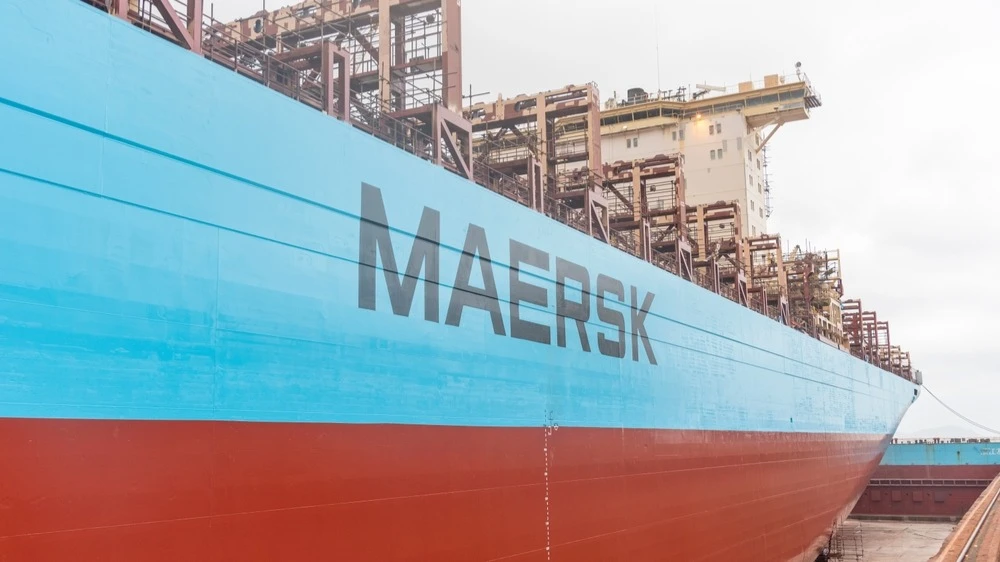
Maersk shares rose on the back of an upward revision to its profit forecast / Photo: Mariusz Bugno / Shutterstock
Danish shipping giant Maersk, which is widely regarded as a barometer of global trade, raised its 2026 profit forecast for the second time this year on August 13, despite the fact that trade flows have been partially disrupted due to the situation around the Strait of Hormuz and Houthi attacks in the Red Sea, according to CNBC. The company’s shares rose nearly 9% during trading in Denmark on August 13.
Details
The world’s second-largest container shipping company expects EBITDA (earnings before interest, taxes, depreciation, and amortization) for the current year to range from $10.5 billion to $12.5 billion. This is the second time the forecast has been revised upward in less than two months. At the end of June, the company raised its forecast to $8–10 billion, although it had previously expected only $4.5–7 billion. Operating profit (EBIT), according to Maersk’s updated estimates, will range from $4.5 billion to $6.5 billion—up from the June forecast of $2–4 billion.
In the second quarter, Maersk’s EBITDA rose by more than 30%—to nearly $3 billion. The figure was about half again higher than the consensus estimate of $2.04 billion from analysts surveyed by LSEG, according to CNBC.
Maersk reported that the global maritime container shipping market is expected to grow by approximately 4% in 2026, despite geopolitical turmoil. Demand in the second quarter exceeded expectations: growth in other regions offset a 40% drop in imports to the Middle East, with exports from China serving as the main driver, Reuters notes.
"This stability may continue into the third quarter, as exports from China show no signs of slowing. However, the unresolved conflict in the Middle East still calls for caution," Maersk said.
Maersk CEO Vincent Clerk told CNBC that the company is currently facing logistical bottlenecks not at sea but on land around the world, which is causing traffic jams and leading to higher freight rates.
What Analysts Are Saying
“Maersk benefited from a sharp rise in freight rates, trade disruptions, and increased export volumes from China, while the company was able to pass on its higher fuel costs to customers,” said Jyske Bank analyst Haider Anjum. His comments were reported by Reuters.
Some analysts warn that the recent strengthening of the freight market is a short-term tailwind, masking larger risks in the future, and that any normalization of traffic through the Red Sea will put significant downward pressure on freight rates, the agency reports.
Most shipping companies have stopped using the Asia-Europe trade corridor through the Suez Canal following Houthi attacks in the Red Sea, although in recent months Maersk and its German competitor Hapag-Lloyd have announced a gradual return, Reuters reports.
Most analysts tracking Maersk shares recommend selling them: the stock has a total of 14 “Sell” and “Underweight” ratings, according to FactSet data. Another ten analysts recommend holding the stock (Hold), while only two recommend buying it (Buy).
This article was AI-translated and verified by a human editor