"Dirty" Euros: How the Launch of a Digital European Currency Will Affect Russians

Experts warn that banking compliance will become stricter with the introduction of the digital euro / Photo: Nikolass Elena / Unsplash.com
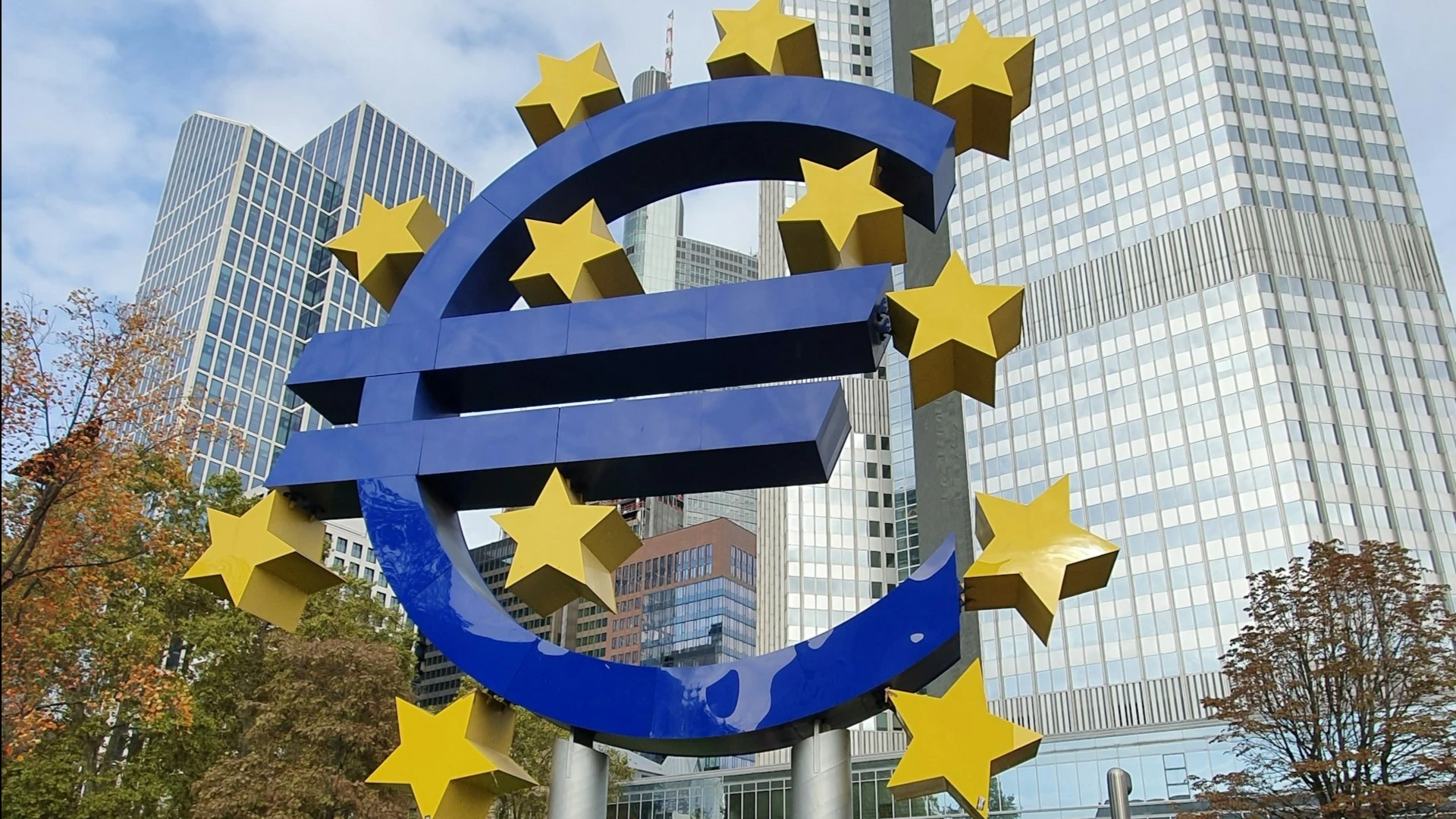
In early July, the European Parliament will begin discussions on the digital euro bill with the Council of the EU and the European Commission. This is the long-awaited and final legislative stage before the digital currency is introduced in Europe. The digital euro is scheduled to launch in 2027 in a pilot phase, with a full-scale rollout planned for 2029. For Russians—both those living in Europe and those with ties to the EU—its introduction carries risks: it could turn money with a Russian connection into “dirty” euros.
What Is the Digital Euro and How Does It Work?
On June 23, 2026, the European Parliament’s Committee on Economic and Monetary Affairs approved the draft legislation on the digital euro—43 votes in favor, 14 against. Now, during its July session, the European Parliament will discuss the bill with the Council of the EU and the European Commission.
For a long time, the bill remained stalled—there was no political will within the EU to pass it, as an aide to a German Member of the European Parliament, speaking on condition of anonymity, previously told Oninvest. The European Commission presented a proposal for a digital European currency on June 28, 2023.
The digital euro is just like a regular euro, except it’s held in the user’s digital wallet rather than in a bank account. The ECB refers to it as the “electronic equivalent of cash.” It can be used to make payments both online and offline, via an NFC-enabled smartphone or a card. Its key feature lies in its architecture. Essentially, the ECB issues it for each specific transaction, and then that amount is debited from the person’s or company’s regular bank account.
Access to the digital euro will be available in the same way as access to a regular bank account. When paying with the digital euro offline, the payer’s personal data will be known only to the payer and the recipient—essentially, this is the same level of privacy as when paying with cash. For online payments, there will be no complete anonymity, but access to personal data will be limited to what is necessary to comply with anti-money laundering laws. Anti-money laundering checks will be conducted by payment service providers (PSPs)—banks and local payment systems—when funds are deposited or withdrawn.
Everything is just getting stricter
At first glance, the digital euro is just another payment tool for Russians living in Europe or with ties to the continent. But the same rules will apply to it as to a regular bank account, explains independent financial advisor Natalya Smirnova: you cannot open an account without a residence permit, permanent residence status, or a passport from the EU, EEA, or Switzerland. And even with the necessary documents, banks may refuse to open an account in certain cases. So the introduction of the digital euro should definitely not be viewed as the emergence of a new, convenient way to transfer money to or from Russia, Smirnova concludes.
Starting this year, Russian citizens, companies with Russian founders, and, in general, any transactions with a Russian connection are facing stricter scrutiny—after the EU officially added Russia to its money laundering blacklist in January of this year, placing it on par with North Korea and Iran.
A wave of account freezes targeting Russians took place as early as this spring, particularly in Germany, says Ivan Tikhonenok, head of the banking practice at Amond & Smith. Sparkasse—long considered the most accommodating bank for Russians—closed accounts, including that of a German company with a 20-year history whose beneficiary holds “permanent” residency but has retained Russian citizenship, he added.
The digital euro will only exacerbate the already serious compliance challenges, Tikhonenok warns. On the one hand, the personal data of the payer and payee will not be disclosed to all participants in the system when settling transactions in the digital euro. On the other hand, however, transactions in digital currency inherently imply maximum transparency of the entire money trail and the recording of all participants in previous transactions involving that currency. The use of the digital euro will make not only the current transaction but also the entire preceding chain completely transparent, the expert says.
If one of the senders is directly or indirectly linked to Russia, that euro could theoretically be considered “dirty,” says Tikhononenko— by analogy with “dirty” yuan, which Chinese banks refused to accept after it had passed through Russian banks.
The expert explains: all it takes is a Russian IP address, an intermediary bank in Central Asia or the South Caucasus, or a customer’s physical address linked to Russia—and the money, no matter how “clean” (from an official source, with taxes paid, etc.), it comes under suspicion.
Russian Trail
For companies, the situation may be even more complicated.
For Russian companies, paying for something in Europe or receiving payment from Europe is practically “Mission: Impossible”—they certainly won’t be granted access to the digital euro.

European companies with a Russian beneficiary or partners from Russia find themselves in a gray area. According to Tikhonenko, “the Russian connection is becoming the prevailing factor”: previously, banks analyzed the source of funds and whether transactions were consistent with the nature of the business, but now the mere fact of a connection to Russia is sufficient.
This approach is linked to the adoption of the 19th package of EU sanctions in October 2025: In particular, it prohibited European banks from acquiring and conducting transactions involving e-money and cryptocurrency for Russian citizens, as well as for companies affiliated with the Russian Federation.
After this sanctions package took effect, Russian citizens began to face more frequent refusals when opening accounts, freezes on existing accounts, and requests to confirm their residency.
The digital euro, by recording the entire history of fund transfers, will follow the same logic and only reinforce it—but this time at the level of the entire Eurosystem infrastructure. This infrastructure includes the ECB itself and the central banks of the eurozone member states.
“I would describe the general trend among European banks regarding accounts held by individuals who retain Russian citizenship as increasingly negative, and I would consider opening accounts in more friendly jurisdictions,” says Ivan Tikhononenko of Oninvest.
Although there are still a number of options for direct payments between Europeans and Russians for certain goods—such as pharmaceuticals or medical supplies—the sustainability of these models is increasingly in question, he adds.
This article was AI-translated and verified by a human editor