ECB kept interest rates unchanged for the fifth time in a row

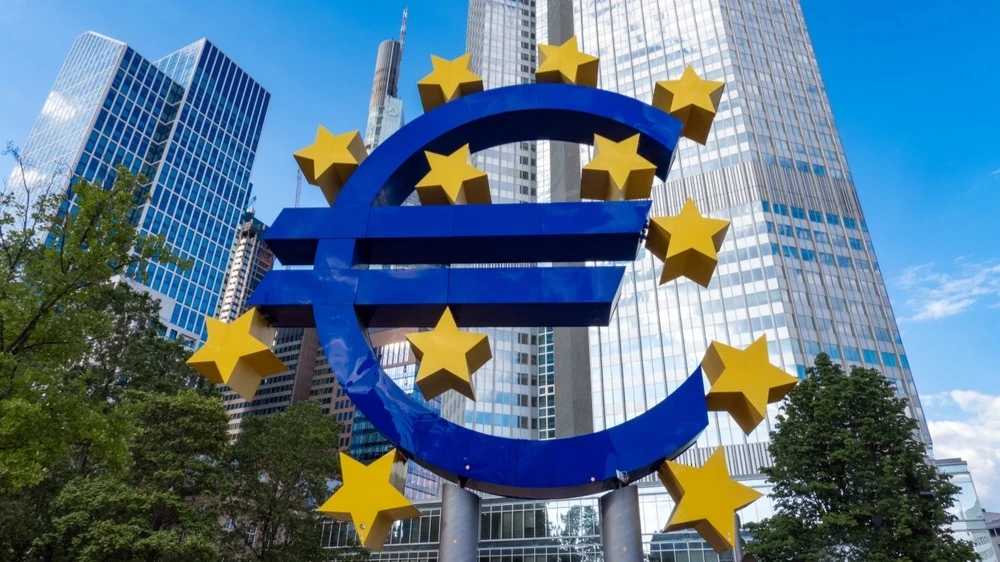
Photo: Byjeng / Shutterstock
The European Central Bank (ECB) kept interest rates unchanged - this is the fifth time in a row that the regulator has made such a decision. On February 5, this happened against the background of European officials' assessments of the economic consequences of the euro appreciation and renewed unpredictability in trade relations, Bloomberg writes.
Details
The deposit rate in the eurozone remained at 2% - as predicted by economists surveyed by Bloomberg. The base interest rate - at the level of 2.15%, the rate on marginal loans - at the level of 2.4%.
The ECB did not give any clarification on future steps, confirming only that decision-making will depend on incoming data, the agency points out. "The [euro area] economy remains resilient in a challenging global environment," the ECB said in a release. - At the same time, the outlook remains uncertain, in particular due to ongoing uncertainties in global trade policy and geopolitical tensions."
Eurozone inflation fell below 2% last month and is expected to remain below that level for the next two years, Barron's points out.
Context
Earlier on February 5, the Bank of England also said it would keep the interest rate at 3.75%. Five members of the Bank's Monetary Policy Committee voted in favor of keeping the rate at the same level, another four - supported its reduction by a quarter of a percentage point.
The moves by the ECB and Bank of England came a week after rates at the same level, 3.5-3.75% - after three consecutive quarter percentage point cuts - were also kept unchanged by the U.S. Federal Reserve.
And while the ECB believes the eurozone is in a "good position", the euro has already strengthened against the US dollar this year amid a so-called "sell American" strategy in the markets, Barron's notes. This, the publication points out, could signal a possible further decline in inflation as a weaker US dollar "makes imports cheaper and exports less competitive" - all against the backdrop of US President Donald Trump's sweeping tariffs, which are already having an impact on global trade.
"The risk in 2026 was always skewed towards further monetary easing, given the expected underperformance of the inflation target," said Deutsche Bank's chief European economist Mark Wall (quoted in Barron's). "Recent developments such as the strengthening of the euro underscore this risk," he added. - But the case for further monetary easing has not yet been proven."
What's in the markets
Britain's flagship FTSE 100 stock index fell 0.79% in trading on February 5, it has added 2.85% over the past month, MarketWatch data show. Europe's broad Stoxx 600 index of European shares meanwhile fell 1.24% on Thursday, over the past month it is in the plus side by 1.19%. The U.S. S&P 500 meanwhile lost 0.55% over the past month. At the close of trading on February 4, it fell by 0.5%.
This article was AI-translated and verified by a human editor