Emirates has come up with a way to bring tourists back to Dubai. What does it offer?

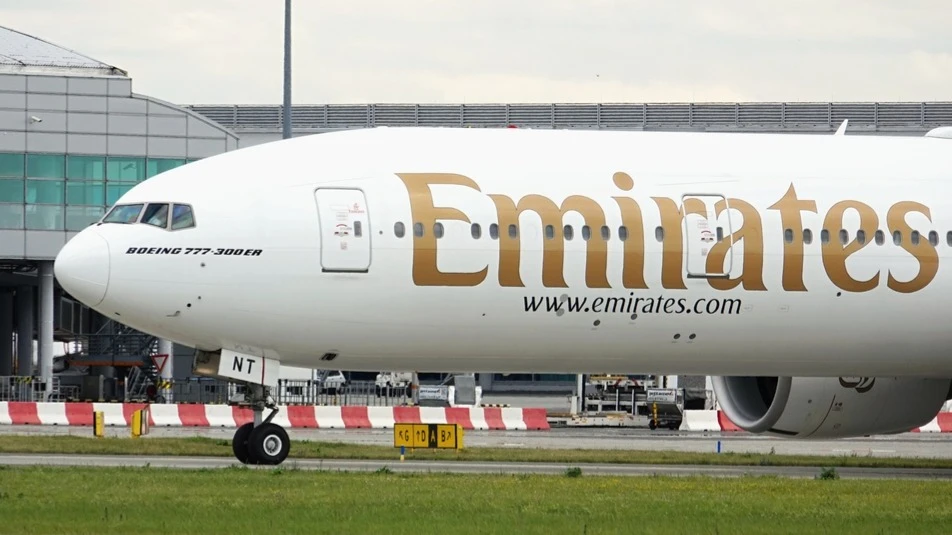
Emirates will offer insurance to bring passengers back to Dubai / Photo: Petr Podrouzek / Shutterstock
Emirates airline will offer special insurance to its passengers to persuade them to fly to Dubai or transit through this air hub. The carrier has taken such a step despite the fact that the governments of a number of countries officially advise citizens to refrain from traveling to the Middle East region due to security risks, The Financial Times (FT) reports.
Details
Emirates is ready to guarantee to transport people back to their countries of origin - if necessary, using flights of other, including competing airlines. In this way, Emirates hopes to allay travelers' main fears of being cut off from the world and stranded abroad in the event of a new round of escalation, the airline's president Tim Clark told the FT.
More than three months after the war in the Middle East began, a number of countries still discourage flights to the region, making it impossible for travelers to get insurance to travel to or transit through the Gulf.
Clark added that the airline is working with insurance firms to launch its own product at a "reasonable price" to assure passengers: the airline will "get them back whether it's Emirates flights or not."
"I think one of the main concerns people have is that they might get stuck overseas and not be able to come back," Clark noted.
Context
About 40,000 people transit through Dubai airport every day, the Financial Times writes. This figure is down from traffic at around 100,000 people per day before the conflict in the Middle East began. However, according to Emirates' president, the figure is now "growing rapidly" despite the lack of a final agreement between the US and Iran.
Passenger returns on Emirates airline flights are coming in faster than expected. The airline made a small profit last week after restoring around 80% of its pre-war flights, the FT reports. Last week's profit was "not planned at all", Emirates' president added. The airline, he said, is "well ahead" of its "terrible loss forecast" for the first quarter, which runs through the end of June. The carrier's break-even for the current fiscal year (ending March 31, 2027) will be a "normal" outcome as long as the company manages to maintain positive cash flow, Clark said.
On June 11, it was reported that senior national security officials from the United Arab Emirates (UAE) and Iran - for the first time since the start of the war in the Middle East - held a face-to-face meeting, Bloomberg sources revealed. The meeting, they said, marked a sharp turnaround in the two sides' relations and came amid their growing recognition of the importance of calmer bilateral ties.
Since the beginning of the war in the Middle East, the UAE has suffered the highest number of Iranian attacks compared to other countries in the region. In response, Abu Dhabi has been launching counterattacks. Now, however, the Emirates appear to be changing strategy and going the way of Qatar and Saudi Arabia. These states, also affected by Tehran's actions, rely on diplomatic tools to ease geopolitical tensions, Bloomberg notes.
This article was AI-translated and verified by a human editor