"Bans Won't Help": Zuckerberg Urged the U.S. Not to Block Chinese Neural Networks
In an interview with the FT, Meta's CEO warned the White House against allowing U.S. AI giants to monopolize the market

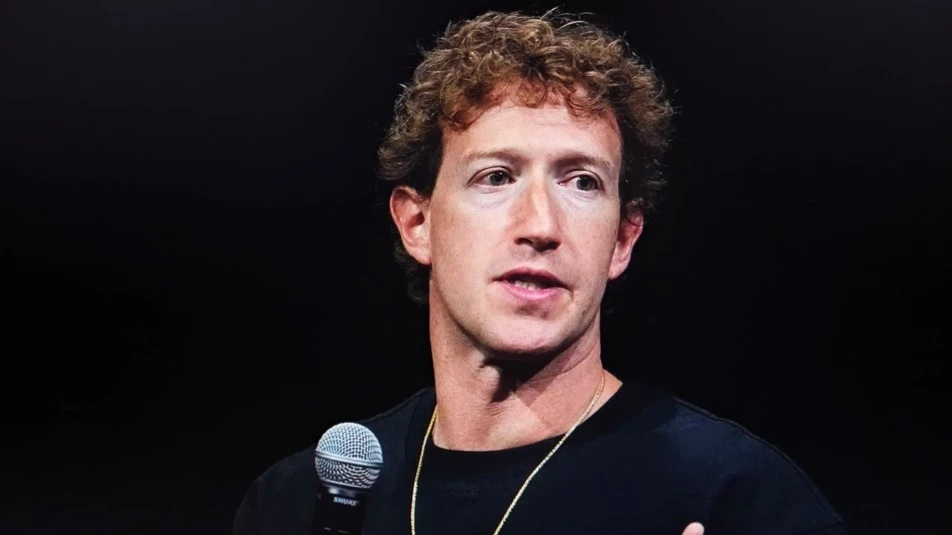
Blocking Chinese neural networks won't help the U.S. win the technology race. Photo: FotoField/Shutterstock
Blocking Chinese neural networks will not help the U.S. win the technology race, but will only lead to “regulatory capture” of the market and stifle competition, Meta founder Mark Zuckerberg said in an interview with the Financial Times (FT).
Details
Zuckerberg is convinced that bans and sanctions against Chinese laboratories will not be an “effective solution.” American developers need to “systematically” identify their own problem areas and obstacles in order to better compete with Beijing in the AI race, which both countries consider crucial to national security and prosperity, the FT reports.
Zuckerberg warned of the risk that artificial intelligence could end up being “centralized” in the hands of a few influential groups. These remarks appeared to be a direct jab at competitors—Anthropic and OpenAI—which currently dominate the chatbot market thanks to their proprietary “closed” AI models, the FT notes.
Zuckerberg also weighed in on the discussions between U.S. authorities and key artificial intelligence developers regarding regulations for the industry. According to the head of Meta, independent review and pre-screening of models could benefit the market if entrusted to independent experts. However, there is a high likelihood of so-called “regulatory capture”—a situation in which market giants shape the rules of the game to suit their own interests.
“The issue of regulatory capture always arises when expert evaluations are conducted by companies with their own commercial interests. Do leading laboratories have a stake in the success of open-source products? I think there have been mixed signals on this point,” Zuckerberg emphasized.
The Meta CEO also addressed cybersecurity issues. He is convinced that blocking powerful AI systems will not protect against digital threats, since it is precisely these technologies that help identify and close security gaps in a timely manner.
Context
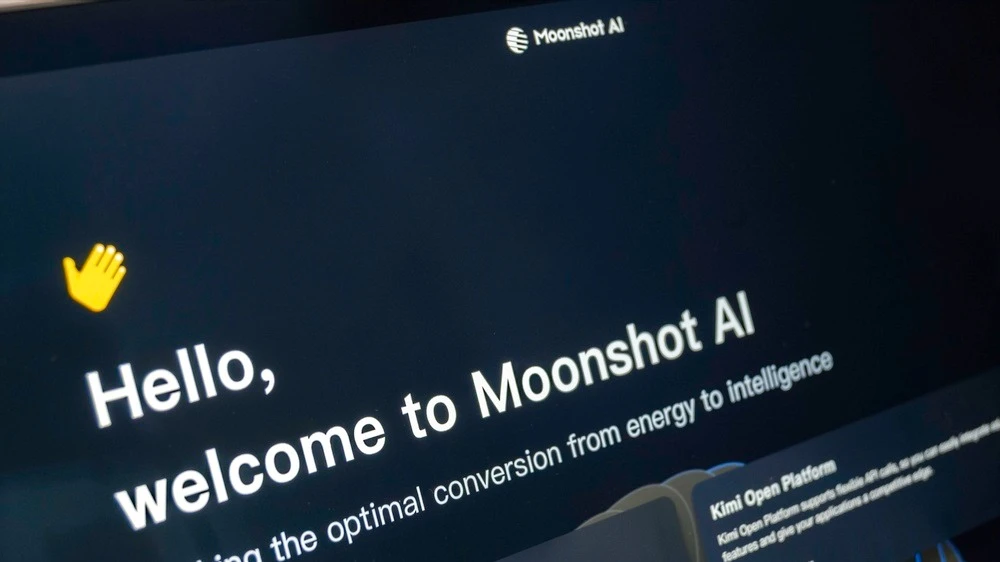
Debate over Chinese developments has intensified after Beijing-based Moonshot AI released the Kimi K3 model, which, in terms of capabilities, has come very close to the flagship solutions from OpenAI and Anthropic, according to the FT
The Trump administration claims to have evidence that a Chinese company secretly trained its model using American research. Treasury Secretary Scott Bessent stated last week that the U.S. is prepared to impose sanctions on Chinese laboratories that “cross the line and steal intellectual property.”
This week, the White House is expected to unveil a voluntary AI testing program: developers will be invited to submit their tools for review prior to official release. The U.S. government was prompted to create this system by events in June, when the White House had to restrict access to Anthropic’s cutting-edge neural network due to concerns about the global financial system: the model was too successful at finding vulnerabilities in cybersecurity. At the same time, OpenAI and Anthropic themselves maintain that they oppose strict restrictions on open AI systems.
This article was AI-translated and verified by a human editor