Entry Permit for Kazakhstan: How Much It Costs and When It Will Be Required

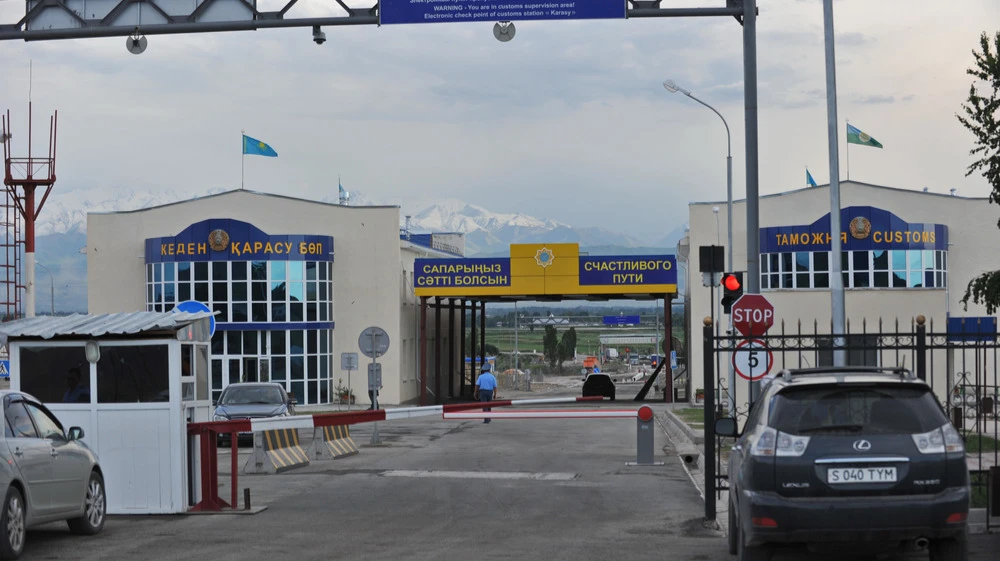
The issue of not having an entry permit can be resolved right at the border. Photo: Vladimir Tretyakov/Shutterstock
The fee for a permit to enter Kazakhstan will be approximately 3,900 tenge (about 8 euros)—provided the application is submitted no later than 72 hours before arrival at the border. If the fee is paid directly at the border, it will be 7,600 tenge (about 16 euros). This information—along with other details regarding the introduction of the new paid entry system to Kazakhstan—was unexpectedly published on the official website of the Serbian Ministry of Foreign Affairs in the “Visas and Travel Advice” section. Kazakhstan and Serbia have a visa-free regime in place.
Lawyers from the Telegram channel “Let’s Go to Kazakhstan” were the first to take notice of this information.
The decision to introduce an electronic entry permit (ETA) for Kazakhstan for citizens of countries with which a visa-free entry regime is in place has already been adopted as part of the new version of the Law “On Population Migration,” which took effect on August 25 (Article 1, Subparagraph 10-3). Previously, the Ministry of Internal Affairs of the Republic of Kazakhstan reported that these permits would be phased in from August through December 2026. Since the resolution was published on the “Open Legislative Acts” website in early August, no official information has been provided regarding either the implementation stages or the cost of the permit.
"On August 25, 2026, Kazakhstan began implementing new immigration legislation that introduces a mandatory electronic entry permit issued through the QazETA digital platform. This requirement is being phased in over five clearly defined stages, scheduled for the period from August through December 2026. At each stage, new requirements are being introduced for various types of border crossings and carriers,” according to the Serbian Ministry of Foreign Affairs’ website.
According to information on the website, from August 25 through November 1, the system will operate in test mode: the absence of an ETA will not result in a denial of entry, but foreign nationals will be warned that they will not be allowed in next time if they do not have one.
Starting November 1, the permit will be required for entry into Kazakhstan via airports. “A key feature of this phase is that airlines will be instructed not to allow passengers without a valid electronic permit to board.” In practice, this means that entering Kazakhstan by air without a QazETA will be impossible, as passengers will not be allowed to board a flight to the country. This measure will apply to all international airports in Kazakhstan, including the main airports in Astana, Almaty, and Aktau,” the website states.
Starting November 15, a permit will be required to enter the EAEU by car through its external land borders, including those with China, Turkmenistan, and other neighboring countries outside the Union.
Furthermore, starting November 30, a similar ban will take effect at internal land borders with EAEU member states (the union includes Russia, Belarus, Armenia, and Kyrgyzstan). “A key feature of this phase is that it will apply to border crossings with countries with which Kazakhstan shares a border within the same economic bloc. This step is particularly important, as these crossings are among the busiest and form the backbone of land transportation in the region.”
Finally, starting December 15, the requirement will be extended to railways and ports. This requirement will apply to all railroad crossings, including those used by international passenger trains, as well as to all seaports and terminals on the Caspian Sea. “This will complete the establishment of the system, and as of that date, an electronic permit will be required to enter Kazakhstan regardless of the mode of transportation,” according to the Serbian Ministry of Foreign Affairs’ website.
The permit will be valid for 180 days—during which time the holder may stay in Kazakhstan for no more than 90 days.
Oninvest sent a request to the Serbian Ministry of Foreign Affairs asking it to disclose the source of the information it had published, as well as to the Kazakh Ministry of Internal Affairs—and had not received a response as of the time of publication.
This article was AI-translated and verified by a human editor