Rocket Lab's stock fell 16%: its attempt to take market share from SpaceX has been delayed
The company has postponed the first launch of its heavier Neutron rocket to 2027

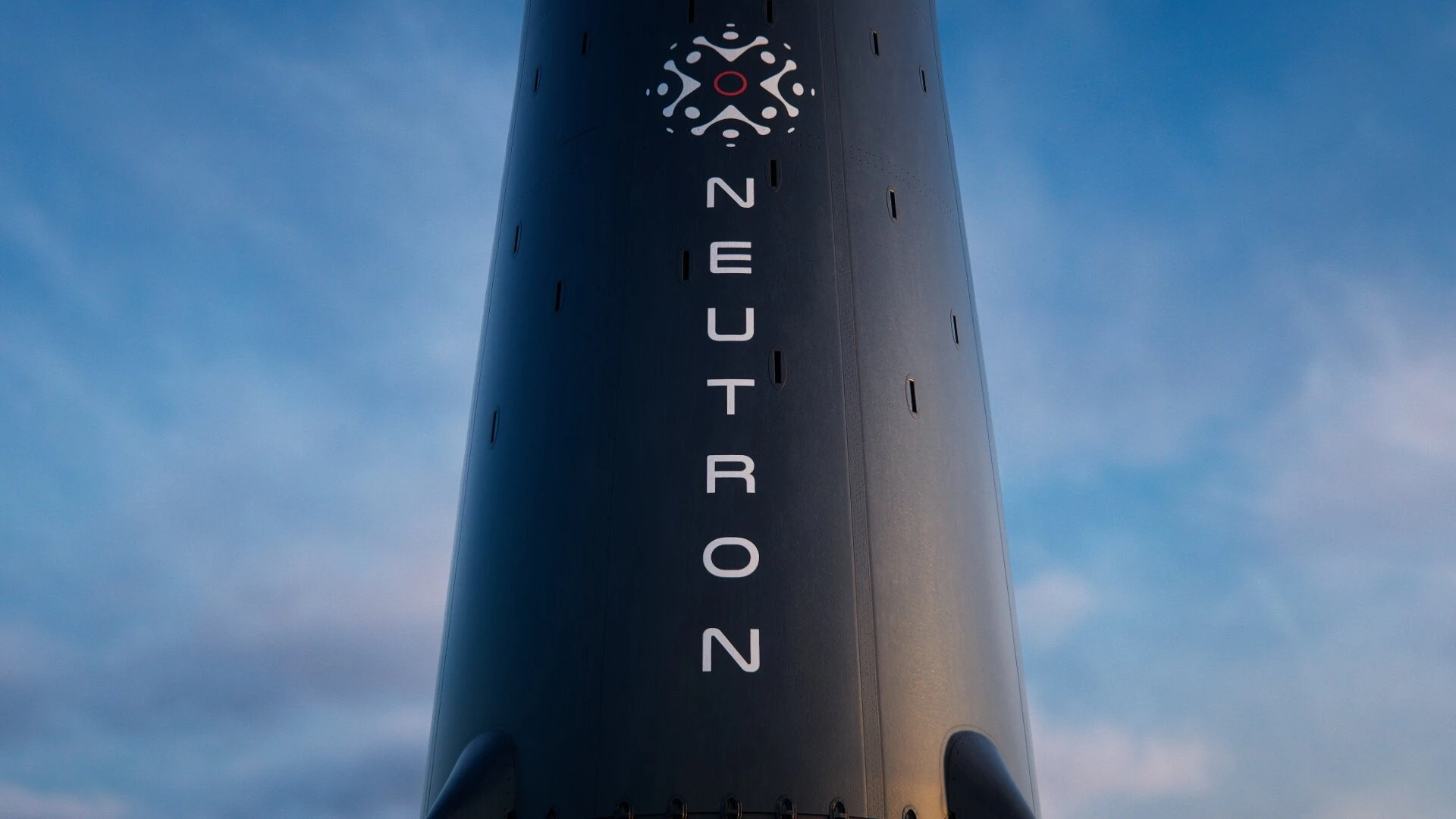
The postponement of the Neutron rocket launch to 2027 sent Rocket Lab's stock tumbling / Photo: X.com / RocketLab
Shares of the space company Rocket Lab plummeted 16% during trading on October 15—after the company postponed the first launch of its highly anticipated, larger Neutron rocket to 2027. This disappointed investors, who had been counting on a launch in the fourth quarter of 2026. The delay could affect the company’s revenue forecasts: Neutron could have opened the door to larger commercial contracts, allowing Rocket Lab to take market share away from SpaceX, according to Barron’s and Yahoo Finance.
Details
At their low on Thursday, Rocket Lab shares were down 16% and fell to $49.69. Half an hour before the market closed, however, the shares were falling more slowly—by 7%. The day before, the company’s shares had lost 7.9%.
The drop in stock prices was triggered by Rocket Lab’s announcement that the first Neutron launch is now expected in 2027 instead of 2026. This rocket significantly exceeds the payload capacity of the Electron, which the company currently uses. While the Electron can carry only about 320 kg of payload into space, the Neutron will be able to deliver about 13,000 kg to low Earth orbit. By comparison, the payload capacity of Elon Musk’s SpaceX Falcon 9 in that orbit is about 23,000 kg, notes Barron’s.
A larger rocket will allow Rocket Lab to compete for additional launch contracts. Neutron is key to Rocket Lab’s efforts to compete for larger missions in a market currently dominated by SpaceX, according to Yahoo Finance. Therefore, the delay could affect financial forecasts, Barron’s added. Wall Street analysts currently expect Rocket Lab’s revenue in 2027 to reach $1.4 billion, compared with approximately $960 million in 2026, the publication reports. By comparison, SpaceX’s revenue from rocket launch services in 2026 is expected to reach $4.5 billion.
“We remain confident in Rocket Lab’s ability to get Neutron to the launch pad, and we believe that after the first successful launch, the rocket will significantly improve the company’s unit economics,” said Cantor Fitzgerald analyst Andrés Sheppard in a report for Barron’s. According to him, demand for rocket launch services remains high. Sheppard maintains a “Buy” rating on Rocket Lab shares and a price target of $122. This is more than double the closing price on Wednesday, October 14.
Context
The Neutron development schedule has been pushed back more than once: The company unveiled the rocket in 2021 and promised a first launch in 2024, then pushed that date back to mid-2025, and later to 2026, according to Yahoo Finance.
In May, Rocket Lab’s stock rose to a record high of $151. This occurred shortly before SpaceX’s IPO: in the run-up to Elon Musk’s company going public, shares of many companies in the space industry rose, but they began to fall after the offering. At the time of SpaceX’s IPO, Rocket Lab’s price-to-sales ratio—the ratio of the company’s market value to its expected revenue over the next 12 months—was around 80. That figure has now fallen to 27, according to Barron’s.
A lower valuation could make the stock more attractive to investors, but it is still too early to tell whether the current level is a good entry point, Barron’s writes. In any case, Rocket Lab will need a successful Neutron launch for its business to continue growing, the publication believes.
The most common analyst recommendation for Rocket Lab stock is “Buy”: the stock has a total of 21 “Buy” and “Overweight” ratings versus four “Hold” ratings, according to MarketWatch. The average price target of $105.5 is 78% higher than the closing price on October 14.
This article was AI-translated and verified by a human editor