European healthcare stocks have solidified their safe-haven status amid doubts about AI
Steady profit growth and demand for key drugs are making the European healthcare sector a safe haven from the volatility of AI companies' stocks, according to Bloomberg

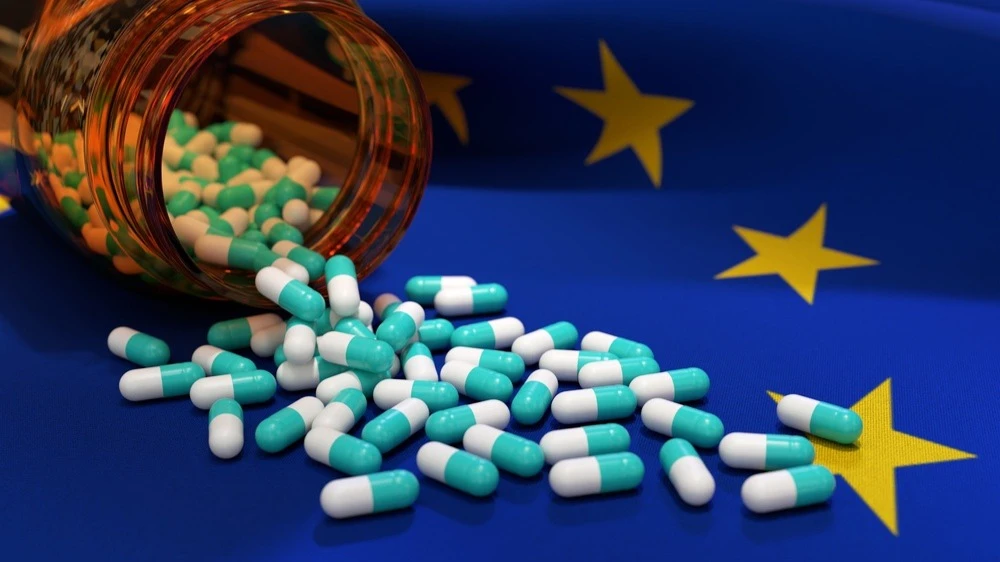
European healthcare companies have exceeded forecasts for the 11th consecutive quarter / Photo: Mahir Asadli / Shutterstock
Against the backdrop of growing uncertainty surrounding investments in artificial intelligence, the “defensive appeal” of European healthcare stocks is on the rise, Bloomberg noted. In the third quarter, companies in this sector posted their strongest earnings growth in two years, the agency notes, emphasizing that their actual results have exceeded expectations for 11 consecutive quarters. As a result, these companies’ earnings per share are also rising, Bloomberg observes.
Details
Earnings per share for companies in the MSCI Europe Health Care Index (which tracks the performance of large- and mid-cap companies in the healthcare sector across 15 developed European countries, including shares of Roche, Novartis, AstraZeneca, Novo Nordisk, GSK, Sanofi) rose 13% in the third quarter—the fastest pace for that period in the last two years—while analysts had expected growth of only 2.4%, according to Bloomberg. More than 71% of companies in the sector exceeded earnings forecasts.
Moreover, the growth was widespread: pharmaceutical companies’ revenue in the third quarter rose 8.4% compared with an expected 7%, while profits for medical equipment manufacturers and healthcare service providers increased by 11% against a forecast of 4.1%, according to data from Bloomberg Intelligence (BI). AstraZeneca’s profits exceeded analysts’ estimates thanks to strong growth in its oncology division, while high demand for biosimilars and services at its hospitals helped Germany’s Fresenius beat expectations. Companies with a significant share of sales in the U.S. also benefited from the strengthening dollar, Bloomberg reports.
France's Sanofi, which generates about half of its revenue in the U.S., has raised its sales and profit forecasts twice amid growing demand for Dupixent, its best-selling drug for treating skin conditions and asthma. The company has also agreed to acquire the U.S. biotech firm Insmed for $41 billion—a deal that could become the largest acquisition in the pharmaceutical industry in three years. The deal is expected to expand Sanofi’s portfolio in the immunology and rare disease segments as Dupixent’s patent protection nears expiration.
What's the secret?
The healthcare sector is largely unaffected by the AI cycle, and investors view it as a way to “take shelter” from volatility, noted Barclays equity strategist Magesh Kumar.
“Investors were selling pharma stocks to buy AI stocks. When many began to look for alternatives to AI, they started to realize that the pharmaceutical sector offers defensive growth—which is exactly what’s needed in a highly volatile market,” said Sutanya Chadda, an equity strategist at UBS.
“This year, we’re seeing nothing but an upward trend. Companies have been raising their forecasts throughout the year,” says BI analyst John Murphy. “This definitely gives investors a little more confidence that the sector truly has defensive qualities.”
Strong sales, cost cuts, and steady demand in the healthcare sector have driven strong results and should continue to support the sector's outlook, according to RBC Wealth Management strategist Thomas McGarity.
What are the prospects?
Over the next 12 months, companies in the index are expected to increase their earnings per share by 5.5%, and in the following 12 months, the growth rate is expected to accelerate again—to 14%, according to data compiled by Bloomberg. According to Bloomberg Intelligence, progress in the development of new drugs should support earnings growth for pharmaceutical companies in the first half of next year.
Novartis expects its experimental multiple sclerosis drug, remibrutinib, to boost annual revenue, while Switzerland’s Roche is banking on developments in multiple sclerosis and oncology, including a new oral breast cancer drug that the company expects could eventually surpass the sales of its former blockbuster, Herceptin.
Pharmaceutical companies are increasingly relying not only on government healthcare funding but also on consumer spending—in particular, weight-loss drugs, wellness, and aesthetic medicine, noted Chadda of UBS, citing GLP-1 drugs, Botox, and fillers. “This will become a very significant, long-term source of revenue for pharmaceutical companies,” she noted. Among the beneficiaries of this trend is Danish pharmaceutical giant Novo Nordisk, which raised its sales and operating profit forecast for 2026 after adjusted sales of its weight-loss drug Wegovy exceeded expectations, the agency reports.
What are the risks?
One of the risks for the pharmaceutical sector at the start of the year was the Trump administration’s efforts to lower drug prices, but this factor had less of an impact on profits than initially feared, notes Bloomberg Intelligence analyst John Murphy. “If we look back exactly 12 months, there were definitely concerns [about this]. But quite a few agreements have been signed with the White House,” he stated, noting that much of the previous rhetoric did not materialize in practice.
This article was AI-translated and verified by a human editor