The Dubai stock market recovered from its war-related losses and was among the region's top performers
Leading Wall Street investment banks are revising their forecasts for the UAE market amid capital inflows and economic stability

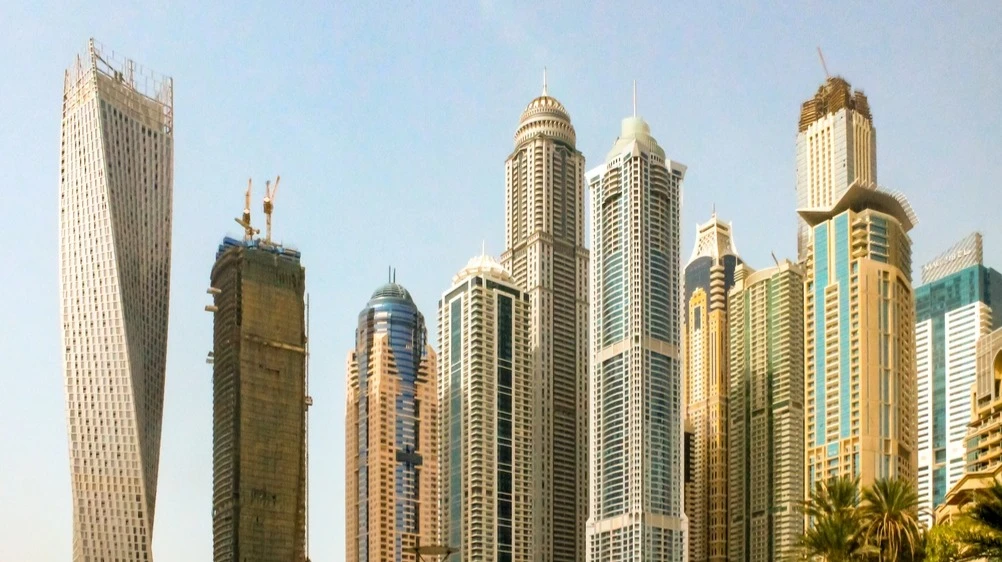
The Dubai stock market recovered from the decline that began when the war between Iran and Israel broke out / Photo: Yana Slavova/Shutterstock
The Dubai stock market has fully recouped all the losses it suffered following the outbreak of the war between the U.S. and Iran and has transformed from a laggard in the Persian Gulf to one of the region’s best-performing markets, according to Bloomberg. In November, the DFM General Index rose by about 14%—its best monthly performance since April 2020. And since the beginning of 2026, Dubai has been second only to Oman in terms of performance among the Persian Gulf markets.
Details
The recovery has prompted Wall Street strategists to reassess their view of the UAE. This month, JPMorgan Chase upgraded the MSCI UAE Index from “neutral” to “overweight” (Overweight), calling the country’s market “undervalued and much more resilient than previously thought.” The bank noted improved corporate earnings forecasts and the return of foreign capital. The MSCI UAE Index, which includes securities traded in Dubai and Abu Dhabi, is valued at 9.4 times estimated earnings—below the 10-year average of over 10. Morgan Stanley also upgraded the UAE’s rating to “outperform,” noting that Dubai’s recovery complements Abu Dhabi’s capital expenditure cycle, according to Bloomberg.
Cantor Fitzgerald analyst Kato Mukuru believes the rally validates his optimistic forecast, which he made even at the height of the conflict. In March, the firm recommended buying shares of UAE banks despite the turmoil, believing that the sell-off presented opportunities for investors willing to look beyond current problems. According to Mukuru, government support and higher-than-expected government spending helped offset the outflow of foreign investment, and residents who had left the country during the conflict have returned. Morgan Stanley points to similar signs of resilience: in October, Dubai’s population was 2.4% above its pre-conflict peak, and rental registrations and traffic are also on the rise. Tourism is still lagging behind, but according to the bank’s analysts, the revival of business activity and relatively low valuations leave room for further growth as tensions ease.
"This conflict is devastating, but I think it has simply been yet another test proving that the model works," said Mukuru.
Context
The war between Iran, the U.S., and Israel, which began in late February 2026, caused the Dubai market to crash: by mid-March, the DFM General Index had fallen 21% from its peak and entered a “bear market.” Real estate developers Emaar Properties and Emaar Development were hit the hardest, with their stock prices falling by a third.
The April ceasefire triggered an 8.5% one-day surge in the index—the largest since December 2014. In the second quarter, the recovery became widespread—34 of the index’s 41 stocks rose, and Dubai had nearly recouped its losses since the start of the year, although it remained well below pre-war levels.
This article was AI-translated and verified by a human editor