"Even the iPhone won't escape this": What is Wall Street saying about Apple's price hikes?
Apple shares had their worst day in more than a year due to rising gadget prices

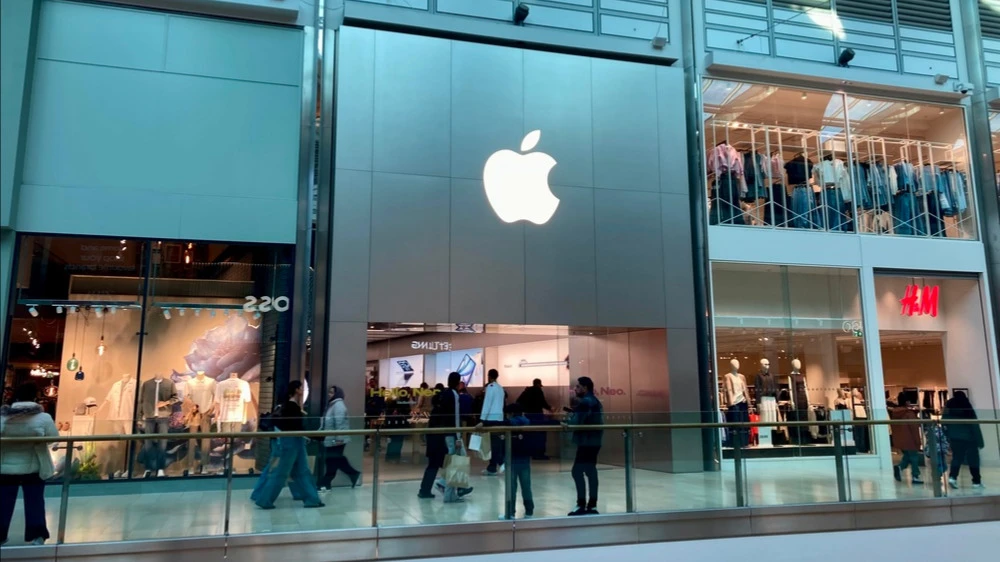
Prices for Apple devices have risen due to higher memory costs / Photo: Steve Travelguide / Shutterstock.com
Apple shares plummeted by more than 6% during trading on June 25: this marked their sharpest one-day decline since April 2025, according to CNBC. This came after the company announced price increases for a number of devices, including Mac computers and iPad tablets, due to rising component costs—primarily memory chips.
This shows that even the world’s most valuable consumer electronics company—with supply chain relationships that are the envy of the entire industry—is not immune to a spike in memory prices that is dampening the sales outlook for smartphones and computers, Reuters reports.
So far, the price hikes have not affected the company's flagship product—the iPhone. But analysts warn that it likely won't be long before they do.
What They're Saying on Wall Street
“The situation in the memory chip market is complex and, by all accounts, will remain structurally complex for the foreseeable future,” Ben Bajarin, CEO of the technology consulting firm Creative Strategies, told Reuters.
— “The iPhone won’t escape this either; a price hike is on the horizon,” Nabila Popal, senior research director at IDC, told Reuters. — “It was a strategically sound move for Apple to announce the price hike ahead of the iPhone’s fall launch, so that the main focus of headlines at the start of sales would be on the value offered by the new phones, rather than the price increases.”
— The rising cost of components could add about $200 to the production cost of each iPhone, according to Tarun Pathak, research director at Counterpoint Research, as reported by CNBC. The expert expects prices to rise by about $150–200 across the entire lineup, with the main increase, in his view, affecting models with larger storage capacities rather than the base models.
— “We expect iPhone prices to rise, likely starting with the Pro models, where demand is less price-sensitive, and a $100 price increase could offset 78% of [Apple’s] rise in component costs,” according to a Bloomberg Intelligence note.
— “While the price increase should help protect gross margins, price hikes between product cycles are extremely unusual for Apple and raise the risk of some pressure on demand for Macs and iPads,” — wrote Evercore ISI analyst Amit Daryanani in a note cited by Barron’s. Maintaining the old iPhone prices for now will help protect demand for the smartphone and avoid hurting overall sales, the analyst believes. However, he notes that the next generation of iPhones, set to be unveiled in September, will likely be more expensive.
— “The company is in a strong position to raise prices without compromising device performance and without the risk of increasing customer churn, given its growing focus on higher-income consumers,” — wrote Wedbush analyst Dan Ives, as quoted by MarketWatch.
— “We are maintaining our ‘underperform’ rating on Apple shares amid uncertain growth prospects, regulatory risks in the services business, an unclear AI strategy, and a high market valuation. We are not changing our forecasts for Apple,” according to a Barclays note released after Apple’s announcement of price increases, CNBC reports.
Context
Apple has raised the price of the MacBook Air with 512 GB of storage from $1,099 to $1,299, and the MacBook Pro with 1 TB of storage from $1,699 to $1,999, according to the updated prices on the company’s website. Other changes include a price increase for the 128 GB iPad Air from $599 to $749. Apple has also raised prices for both versions of the HomePod smart speaker and the Apple TV set-top box.
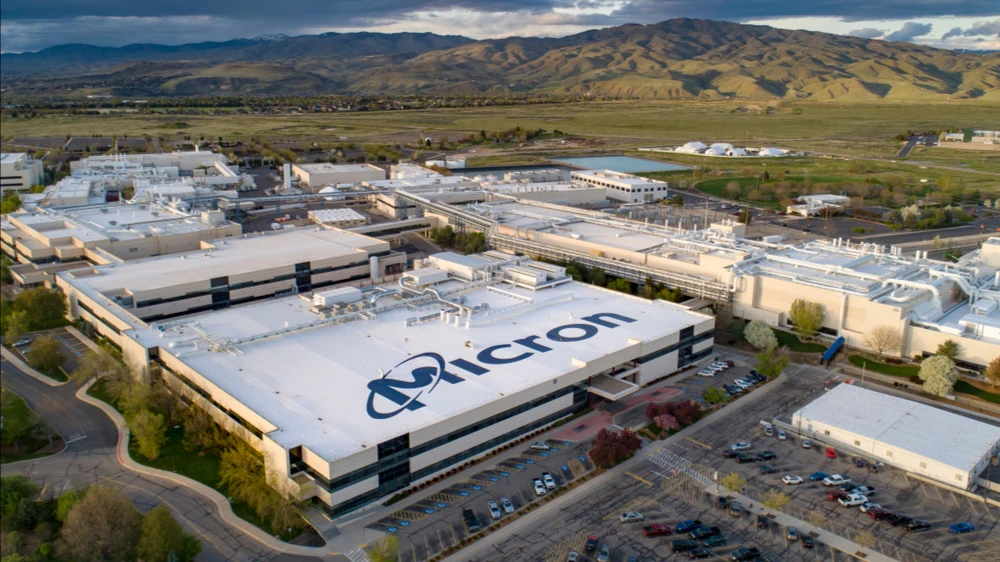
The surge in memory prices—which some analysts are calling “RAMageddon”—is driven by a boom in the construction of data centers for AI, Reuters explains: Companies such as Nvidia are signing long-term agreements with memory manufacturers, while electronics manufacturers are taking a back seat. Prices for DRAM—which is used in virtually all modern tech devices—rose by nearly 98% in the first quarter of 2026, according to data from industry research firm TrendForce cited by Reuters. It expects prices to rise another 58–63% in the current quarter.
“We’ve never seen component prices rise this much or this quickly,” Reuters quoted Apple as saying. “Until now, we have protected our customers from these increases, but we have now reached a point where we need to begin raising prices on a number of products, including today’s price increases for the iPad and Mac.”
This article was AI-translated and verified by a human editor