Exxon warned of a sharp drop in oil production at Kazakhstan's main oil field

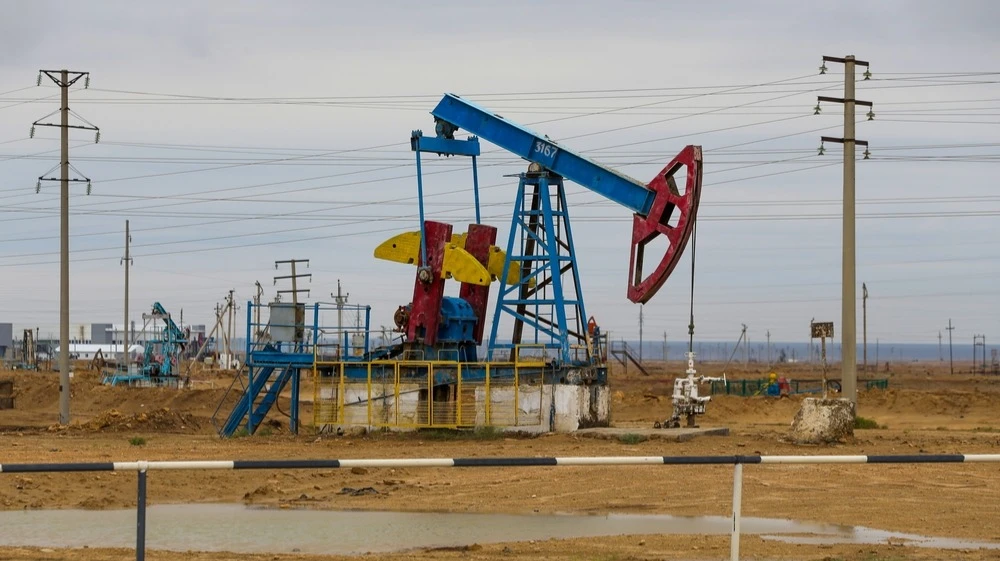
Exxon Forecasts a Decline in Oil Production at Tengiz / Photo: Pavel Mikheyev / Shutterstock
U.S. oil giant ExxonMobil has warned Kazakhstan that production at the country’s main oil field—Tengiz—is already nearing its peak and will decline sharply over the next decade. This is stated in a corporate presentation for Kazakhstani authorities, which Bloomberg reviewed. Joint investments in a new project at the Kashagan field—which Exxon is pushing for—could soften the blow, the agency reports.
Details
Production at Tengiz will plateau next year and fall to approximately 500,000 barrels per day by 2035, representing a decline of about 40% from peak levels, Bloomberg reports, citing an Exxon presentation. These forecasts were based on the assumption that there would be no major investments to expand production; however, sources told the agency that the reality may turn out to be different.
Tengizchevroil, the operator of the Tengiz project led by Chevron, and representatives of Exxon and Chevron declined to comment. The Kazakh Ministry of Energy and the Kashagan operator, NCOC, did not respond.
ExxonMobil is proposing to invest in the undeveloped western portion of Kashagan through a joint venture with the state-owned company KazMunayGas, with the prospect of producing up to 600,000 barrels per day there, Bloomberg reported. KazMunayGas supported ExxonMobil’s proposal, but the plan still requires political approval, which is not guaranteed, according to the agency’s sources. Officially, KazMunayGas called Bloomberg’s report inaccurate.
ExxonMobil had previously warned Kazakhstan that the fate of potential investments totaling $80 billion in the Kashagan expansion depends on the resolution of long-standing disputes worth $150 billion between the government and international oil companies, as well as a $5 billion environmental fine, Bloomberg reported, citing sources.
This article was AI-translated and verified by a human editor