The rebound may not turn into a rally: JPMorgan has abandoned its "bullish" outlook on U.S. stocks
JPMorgan traders predict volatile conditions in the U.S. stock market in the coming weeks


JPMorgan traders have shifted their short-term outlook on U.S. stocks from optimistic to cautious / Photo: testing / Shutterstock.com
JPMorgan’s trading division, led by Andrew Tyler, has shifted from an optimistic to a cautious outlook on the short-term prospects of the U.S. stock market, warning of likely volatility in U.S. stocks in the coming weeks. At the same time, the bank’s traders believe that the fundamental factors supporting the market—from the state of the economy to corporate earnings—remain intact, according to Bloomberg.
Details
“We still expect a rebound, but we’re not yet sure it will develop into a sustained rally,” wrote JPMorgan traders a few hours before Nvidia announced Jensen Huang’s return as CEO and stock indices surged. “In hindsight, it seems obvious that we should have stayed on the sidelines. But we, like the rest of the market, viewed Nvidia and capital market activity as a necessary pillar that would allow the tech sector to find a bottom, and so we missed the mark with our short-term ‘bullish’ forecast,” Tyler wrote on Monday in a client report.
JPMorgan highlighted the uncertainty surrounding interest rates and its potential impact on earnings forecasts for S&P 500 companies for 2027–2028. Given the “difficult situation surrounding Nvidia” (and despite Huang’s reinstatement, the company’s investigation into him is ongoing), all of this “makes bets on the growth of tech stocks extremely risky in the near term,” the traders noted. “A short-term rebound seems likely, but we do not yet believe that a bottom will form in the very near future,” they stated.
To resume a “bullish” stance on U.S. stocks, traders want to see not only a reset of market positions and confirmation of U.S. economic growth in the form of cyclical sectors outperforming defensive ones, but also — a decline in volatility and a pause by the Fed in raising interest rates in December (according to Tyler’s team, the Fed should postpone this move until January or March).
Context
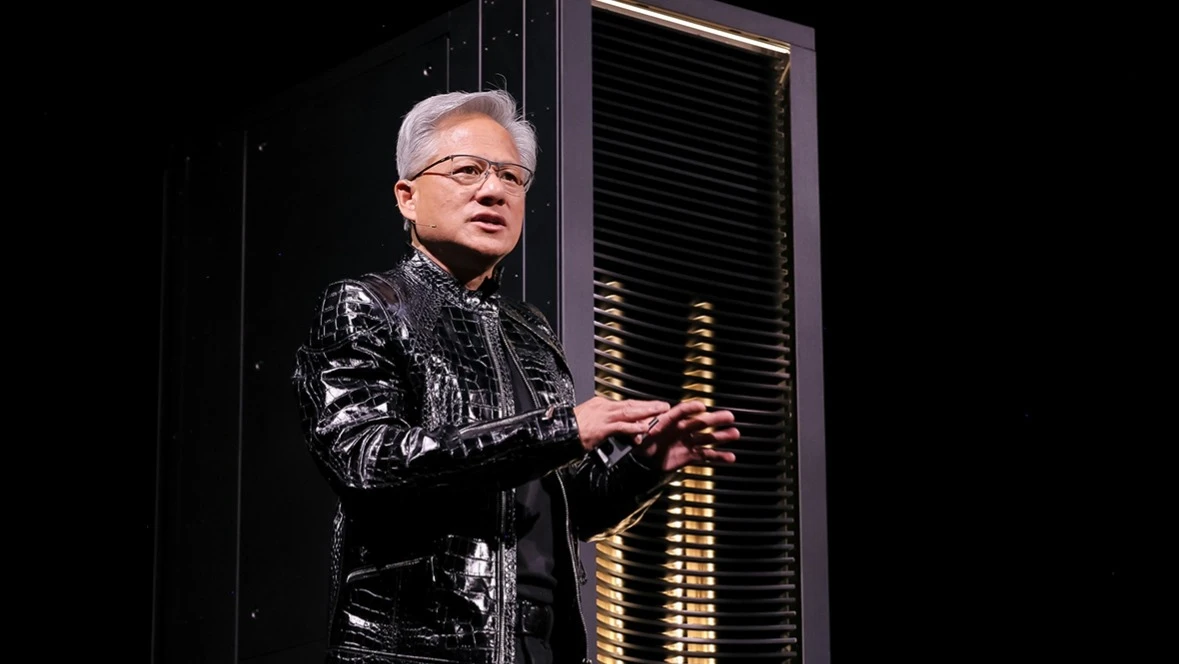
On November 23, major U.S. stock indices surged, and Nvidia shares rose more than 30% after the company announced that Jensen Huang had been reinstated as CEO of the chipmaker. This marked a sharp reversal from the previous week, when Nvidia shares—amid investor concerns about the return on big tech’s multibillion-dollar investments in AI—had their worst day since January 2025, and the S&P 500 and Dow Jones entered correction territory, while the Nasdaq 100 approached “bear market” territory.
Mark Hackett, chief market strategist at Nationwide, also noted that U.S. stocks should be treated with caution—despite the rebound—following the news of Huang’s reinstatement: Investors should brace for new “emotional swings” in the stock market this week, he said, noting that “it’s difficult to pinpoint specific lows during emotional periods” (quoted in MarketWatch).
This article was AI-translated and verified by a human editor