Five outstanding risks after Huang's high-profile return to Nvidia
A Wall Street Journal columnist sees Trump as the "shadow chair" of Nvidia's board now

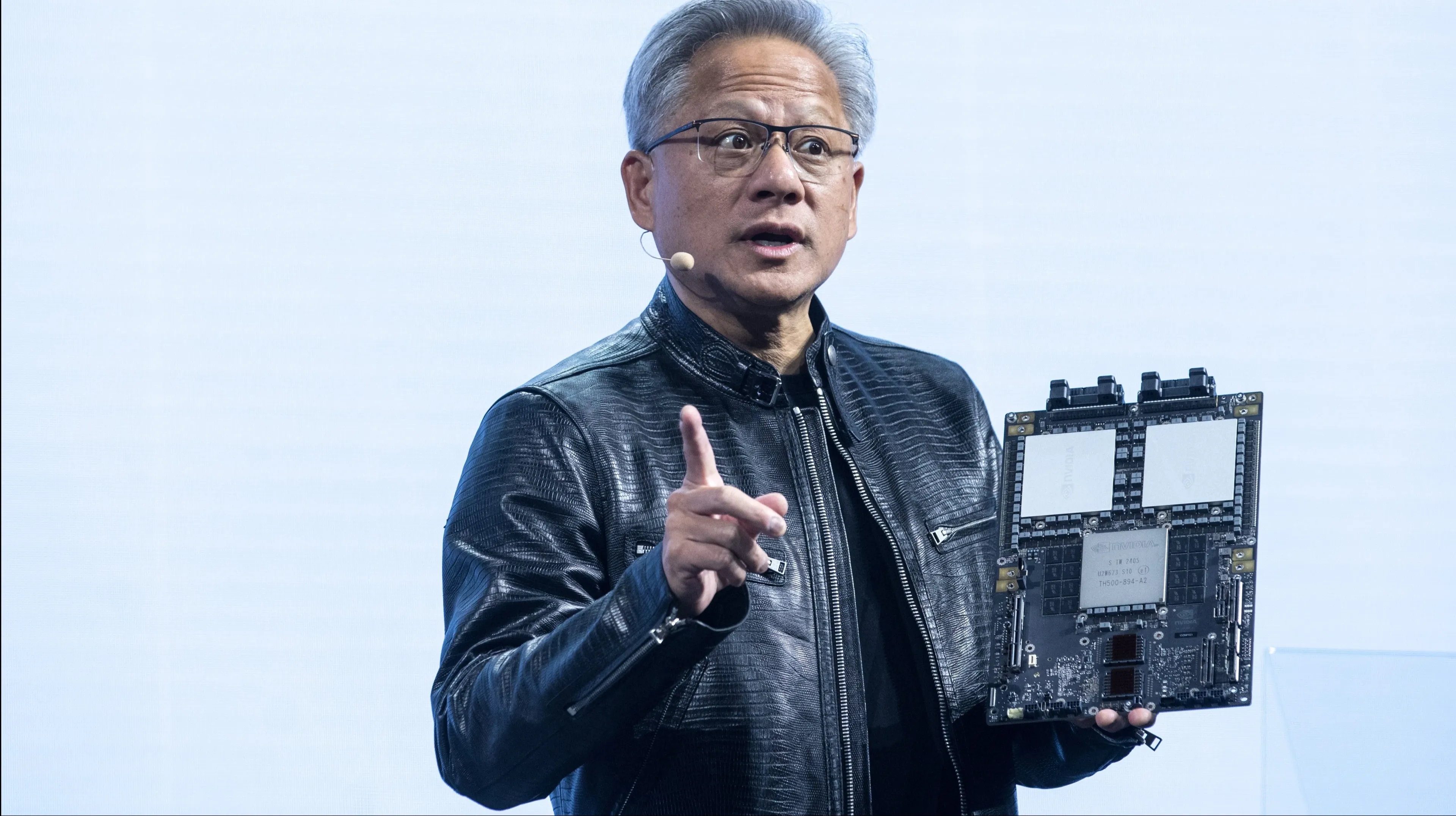
Nvidia shares jumped almost a third in a single session on news that Jensen Huang was returning as CEO / Photo: jamesonwu1972/Shutterstock.com
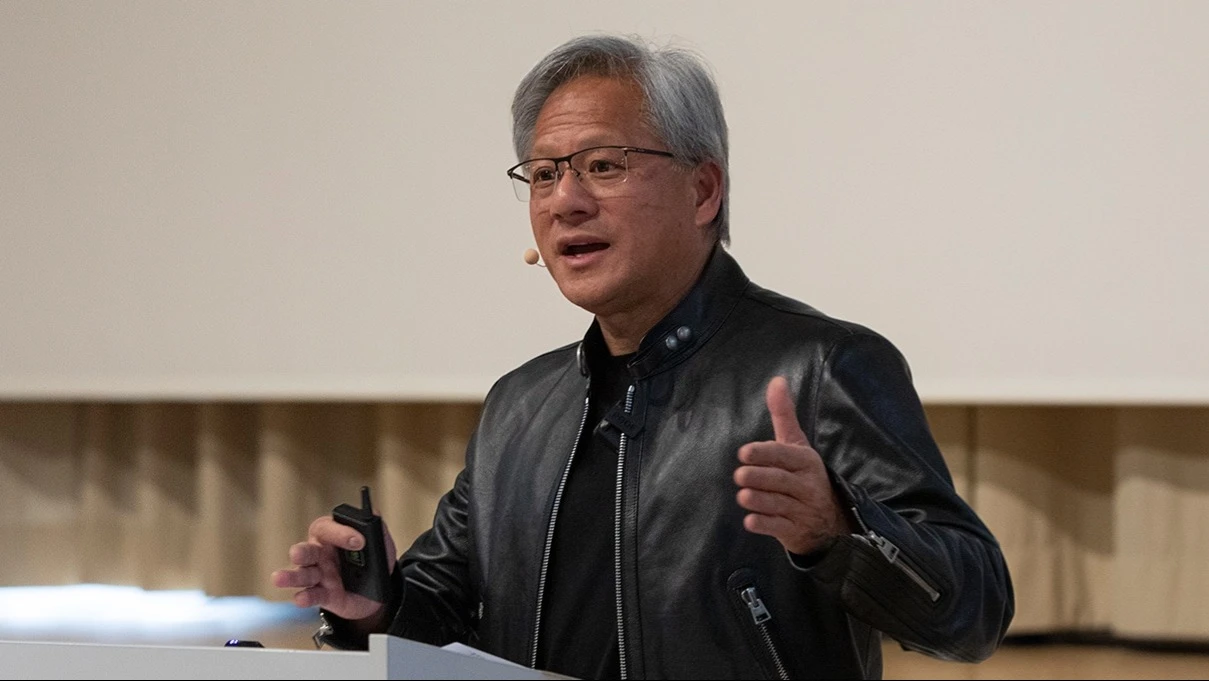
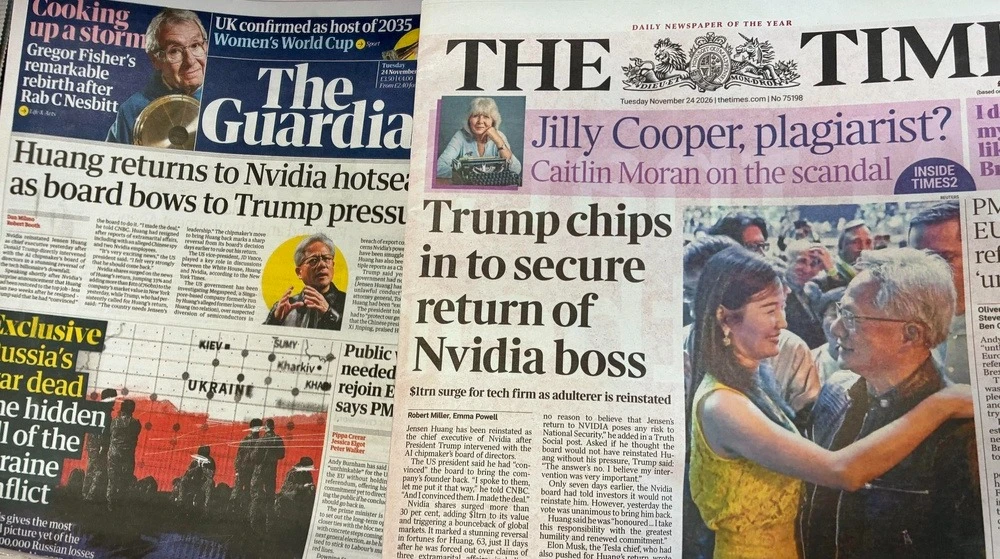
Jensen Huang’s return as Nvidia CEO sparked the chipmaker’s biggest stock rally since 2003, but it bodes poorly on several fronts over the long run, Wall Street Journal columnist James Mackintosh argues. For now, he says, everyone benefits. Nvidia can avoid a shakeup, and its customers can keep getting financing.
Mackintosh points to five serious lingering problems: investors are tiring of the constant demands for data center financing, competition is intensifying, the White House has put pressure on Nvidia’s board, China hawks in Congress are pressing for investigations, and a conflict of interest has given critics of unfettered capitalism a new argument.
Threats to growth and margins
Nvidia’s growth hinges on data center construction, but investors have grown weary of builders’ repeated requests for fresh financing, Mackintosh writes. He cites a BofA survey in which more than half of fund managers expect a major tech company to cut capex in the next six months.
Nvidia can finance its customers’ chip purchases for a while, but the trillions of dollars projected to go into data centers will have to come from outside investors, Mackintosh notes.
Nvidia also faces stiff competition from other chip suppliers, including AMD, Broadcom, Google, and Amazon. Having its brilliant founder back will help Nvidia bring new products to market, but it now faces far more competition, which will squeeze margins over time, Mackintosh warns.
Trump as 'shadow chair' of Nvidia
As recently as last week, Nvidia Chair Harvey Jones assured investors that Huang would not return, even as U.S. President Trump called for his reinstatement. The board ultimately gave in, and Trump might as well be its "shadow chair," Mackintosh argues. Nvidia insists that its board is independent, but Mackintosh says it is clear to everyone that Huang has too much influence for the board to fire him. In practice, he runs the company. Nvidia’s governance rules and code of conduct have proved to be formalities, the columnist concludes.
China hawks in both parties are likely to keep pressing for investigations into Nvidia and Huang, Mackintosh expects. On December 1, Huang is due to answer questions from House committees about his possible ties to Alice Huang, who is suspected of spying for China. If lawmakers uncover anything damaging, Nvidia will have lost the option of blaming its former CEO. He is back in charge.
Even centrists weary of corporate scandals should be outraged that anyone could overlook the obvious conflict of interest posed by Huang’s affairs with an executive at an Nvidia customer and an executive at Nvidia itself, Mackintosh writes. Critics of unfettered capitalism have a powerful new argument, he says, “and he wears a leather jacket.”
Bears split
Two prominent short sellers reacted differently to Huang’s return. Carson Block, whose Muddy Waters Research disclosed a short position in Nvidia last week, remains skeptical. Huang’s reinstatement as CEO, especially under what Block sees as obvious pressure from the Trump administration, sends a clear message that powerful CEOs “won’t be held accountable, even for potential national security breaches,” Block told Business Insider. What concerns him most is that Huang did not disclose his alleged relationship with an executive at Singapore-based Megaspeed.
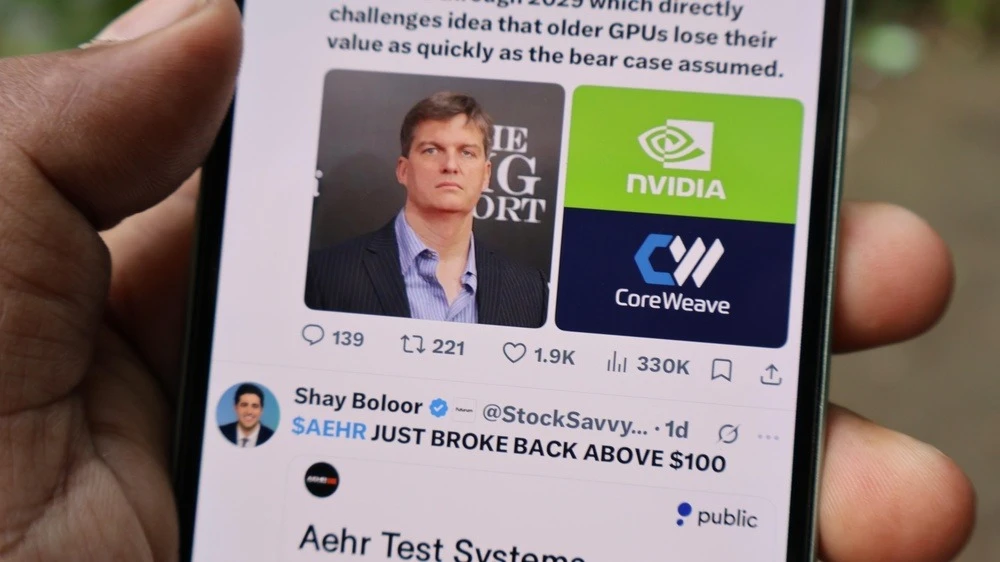
Michael Burry, the real-life inspiration for a hero in The Big Short, has decided to hold off on betting against Nvidia. He will wait until the stock approaches $200 per share before opening a short position, Burry wrote on his Cassandra Unchained blog. He expects Huang’s return could send the stock back toward the high end of its $100-199 per share range.
Nvidia shares closed at $165 apiece on Monday, up 31.5% for the session. The stock had given back 4% to below $160 per share at the start of Nasdaq premarket trading on Tuesday.