The cost of insuring Nvidia's debt against default has approached a record high
The widening of spreads on Nvidia's five-year credit default swaps reflects market anxiety, although the likelihood of the company defaulting is extremely low

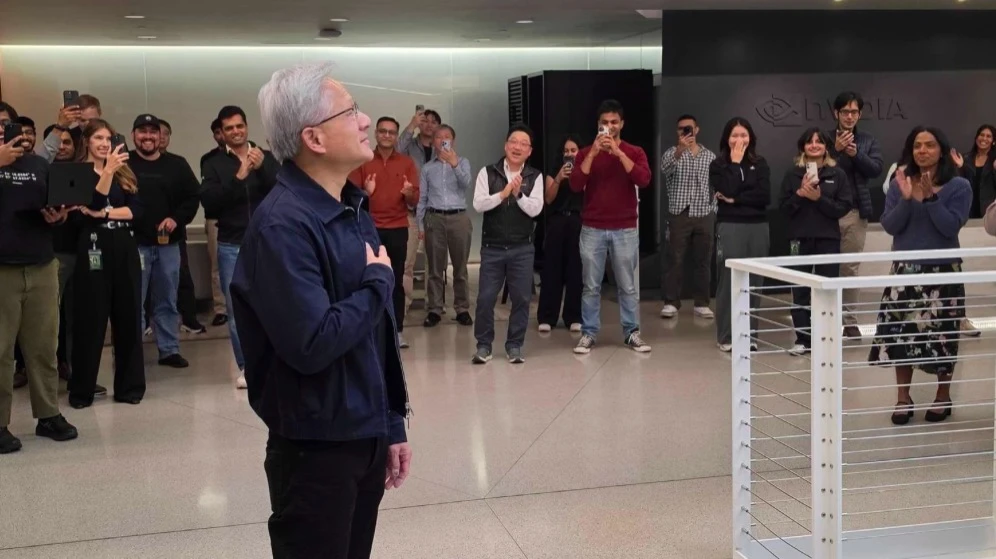
Nvidia's stock resumed its sharp decline the day after the ousted CEO returned / Photo: Konstantin Savusia / Shutterstock.com
Nvidia's credit default swap (CDS) spreads, which serve as an indicator of credit risk, have once again approached the record high reached just a few days ago, according to GuruFocus.
During trading on November 24, five-year CDS on Nvidia’s debt reached 142.662 basis points, up 4.466 basis points from the previous session. The high, which was recorded on November 20, stands at 145.449 basis points, according to Seeking Alpha.
CDSs are contracts that investors purchase as insurance against a company's inability to pay its debts. Their value rises when a company's risk of default is assessed as higher.
According to S&P Global Market Intelligence, the price of Nvidia’s five-year CDS has risen by approximately 53% since the beginning of October. This is the most significant increase among the seven tech giants tracked. In addition to Nvidia, this group includes Oracle, Amazon, Microsoft, Alphabet, Meta Platforms, and SpaceX, according to The Wall Street Journal.
In absolute terms, Nvidia’s credit risk remains low—the likelihood of the company defaulting is extremely low, wrote Bloomberg journalist Lisa Abramovich on X. However, the trend warrants attention given the recent volatility in Nvidia’s stock, she noted.
Context
Nvidia CEO Jensen Huang was dismissed by the board of directors on November 12. This followed reports of his extramarital affairs, including one with a woman whom the U.S. suspects of spying for China.
On the day of Huang's resignation, Nvidia's stock briefly fell 14%, while the price of a five-year credit default swap on Nvidia's debt approached a record high.
Eleven days after his dismissal, on November 23, Huang was unexpectedly reinstated under pressure from U.S. President Donald Trump. Following the CEO’s return, Nvidia’s stock soared more than 31% in a single day, setting a record for the company’s market capitalization growth. During trading on November 24, the stock fell by about 9%.
Huang’s return has not resolved the problems at Nvidia that came to light with the scandal, and the company may face new risks in the future, investment firms warn. Currently, two Wall Street analysts have assigned a “sell” rating to Nvidia shares, although just a month earlier, only one had issued such a recommendation. Most analysts continue to recommend that investors buy Nvidia shares.
This article was AI-translated and verified by a human editor