"Nvidia Bank Is Open Again": What Huang's Return Means for Nebius and Other Cloud Providers

It remains unclear whether Nvidia will retain its role as the so-called “AI central bank” / Photo: Jack Hong/Shutterstock
Jensen Huang has returned to work as the head of Nvidia, but it remains unclear whether the chipmaker will retain its role as the so-called “central bank of AI,” according to MarketWatch. Nvidia has become not just a supplier to the artificial intelligence industry, but also one of its key financial backers. The company has actively invested in leading AI platform developers, including OpenAI, Elon Musk’s SpaceX and the French company Mistral, as well as in companies building data centers for AI. It’s a mutually beneficial arrangement: Nvidia helps finance the expansion of AI infrastructure, thereby fueling demand for its own chips, Bloomberg notes.
Following Huang's resignation, investors' main concern was whether the company would be able to continue funding the artificial intelligence boom. Here's how analysts are assessing the situation following his return.
What They're Saying on Wall Street
— “It remains to be seen whether the company will continue to negotiate new multilateral investments among ecosystem partners on the same scale as before,” says Goldman Sachs analyst James Schneider. In August, for example, Nvidia, in partnership with Goldman and major investment firms—Apollo, BlackRock, Blackstone, Brookfield, and KKR— raised more than $500 billion to fund AI computing infrastructure.
“It’s tempting to say that the company could cut funding for the ecosystem a bit,” noted UBS analyst Timothy Arcuri, commenting on the outlook for Nvidia’s customer support programs. However, the chipmaker has supply commitments totaling approximately $390 billion. Against this backdrop, the analyst believes, “to a certain extent, it needs to keep this flywheel running at full speed to stimulate customer purchases.”
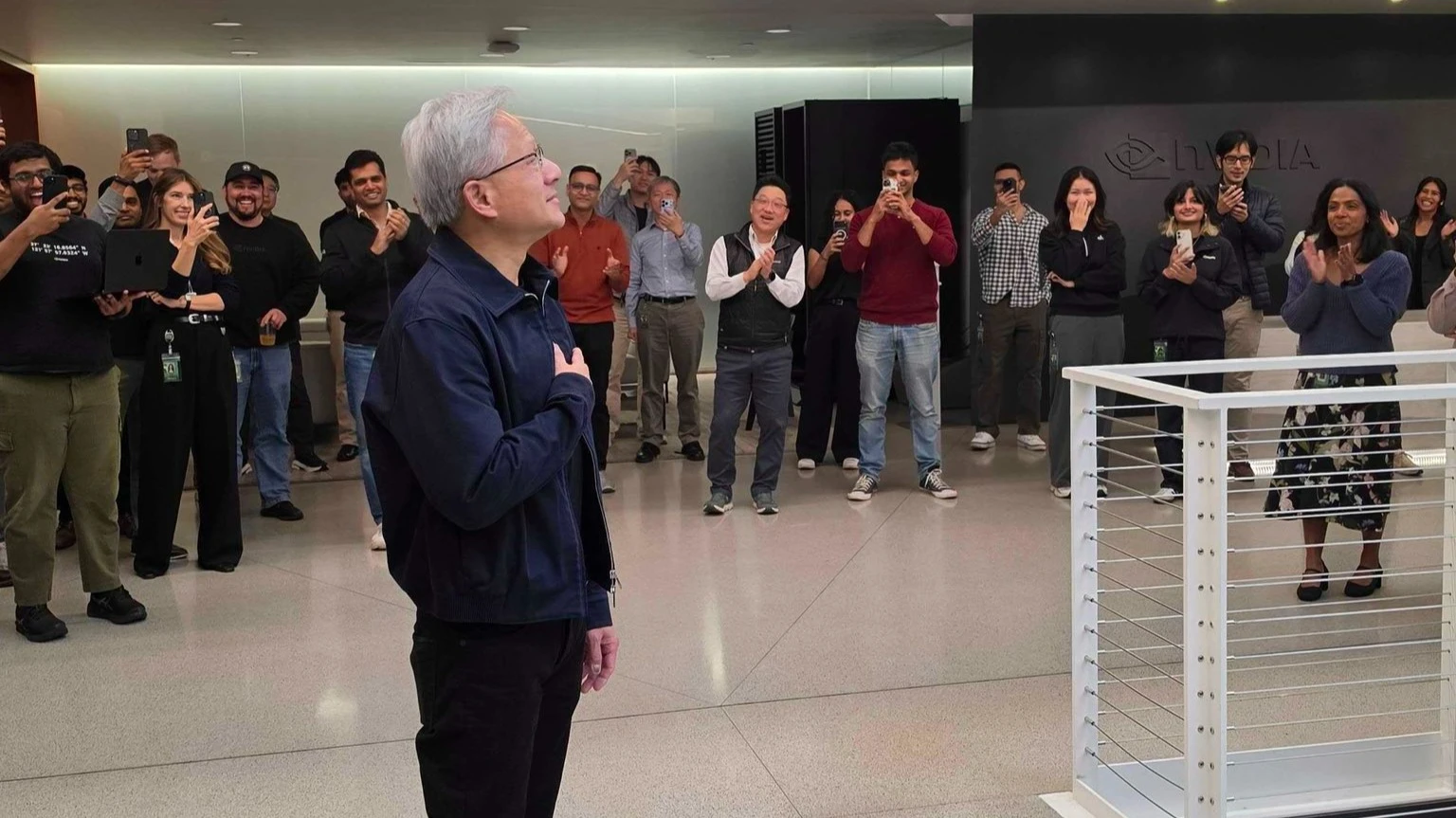
— Independent technology analyst Luke Lango described the surge in the stock price following Huang’s return as “a relief rally and nothing more,” since the reinstatement of Nvidia’s CEO does nothing to alleviate concerns about a slowdown in AI capital expenditures. “The ‘bullish’ scenario—that ‘Nvidia Bank’ is open again and AI deployment is proceeding as planned—has its flaws,” he wrote, adding that Huang is likely to scale back his deal-making activity following his return. “Right after such a high-profile scandal, he’s unlikely to restart that machine,” Lango said (as quoted by Business Insider).
— “The reinstatement of Nvidia’s prolific AI expansion leader as CEO reinforces confidence that the momentum of modern technologies will remain strong, while pushing concerns about a slowdown into the background,” — said Jose Torres, an analyst at Interactive Brokers, in a comment to Bloomberg. According to him, “Huang has been a key advocate, negotiator, influential figure, financier, and leader for the industry, supporting its expansion and bolstering optimism whenever doubts arose regarding the enormous capital expenditures, uncertain prospects for return on investment, and/or integration capabilities.”
— From a market perspective, resolving the uncertainty surrounding the company’s leadership is a clear positive for Nvidia and the entire AI supply chain, says Marcus Greer, founder and chief investment officer of Catatumbo Capital Partners. “But today’s developments do not answer the questions behind the recent sell-off: how AI growth will be funded, and whether the ‘neo-clouds’ and cutting-edge labs will be able to meet their commitments regarding computing power. Until we have answers to those questions, I expect volatility to remain elevated.”
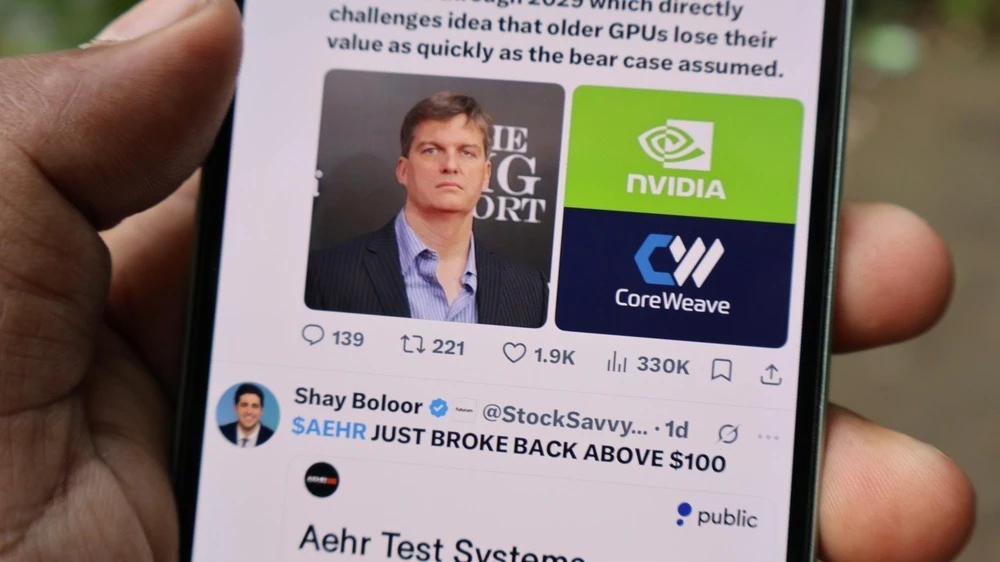
Who depends most on Nvidia's support?
Nvidia’s funding of the AI ecosystem is crucial for cloud companies such as Oracle, CoreWeave, Nebius, and IREN, MarketWatch notes. Amid Huang’s return and investors’ bets that the influx of money into AI will continue, CoreWeave’s stock rose 22%, Oracle’s rose 12%, IREN’s gained 24%, and Nebius’s rose 20%.
Oracle’s largest customer is OpenAI, which trains its AI models primarily on Nvidia graphics processing units. OpenAI has committed $300 billion to Oracle to secure data center capacity—Oracle is using these funds to purchase Nvidia chips. “Although Oracle is beginning to offer other chips, the deployment of Nvidia chips remains a priority for Oracle,” noted analyst Luke Young.
For its part, Nvidia itself has invested in CoreWeave, and the cloud provider uses its chips. According to Yang, Huang is “promoting the neo-cloud ecosystem, ”whereas other executives might not pursue policies that are so favorable to it.
Ted Mortenson, managing director at Baird, told MarketWatch that Huang’s return as CEO removes “significant leadership uncertainty” that had been weighing on the AI infrastructure ecosystem. In his view, this will help restore relations with Oracle’s leadership and other partners: “He is a master at building relationships and raising capital.”
This article was AI-translated and verified by a human editor