Four EU countries have called for a return to the plan to use Russian assets for Ukraine
The previous attempt failed because of Belgium's position

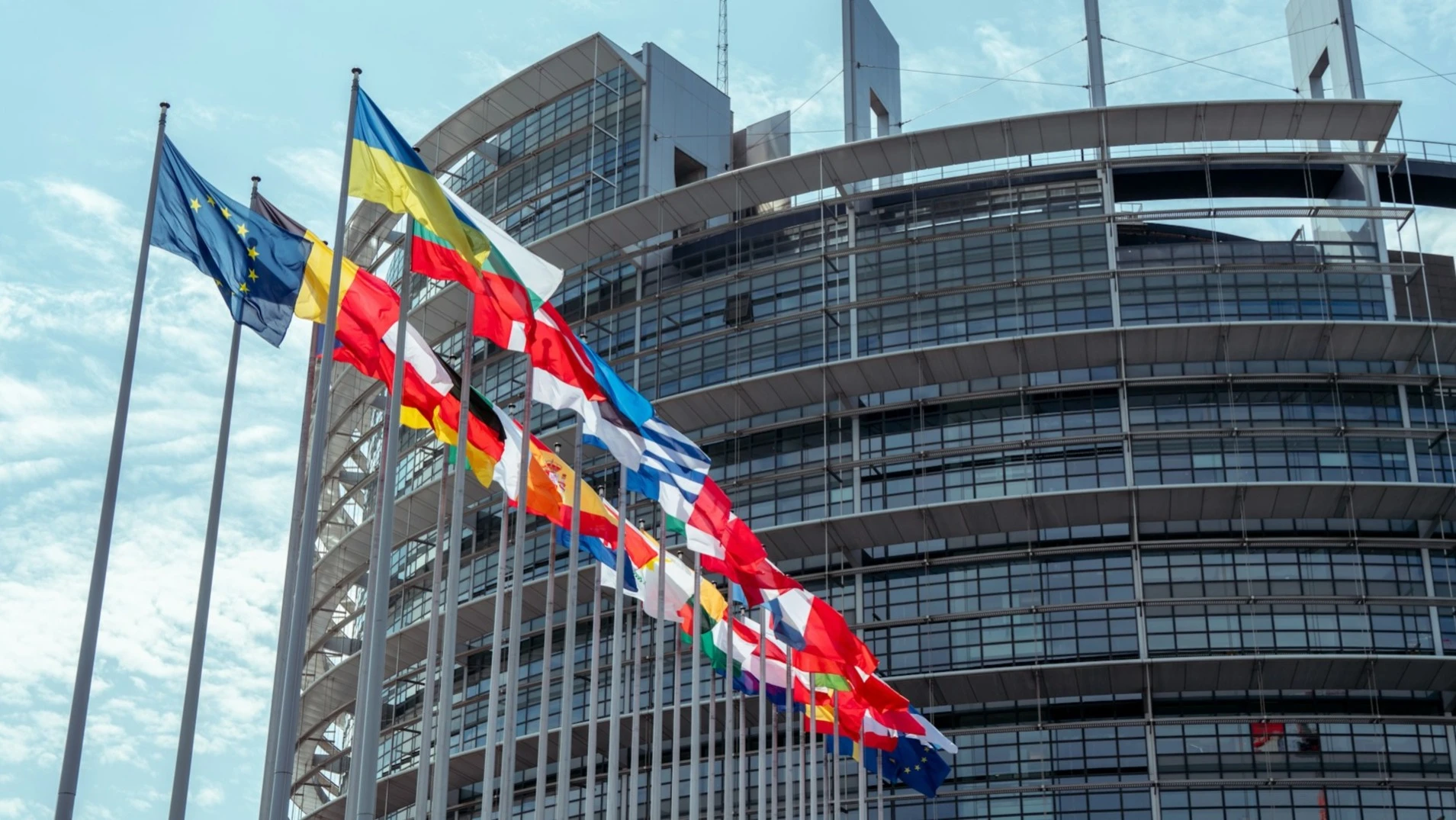
EU countries have resumed discussions on freezing Russian assets to aid Kyiv / Photo: Unsplash/Lukas S
Four European Union countries, including the Netherlands and Spain, have called on Brussels to resume efforts to use Russia’s frozen assets to support Ukraine, the Financial Times reports, citing sources and a related letter. Bloomberg and Politico have also cited this document. European capitals fear that Kyiv will face a new funding shortfall.
Details
In a letter to EU Foreign Affairs Chief Kaja Kallas, the foreign ministers of Spain, Poland, the Netherlands, and Sweden stated that the time has come to once again raise the issue of using frozen Russian assets totaling more than €200 billion, according to four sources cited by the FT. Most of the assets are frozen in the Brussels-based Euroclear clearing system, according to Bloomberg.
Last winter, plans to support Ukraine using frozen assets of the Central Bank of Russia fell through: Belgium blocked the initiative, the FT notes. Belgium feared that it would have to pay compensation for the assets on its own in the event of legal claims from Russia, the FT writes.
Now the authors of the letter are asking Brussels to clarify whether there has been any progress in finding alternative legal and technical solutions that would allow them to overcome Belgium’s veto, the FT reports. In the letter, the four foreign ministers stated that technical experts from the European Commission should explore “new options” for using the assets to benefit Ukraine, “which ensure that the risk is shared among all EU member states and that none of them bears a disproportionate burden,” Bloomberg reports.
The agency added that the initiative is scheduled to be discussed at a meeting of EU foreign ministers next week in Ireland.
“Now is the time to launch a new discussion on how we can use Russia’s frozen assets more effectively for the benefit of Ukraine and ourselves. This is a fair and reasonable way to ensure that Ukraine can defend itself and all of Europe,” the FT quotes Swedish Foreign Minister Maria Malmer Stenergard as saying.
The Kremlin stated that the European Union’s use of Russia’s frozen assets is illegal and will have legal consequences, according to the Financial Times.
Euroclear declined to comment to the FT.
Why Have Countries Revisited the Issue of Russian Assets?
Ukraine has long been demanding that the European Union use Russian assets frozen under the sanctions imposed against Moscow in February 2022 to help finance its defense. The proceeds from these assets held in accounts at Euroclear, the Brussels-based central securities depository where most of them are held, are already being used to finance a loan of up to €50 billion agreed upon in 2024, the FT notes.
Amid Russia’s missile strikes on Ukraine, the EU is concerned that Kyiv will need additional funding. This refers to amounts in excess of the €90 billion loan guaranteed by the EU budget, which was secured in December 2025 in exchange for the idea of frozen assets, the FT reports. Ukrainian President Vladimir Zelenskyy has stated that Kyiv is facing a $27 billion defense budget shortfall this year, according to Bloomberg.
"So far, no one has proposed a new initiative that ‘wouldn’t run into the same political barriers that existed in December,’" a European Union official told the FT. “We don’t have a magic white rabbit to pull out of a hat,” the official added. But previous legal proposals can be refined and amended, and if the political situation changes, it may be possible to pass the legislation, he added.
The call to revisit the proposal on frozen assets coincided with intensifying disputes over the size and financing of the EU’s next seven-year general budget, the FT notes. Some diplomats suggested that additional funding for Ukraine could become part of these discussions and increase pressure on capitals to find alternative sources of funding.
This article was AI-translated and verified by a human editor