GM will move its listing to the Nasdaq. What does this mean for its stock?
GM is the first of the traditional automakers to list on a stock exchange geared toward technology companies

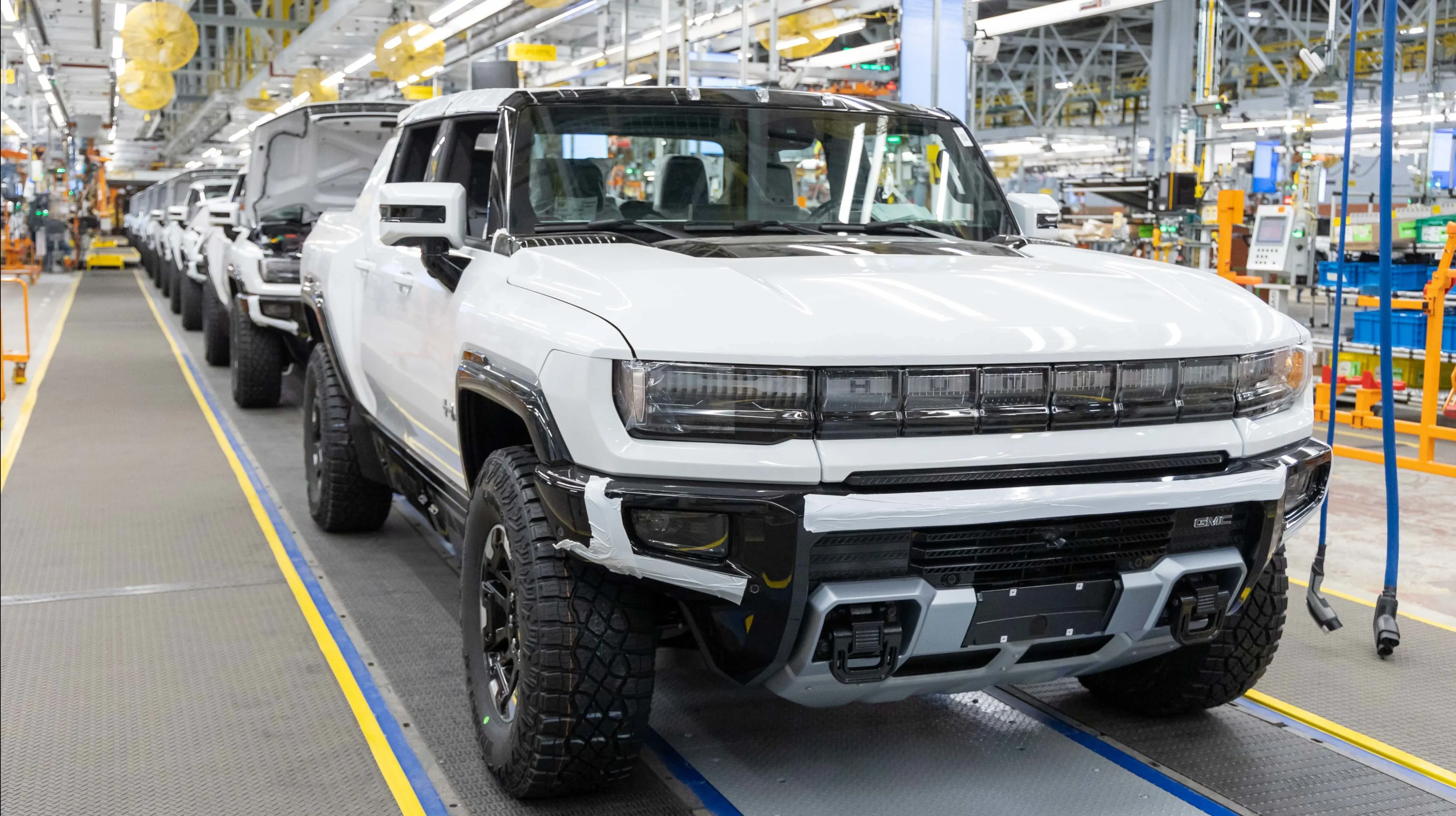
The company plans to complete the transition to the new trading platform in mid-November / Photo: GM
General Motors, the largest automaker in the United States, has decided to transfer its stock listing from the New York Stock Exchange (NYSE) to the Nasdaq amid developments in self-driving cars and artificial intelligence technologies.
Once the transition is complete, GM will become the first traditional automaker whose shares can be purchased on the Nasdaq, Reuters notes. GM Chief Financial Officer Paul Jacobson called the move to a stock exchange focused on technology companies “natural” from the perspective of the company’s strategy.
What does this mean for investors?
For most investors, the changes will go unnoticed. GM shares will continue to trade on the NYSE until the market closes on November 16, and the very next day, trading will begin on the Nasdaq under the same ticker symbol (GM).
However, the potential inclusion of GM shares in the Nasdaq 100 index could generate additional demand for the stock from passive investors who track the index, according to Barron's. And when the number of buyers exceeds the number of sellers, it drives up the price of any stock.
Funds with more than $1 trillion in assets track the Nasdaq 100 Index. However, this figure falls significantly short of that of the S&P 500, which is tracked by assets totaling more than $20 trillion.
Although there were still more than two weeks left before the transition, GM’s stock rose nearly 7% during trading on the NYSE. The automaker’s market capitalization stands at $68 billion—compared to $1.55 trillion for Tesla, which is already trading on the Nasdaq.
Why is GM doing this?
The transition is linked to plans to launch a new generation of electric vehicles with a “software-defined” architecture, which the company intends to develop using large datasets and machine learning, according to the Financial Times. Sterling Anderson, a Tesla veteran hired last year by CEO Mary Barra to oversee GM’s technology division, told the publication that the self-driving cars the company is developing will help it stay ahead of global competitors, including those from China.
Other major American corporations are also investing in “physical AI”—the application of artificial intelligence in large-scale manufacturing: Nvidia founder Jensen Huang is forming partnerships with robotics and industrial companies, while Elon Musk is using this approach to transform Tesla and is discussing a merger with SpaceX.
In addition, revenue from software subscriptions is becoming an increasingly important source of income for automakers. In the third quarter, GM’s revenue from the OnStar service exceeded $800 million, a 15% increase from the same period last year, while revenue from the SuperCruise driver-assistance system rose 60% year-over-year.
Context
GM’s move will be yet another blow to the NYSE’s prestige, as it has been losing market share to Nasdaq and new exchanges in Texas in recent years in the battle to be the listing venue for the largest U.S. companies, the FT notes. Last year, retail giant Walmart—the largest company by market capitalization to move from the NYSE to the Nasdaq—explained its decision by citing a “strong alignment” with the exchange’s technology-focused approach.
Nasdaq hosted the IPO of space company SpaceX this year and is preparing to begin trading shares of AI lab Anthropic. The exchange has changed the rules for its flagship Nasdaq 100 index, creating a fast-track 15-day process for market giants to be included in the index, replacing the previous wait of up to one year, and has also eliminated the requirement for a minimum 10% free-float.
This article was AI-translated and verified by a human editor