Mercedes No Longer Expects Profit Growth: Sales in China Plummeted by 30%

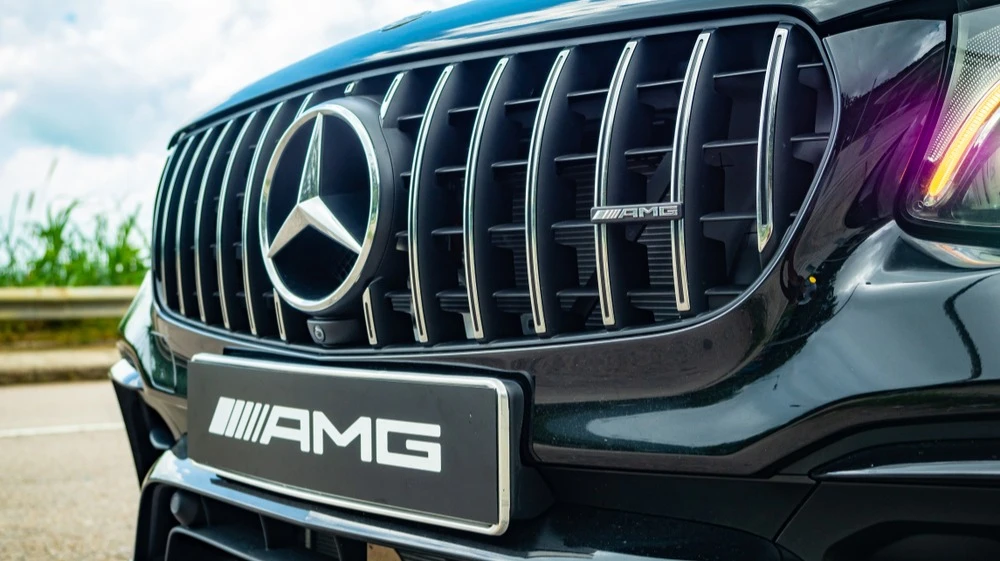
Problems in China Have Weighed on Mercedes' Forecasts / Photo: Teddy Leung / Shutterstock
German luxury automaker Mercedes-Benz has lowered its profit forecast due to the deepening economic downturn in China. This underscores the growing pressure on German automakers in a market that was once a reliable source of revenue for them, according to Bloomberg. Volkswagen and BMW had previously reported a slowdown in demand there. Porsche, however, has significantly reduced its dependence on Chinese consumers, making its business less vulnerable.
Details
Mercedes now expects adjusted sales profitability in its core automotive division to be 2–3% this year—down from its previous forecast of 3–5%.
The automaker's sales in China continued to plummet in the third quarter, falling 31% compared with the same period last year, according to Bloomberg. In addition, the company cited an expected rise in expenses toward the end of the year, partly due to higher material costs.
Mercedes warned that earnings before interest and taxes would remain roughly at last year's level, whereas it had previously expected a significant increase.
The company's shares in Frankfurt plummeted 5.5% following this warning, after which they recovered slightly but remained down 3.6%. Since the beginning of the year, Mercedes' market value has fallen by approximately 34%.
The automaker will release its third-quarter report on Wednesday, October 28.
What does this mean for an investor?
Mercedes’ downward revision of its forecast underscores how quickly China has gone from being a source of profit to a headache for German automakers, according to Bloomberg. The drop in revenue leaves companies with less room to maneuver just as they need to make large-scale investments to restructure their businesses amid growing competition, including in Europe, the agency reports.
The downturn in China’s real estate market is limiting local consumers’ spending on luxury goods, which has hit luxury clothing and accessory manufacturers particularly hard. At the same time, local brands are challenging Mercedes in terms of pricing, technology, and design. The pressure is particularly acute in the top segment of the model lineup, which has traditionally been one of the company’s main sources of profit, Bloomberg notes.
China is the main reason for the weak performance of German automakers, noted Metzler analyst Daniel Schwarz, according to Reuters. Mercedes, like BMW, remains heavily dependent on the Chinese market. At the same time, German sports car manufacturer Porsche, which reported a return to profitability on Tuesday, has reduced its dependence on Chinese buyers and is actively promoting its brand in an even higher price segment, the agency reports. According to Schwartz, this makes the company less vulnerable to competition from Chinese manufacturers, which are expanding into Europe and other markets.
Most analysts covering Mercedes stock recommend buying it—11 out of 21. Eight suggest holding them in a portfolio, and only two recommend reducing the position. Meanwhile, analysts are more cautious about Porsche: the company has only 5 “bullish” ratings, along with 10 neutral recommendations and three sell recommendations.
This article was AI-translated and verified by a human editor