Goldman Sachs chief sees "more greed than fear" in the market ahead of SpaceX IPO
The availability of investment capital has been a key factor in the boom in multi-billion dollar IPOs, David Solomon believes

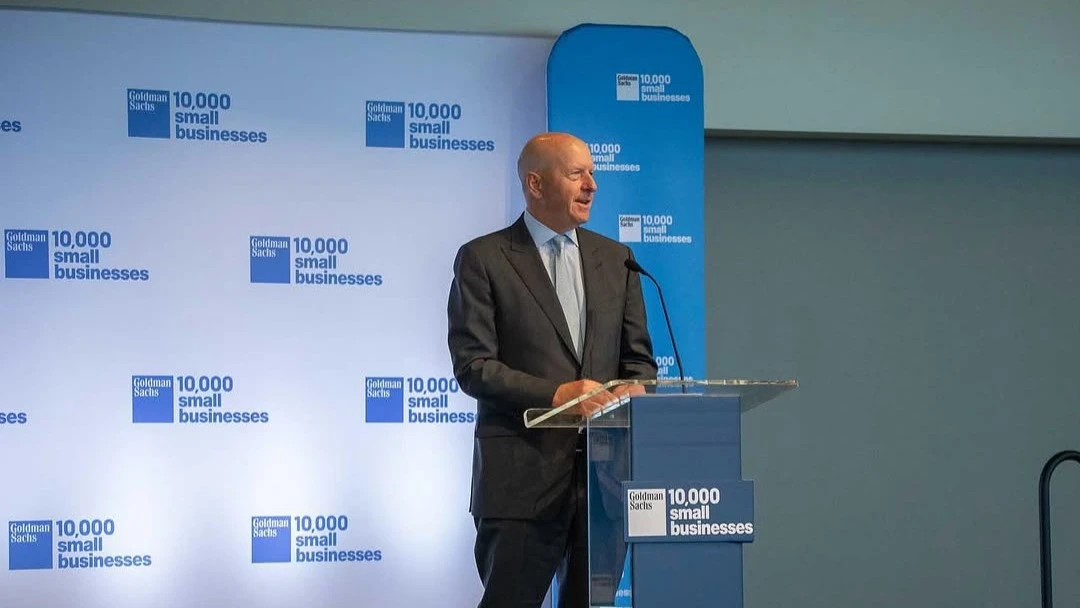
David Solomon has led Goldman Sachs since 2018 / Photo: instagram.com/davidsolomon
Goldman Sachs CEO David Solomon said investors are now willing to take risk rather than walk away from it: the market continues to rise despite expensive assets, high oil prices and inflation.
What Solomon said
At an Economic Club of New York event, Solomon was asked whether the market would have enough demand for a string of IPOs by tech giants SpaceX, OpenAI and Anthropic. The investment banker replied that "there is plenty of liquidity in the system if the world continues to be as optimistic," Yahoo Finance writes.
"We are definitely at a point where there is more greed than fear," Goldman Sachs said(quoted by the Financial Times). According to him, this is why companies that need funds are now coming to the market: "Because capital is available." Asked how quickly risk appetite in the AI sector could give way to caution, Solomon said, "Things can change quickly. But that doesn't mean it will."
Why listen to him?
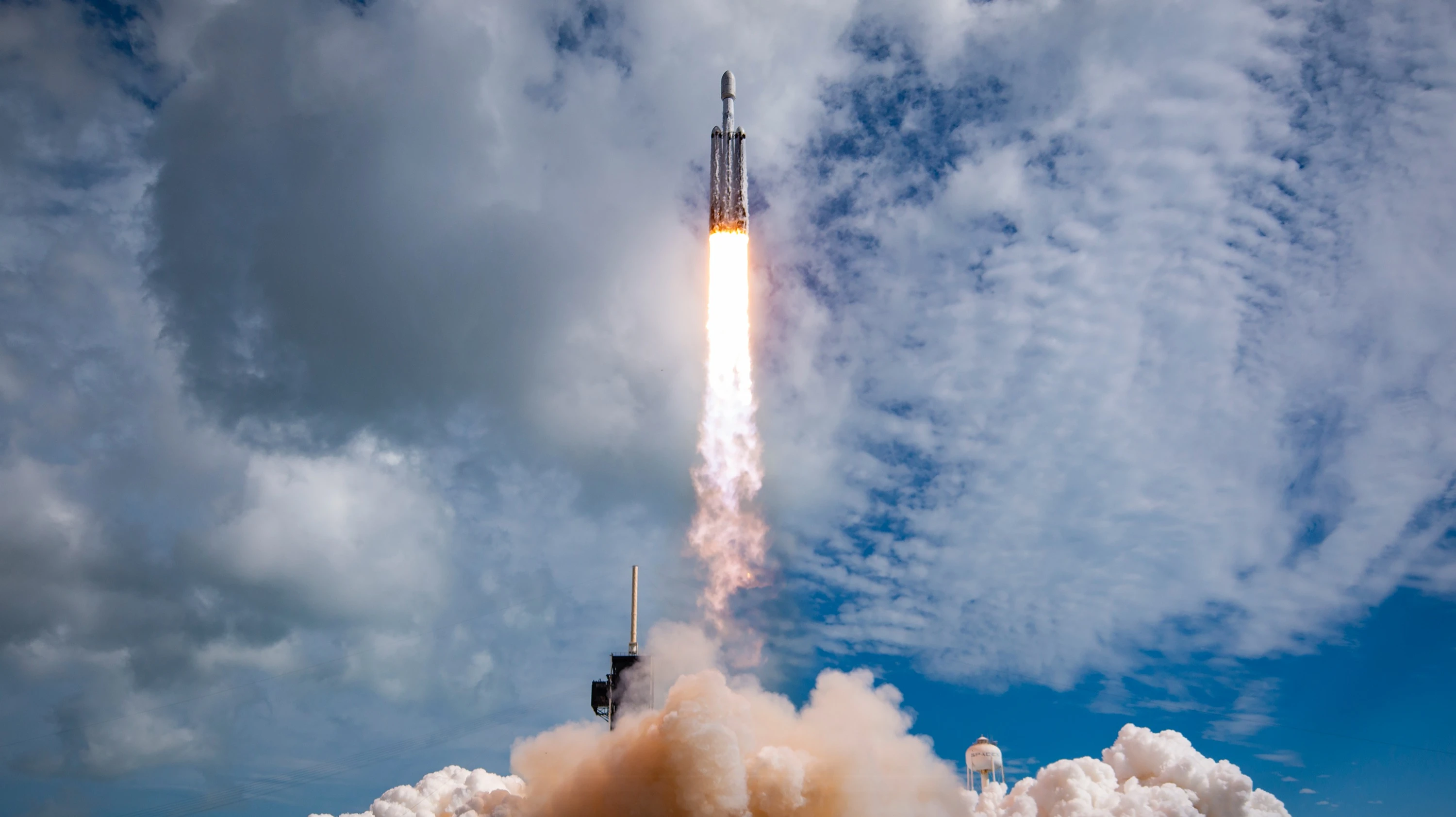
Goldman Sachs is one of the most influential and prestigious investment banks on Wall Street. Its IPO team was recently mandated as lead underwriter for Elon Musk's record-breaking SpaceX offering, beating out Morgan Stanley, who was considered the favorite.
Goldman also led a complex $80 billion equity capital raise by Alphabet, Google's parent company. In addition, the investment bank claims key roles in preparing the listings of two major AI startups: Anthropic filed for an IPO on June 1; OpenAI could do so in the coming days or weeks.
What could cool the market?
Solomon warned that demand for AI infrastructure and computing power "will not grow linearly as everyone is now predicting." He cited new technological changes and shifts in production and distribution costs among the possible obstacles, Yahoo Finance reported.
According to the Goldman executive, demand for AI computing "ultimately has to come from businesses," but businesses will not adopt AI as quickly as the market hopes. "Companies in general will be slower to use [AI], slower to change and slower to adapt than I think is expected now," the investment banker said.
This article was AI-translated and verified by a human editor