Google has released the Pixel 11 family of smartphones, featuring AI capabilities that the iPhone doesn't yet have
Analysts believe that compelling use cases for new technologies are crucial for turning consumer interest in AI into actual purchases of new smartphones

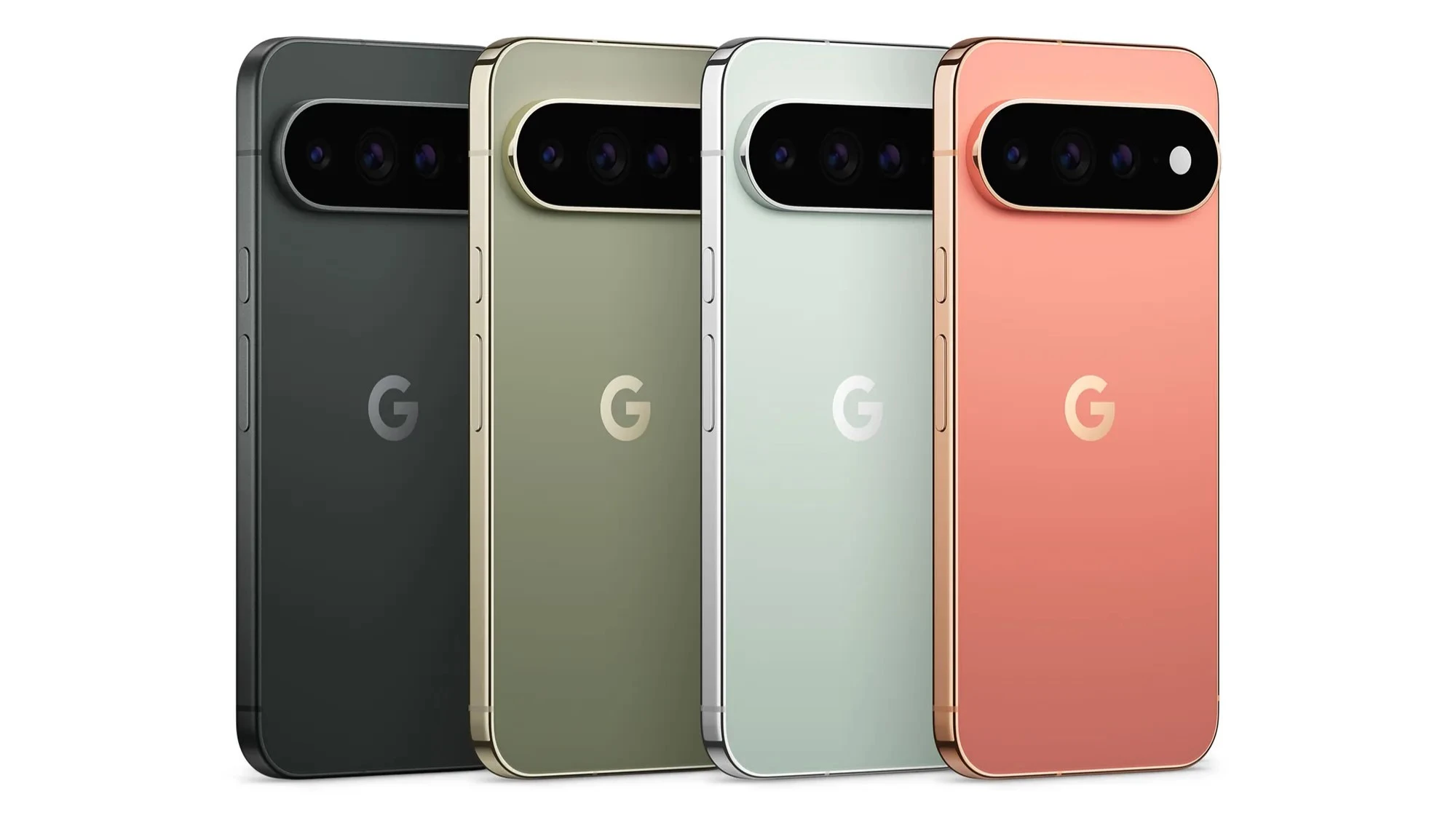
The Pixel 11, Pixel 11 Pro, and Pixel 11 Pro XL are available for pre-order starting at $899, $1,099, and $1,299, respectively / Photo: Google
On August 12, Alphabet unveiled its new Google Pixel 11 smartphone lineup, making the most advanced version of Gemini with agent capabilities to date the centerpiece of the devices. The Pixel 11 was released just a few weeks before Apple is expected to unveil a completely redesigned Siri powered by Google’s AI models, CNBC notes.
Details
Google's new lineup of smartphones includes the Pixel 11, Pixel 11 Pro, Pixel 11 Pro XL, and Pixel 11 Pro Fold. The first three are already available for pre-order starting at $899, $1,099, and $1,299, respectively, and will go on sale on August 20.
In promoting its new devices, Google is placing just as much emphasis on Gemini Intelligence —a set of artificial intelligence features capable of understanding what the user is doing on their smartphone and performing actions across various apps.
For example, Gemini Intelligence can combine information from messages, the calendar, Maps, and other Google services, and then suggest next steps or take action on its own: check availability, compare travel options, or start booking a table at a restaurant. Google is also expanding the range of AI features that run directly within the smartphone’s operating system, without the need to open a separate chatbot.
According to Google, AI has the potential to radically change the way people interact with smartphones, said Rick Osterloh, head of Google’s devices division, in an interview with CNBC. “Over the past 10 to 15 years, the ways we use laptops and cell phones have remained virtually unchanged,” Osterloh said. “But we believe that the situation is about to change radically.”
He described Gemini Intelligence as “a completely new way to interact with a computer”: its agent capabilities allow users “not only to find information, but also to get specific tasks done.”
Competition with Apple
The launch of the Pixel 11 puts Google in an unusual position: the company is now competing directly with one of its largest AI clients, CNBC notes. Apple is rebuilding Siri using Google’s Gemini models, and many of its goals are similar to those Google is now demonstrating in the Pixel: understanding users’ personal information, recognizing what’s happening on the screen, and performing actions across different apps.
When asked by CNBC whether the Pixel has an edge over the iPhone in terms of being able to showcase Gemini’s potential sooner, Osterlo noted that the user experience on the two platforms is unlikely to be the same. “I think it’s quite obvious that the Pixel and the iPhone are evolving in very different directions,” he said. “The Pixel’s product strategy has always been driven by a desire to be the first to adopt new technologies—and this is especially true for Gemini and AI.”
Among the features that set Google’s solutions apart, Osterlo cited the fraud detection feature, Rambler’s voice transcription technology, and Gemini’s deeper integration with Android. “All of this is unique to Android and Gemini Intelligence,” he said. “That’s why I think, if you want to try out these features, you’ll want to buy a Pixel or another Android phone.”
How to Start a Device Update Supercycle
For both companies, the key question is whether new AI features are enough to convince consumers to buy new smartphones. Osterlo acknowledged that AI is not yet the main reason people upgrade their devices, although its importance to consumers has grown significantly in recent years.
According to Counterpoint Research, AI currently ranks roughly sixth or seventh among the reasons consumers decide to upgrade their smartphones, CNBC reports. However, in recent surveys, this factor has moved up one or two spots as the capabilities of Gemini and Apple Intelligence have evolved. Tarun Pathak, research director at Counterpoint, stated that compelling use cases and increased consumer awareness are critical to turning this growing interest into actual smartphone upgrades. He expects Apple Intelligence to become a driver of iPhone upgrades, noting that Apple already has more smartphones with generative AI support in consumers’ hands than any other brand.
Ultimately, Google expects Gemini AI to become a much more important part of how people interact with their devices. “We believe its importance will grow, and perhaps someday it will become the primary way people use their phones, laptops, and other devices,” Osterlo said.
Component Shortage
Google, like Apple, has faced a component shortage. “It’s quite clear that there’s a shortage of memory—both RAM and flash memory,” Osterlo told CNBC. “In the short term, I think the following is happening: everyone has to raise prices. We, too, have already said that we, like everyone else in the industry, will have to raise ours.”
This article was AI-translated and verified by a human editor