Highlights of the week: Musk's revelations in court, UAE quits OPEC, Big Tech reporting

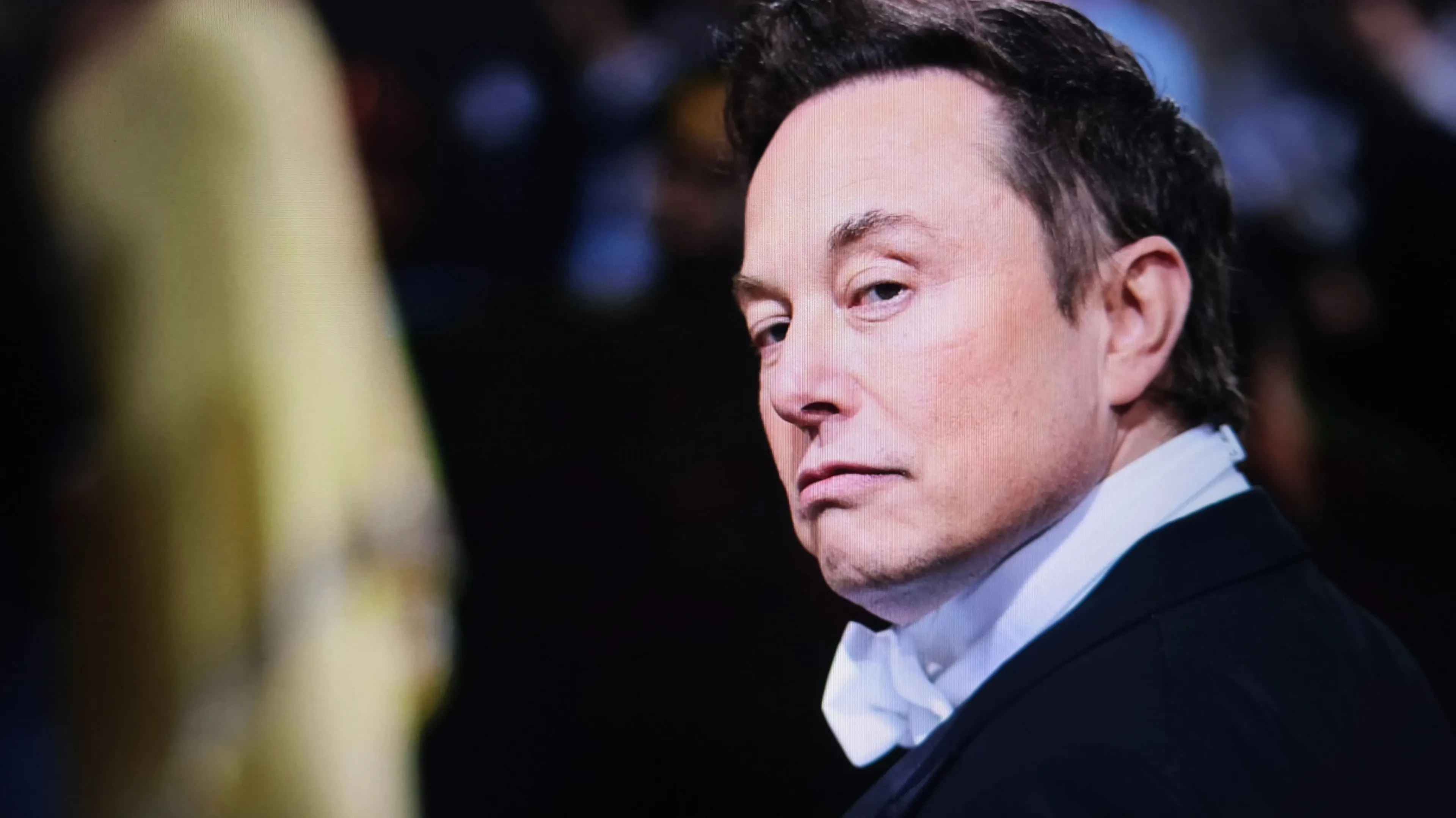
Billionaire Elon Musk testified in court on his lawsuit against OpenAI. Photo: FotoField / Shutterstock.com
The UAE withdrew from OPEC and OPEC+. Court hearings on Elon Musk's lawsuit against OpenAI began in the USA. Five companies from the "Magnificent Seven" and two of the largest oil and gas companies in the United States presented quarterly reports. What can we learn from them? Fed and ECB kept rates unchanged - risks for the economy are growing due to the war in the Middle East. The main events from Ma 27 to Ma 1 are in our review.
UAE has withdrawn from OPEC and OPEC+
The UAE announced its withdrawal from OPEC and OPEC+ from May 1, the country wants to manage production levels independently after years of restrictions within the two associations. The Emirates, the third largest producer in the group, believes the move will not have a significant impact on the market, as it is currently facing a supply shortage due to the de facto blockade of the Strait of Hormuz. Before the Iranian war, 20% of the world's oil supplies passed through the Strait.
The UAE's decision is a blow to the ability of OPEC and OPEC+ to influence prices on the global oil market. Prior to the war in the Middle East, the country produced 3.4 million barrels per day, almost 12% of total OPEC production and 8% of OPEC+ production.
What else is there to read about it?
Sergey Pigarev, Senior Analyst at Freedom Finance Global, wrote in his article "The UAE Leaves OPEC: Who Will Be the Winner and Who Will Be the Loser".
How the decision of the Emirates will affect the future work of OPEC and OPEC+, argues analyst of Arbat Capital Advisory Services Limited (UK) Alexei Golubovich in the material "OPEC "breakdown": what questions about the future of the organization remained after the withdrawal of the UAE.
Exxon Mobil and Chevron report: how the war in Iran has affected the US oil and gas sector
On Friday, May 1, the two largest oil and gas companies in the United States - Exxon Mobil and Chevron- published their quarterly reports. And by their indicators one can judge the impact of the war in Iran on the American oil and gas business. Exxon's net profit fell by 45% to $4.2 billion, while Chevron's net profit fell by about 37% to $2.2 billion. Both companies' profits exceeded Wall Street's expectations.
Exxon, according to its CEO Darren Woods, has about 15% of its production affected by the war - it has projects with local companies in Saudi Arabia, Qatar and the UAE. Exxon believes its Middle East production will be down 750,000 bpd from a year ago if the Strait of Hormuz is closed for the entire second quarter. Chevron, according to its CEO Mike Wirth, is less affected by the war than its competitors, with its operations in Saudi Arabia, Kuwait and Israel relatively small compared to assets in the Americas, Asia and Africa. He said in an interview with CNBC.
Woods said on a call with investors that the global oil market has yet to feel the full impact of the oil and gas supply disruptions. He said Exxon is ramping up production in the U.S. and Guyana, but is not backing off from earlier operational and investment plans. Wirth warned that in the U.S., the most serious supply crisis is in California, and "it's already gotten to the end user," the Wall Street Journal reported.
Both companies are more actively loading their refineries in order to take advantage of rising oil prices due to the war in the Middle East. Exxon's refining in March increased by 200 thousand barrels per day compared to the previous month. Chevron's refineries in the U.S. operated at record capacity, WSJ reports.
What else is there to read about it?
More about the reports of both companies - in the material of Oninvest correspondent Ivan Lapshin "Profits of Exxon Mobil and Chevron fell amid the war with Iran, which disrupted oil supplies".
On Friday, May 1, the White House sent a letter to the U.S. Congress about the termination of the United States' participation in hostilities against Iran. But this does not mean the end of the war - details in Oninvest editor Rinat Tairov's piece "White House notifies Congress of 'cessation' of hostilities in conflict with Iran - AP".
The Fed kept rates unchanged and faced record disagreement
The Fed left the rate at 3.5-3.75% for the third time in a row, as the market expected. But the decision was accompanied by the largest disagreements in the Open Market Committee in almost 35 years - four out of 12 members disagreed either with the decision itself or with the wording in the final message of the regulator.
What does the US economy show? The country's GDP in the first quarter grew by 2% in annualized terms, while market participants expected growth of 2.2%. The Fed's "favorite indicator" when making decisions on the MPC - the index of personal consumption expenditures, both basic (excluding the impact of food and energy prices) and full - grew by 3.2% and 3.5% in March, respectively. February's figures were 3% and 2.8%, respectively.
This rate meeting was the Fed's last before Jerome Powell's departure - his term as chairman of the US central bank expires in May. Powell's likely successor, Kevin Warsh, has already signaled a readiness for a softer policy and a revised approach to inflation.
ECB keeps rate on hold amid rising stagflation risks
The ECB left the rate at 2% for the seventh consecutive time, confirming that it is still taking a wait-and-see stance due to the war in the Middle East.
The regulator noted that the risks of accelerating inflation and slowing economic growth have intensified.
Eurozone GDP grew by only 0.1% in the first quarter. Inflation in annualized terms in April amounted to 3% - this is the maximum since September 2023. For comparison, in March prices rose by 2.6%. The main increase in inflation in April was provided by energy carriers - they rose in price year-on-year by 10.9% against March's 5.1%.
Big Tech reports: the ongoing AI race and surprises from Apple
Five of the Magnificent Seven companies released quarterly reports this week.
- Meta 's revenue for the quarter rose 33% to $56.3 billion and beat forecasts, but the company noted a slight decline in daily audience quarter-on-quarter due to internet disruptions in Iran and WhatsApp blocking in Russia. Meta also raised its 2026 capex forecast to $125-145 billion c $115-135 billion, which it attributed to expectations of higher component prices and additional data center costs. The day after the report was published, its shares fell 8.55%. Investors fear that large-scale investments in AI may not pay off.
- Alphabet 's revenue rose 19% to $109.9 billion, the fastest pace since 2022, while its cloud division grew 63%. Earnings per share jumped 82% to $5.11, although analysts expected EPS of $2.63. The point is probably the revaluation of Elon Musk's SpaceX assets, in which Google has approximately 6%. Alphabet also raised its capex forecast to $180-190 billion (from $175-185 billion) in 2026 and warned of further growth in AI investments.
- Amazon reported a more than 60% year-over-year increase in property and equipment spending, to $59.3 billion (mostly due to investments in AI), and a sharp - 22-fold - drop in free cash flow, to $1.2 billion over the past 12 months. Revenues increased 17% to $181.5 billion, with the cloud division up 28% to $37.6 billion.
- Microsoft' s revenue growth was 18%, the figure equaled $82.9 billion, it exceeded market expectations, and the company's cloud division increased sales by 29%. The annualized revenue rate (ARR) of the AI division increased by 123% to $37 billion. The company's CFO Amy Hood allowed the possibility of accelerating Azure's revenue growth rate in the current quarter to 39-40%, although analysts expected growth of 37%.
- Apple reported revenue growth of 17% to $111.2 billion and earnings per share growth of 22% to $2.01. Both figures beat analysts' expectations. The company, according to its CEO Tim Cook, recorded "exceptional demand" for the iPhone 17, giving it its strongest financial results ever for this period of the year. At the same time, total iPhone sales fell slightly short of analysts' expectations - $56.99 billion versus $57.21 billion. The forecast for sales growth for the current quarter is 14-17%, although analysts had expected an increase of only 9%, Bloomberg wrote.
Ackman led Pershing Square's IPO, but raised less than expected
Billionaire Bill Ackman took Pershing Square's two structures public in the U.S. in a combined offering and raised about $5 billion instead of the originally reported $10 billion. This is his second attempt to take Pershing Square public in an IPO.
About 85% of demand was provided by institutional investors. During the offering, participants were offered a stake not only in the closed fund, but also in the management company. On the first day of trading, Ekman himself also bought shares in both structures.
What else is there to read about it?
The listing was an important step in Eckman's strategy to turn Pershing Square into a Berkshire Hathaway analog. The details of the IPO and the billionaire's investment strategy were described by Oninvest correspondent Albert Fakhrutdinov in the article "Bill Eckman's $5 billion IPO of Pershing Square in the U.S. at the second attempt".
Musk has accused OpenAI of "looting" and is demanding that its restructuring be canceled
A California court has begun hearings on Elon Musk's lawsuit against OpenAI and its CEO Sam Altman. The billionaire filed the suit back in 2024. He demands to cancel OpenAI's transition to a commercial business model and return the startup to the status of a non-profit research organization.
One of the co-defendants is OpenAI's key investor, Microsoft.
Musk has already given his first testimony. He stated that he played a key role in the creation of OpenAI and invested about $38 million in the startup. In court, he called himself "a fool who gave free money" and the subsequent transformation of OpenAI into a commercial structure - "looting".
If Musk wins in court, it would jeopardize OpenAI's plans for a $1 trillion valuation IPO.
What to read about it?
The history of the creation of OpenAI and the positions of the defendants - in the material of Oninvest editor Julia Kotova "Confrontation with Google and concern for humanity: Musk described the creation of OpenAI in court".
What the richest man in the world accuses the management of the startup - in the material ""I was a fool who gave free money": Musk spoke in court against OpenAI".
This article was AI-translated and verified by a human editor