HSBC decided not to hold a board meeting in Dubai due to security risks

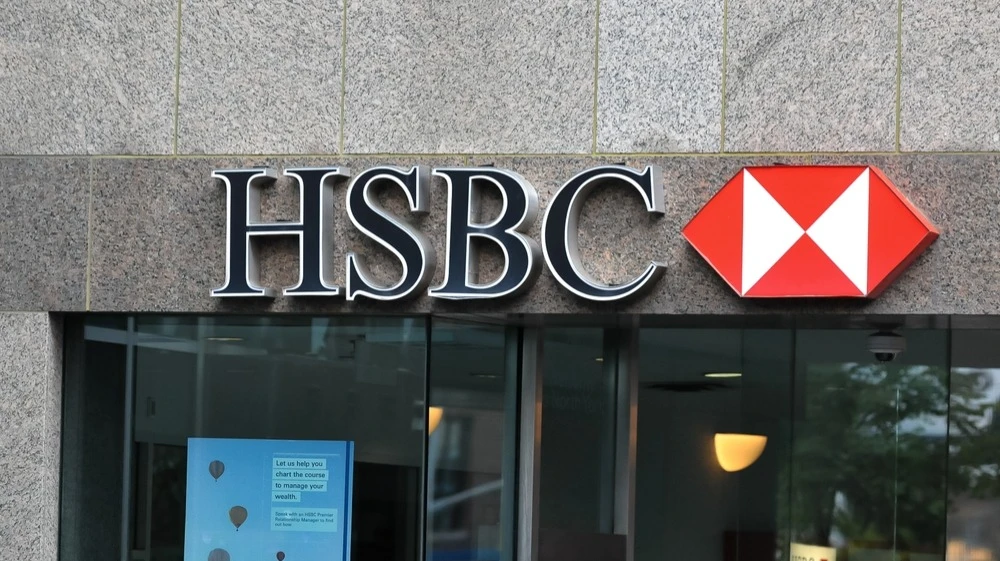
HSBC moved its board meeting from Dubai to London due to security concerns / Photo: ACHPF / Shutterstock
HSBC, Europe's largest bank, has moved its board meeting—originally scheduled for late September—from Dubai to London amid concerns for employee safety; the war in Iran continues to complicate business travel to the region, the Financial Times reports, citing sources.
Details
The decision to postpone the trip was made after HSBC employees in Dubai raised security concerns, sources told the FT. The bank is currently allowing travel to the region only for “business-critical” reasons, the source added. “Local managers continue to face many challenges,” said one unnamed senior banker, emphasizing that they need to ensure the safety of both their families and employees on the ground. “The issue with foreign employees remains a concern,” he added.
The bank itself declined to comment to the publication.
Why the Middle East Is Important to HSBC
For HSBC, the decision to reschedule the board of directors meeting was particularly sensitive: The Middle East plays a key role in the bank’s growth strategy, as it seeks to expand its presence in the region, given the volume of capital and its flows between the Gulf states and Asia, the FT notes.
Dubai serves as HSBC’s regional headquarters for the Middle East, where the bank is the largest foreign lender. Last year, HSBC reported $800 million in pre-tax profit in the UAE—down from approximately $1 billion the year before. The bank’s board of directors typically holds nine meetings a year in various cities, including Hong Kong and London, which are key to its business; in 2024, the bank’s management had already gathered in Dubai, where they met with UAE Prime Minister Sheikh Mohammed bin Rashid Al Maktoum.
Context
In the first months of the war, Iran launched nearly 3,000 missiles and drones at the UAE, and although most of them were intercepted, the attacks undermined Dubai’s long-standing reputation as a safe destination for business and tourism.
Since mid-May, Iran has not launched any direct attacks on the UAE, allowing daily life and business in the financial hubs of Dubai and Abu Dhabi to return to normal. Nevertheless, tensions in the region persist: the U.S. and Iran remain in a state of smoldering conflict that could flare up again, and the U.S. and British governments continue to advise their citizens to refrain from traveling to the region.
This article was AI-translated and verified by a human editor