Banks Are Tightening Oversight of AI-Related Debt — Reuters. What Are the Risks for Investors?
At the same time, Microsoft, a major customer, is tightening oversight of its contracts with neo-cloud providers

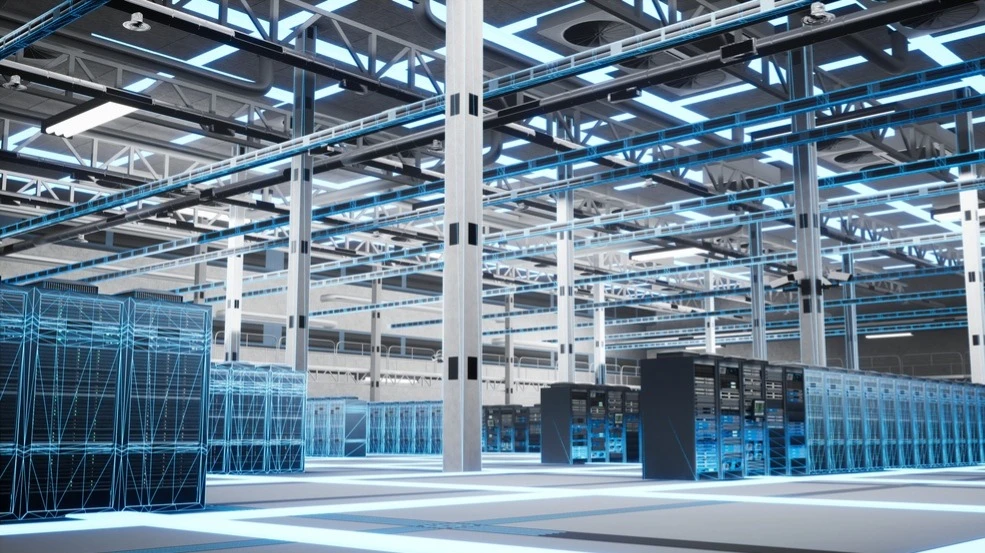
Banks and investors are becoming wary of AI-related loans / Photo: DC Studio / Shutterstock
Banks and investors in debt instruments are tightening their scrutiny of debt transactions related to artificial intelligence and are reluctant to increase their exposure to such borrowers, Reuters reports. Sentiment has shifted in just the last few days—following a record-breaking sell-off of AI stocks. Elon Musk had already spoken about Neocloud’s difficulties with borrowing money back in late October.
Details
Some banks are telling market participants that they are in no hurry to allocate funds to new projects—even if they are backed by guarantees from leading technology companies in the sector, Reuters reports, citing sources in the banking and lending sectors.
According to two people who spoke with the agency, the situation has changed in just the last few days. Some lenders are reluctant to finance deals, even when they involve companies such as Anthropic and Google, sources told Reuters, without specifying the names of the banks.
Anthropic and Google declined to comment to Reuters.
What does that mean?
Hyperscalers and neoclouds—providers of computing power—are rushing to borrow money to finance data centers, chips, and infrastructure, but are increasingly finding that lenders are skeptical about the wisdom of increasing investments in a sector that already accounts for a significant share of their portfolios, according to Reuters.
In addition, investors and lenders are conducting cash flow stress tests in case of an economic downturn, sources told the agency. Banks are carefully reviewing the details of contracts for AI infrastructure projects. In particular, they are analyzing service obligations, as well as the terms and conditions under which a major tech giant could reduce or terminate the agreement, Reuters sources noted.
Chip manufacturers typically act as guarantors for the principal debt used to finance AI companies’ purchases of cutting-edge chips, and they also ensure payments on long-term data center leases. Until recently, banks and private lenders were eager to provide such loans precisely because of these repayment guarantees.
A possible pause in the construction of AI data centers will reduce lending and revenues for investment banks that have been profiting from loans, bonds, and stocks in this rapidly growing sector, Reuters notes.
Some planned bond offerings linked to data centers and chips are already being postponed, according to Reuters. According to one of the agency’s sources, Nebius was considering issuing high-yield bonds in September but decided to abandon the plan in October. The company did not respond to a request for comment from Reuters.
Shares of leading cloud providers surged during trading on November 9 as part of a broader rally in U.S. markets. For example, Nebius shares rose 7.5%, CoreWeave shares rose 6.4%, and IREN shares rose 0.6%.
What Analysts Are Saying
“Over the past year, there has been unbridled enthusiasm for lending to neo-clouds—anyone building data centers or any kind of AI-related assets,” said Chris Podgi, a partner specializing in finance at the law firm Ropes & Gray. “Debt investors’ portfolios are overflowing, and now they’re assessing whether they’ve reached their lending limit for this year,” he added.
According to Goldman Sachs’ forecasts, global debt issuance by hyperscalers will reach $420 billion in 2027, which is more than 60% higher than the estimate of $250 billion for fiscal year 2026.
Since the beginning of the year, the spread on 10-year debt obligations of hyperscalers has widened by about 50 basis points, compared with an increase of about 20 basis points for reliable industrial companies not involved in AI, said Bank of America credit analyst Yuri Seliger.
"Most banks and credit investors will adopt a wait-and-see approach," said Jay Bala, co-founder and CEO of AIP, an alternative asset management firm.
Context
The lending situation was exacerbated by a stock market crash: on Thursday, November 5, the Nasdaq 100 index lost $2.5 trillion in market value and entered correction territory, the agency notes. The results of the U.S. midterm elections, which point to tighter regulation of data centers, are causing further concern, Reuters notes.
Against the backdrop of creditors tightening their requirements following the recent collapse of the AI stock market, companies such as CoreWeave, Nebius, and Oracle have faced restricted access to debt markets and have had to revise the parameters of their infrastructure projects, The Wall Street Journal reported. SpaceX CEO Elon Musk predicted in October a “mass extinction” of non-cloud companies due to difficulties in raising funds.
Microsoft has stepped up oversight of data center projects being built by third-party providers of artificial intelligence computing power under contracts with the company—specifically, Nebius Group, IREN, and Nscale, according to Bloomberg.
This article was AI-translated and verified by a human editor