"A Worst-Case Scenario": Why the Risk of Nvidia's CEO Leaving Is Dangerous for the Entire AI Industry
The scandal threatens to further complicate the situation in the AI market, which is already under pressure

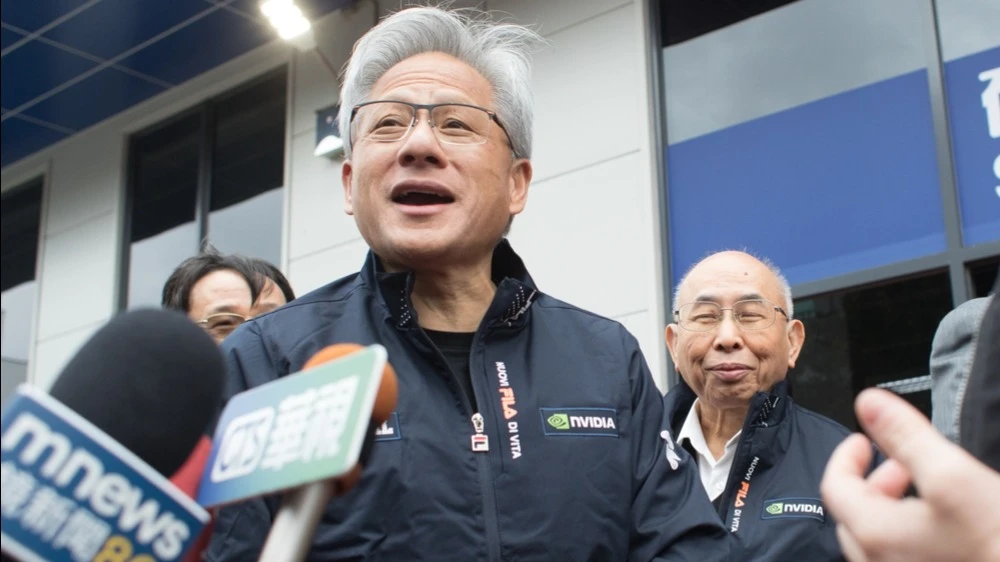
Wall Street is calling the forced resignation of Nvidia's CEO following an internal investigation one of the worst-case scenarios for investors / Photo: jamesonwu1972 / Shutterstock.com
Bloomberg reports that the investigation into Nvidia CEO Jensen Huang raises complex questions that, until recently, seemed unthinkable. One of the main questions is whether Huang, who wields enormous influence in the industry, could lose his position. But the possible scenarios investors need to consider could affect not only Nvidia and Huang themselves, but also the entire artificial intelligence industry, the agency believes.
Why the scandal surrounding Huang isn't just about Nvidia
Nvidia remains the largest player in the global market for artificial intelligence chips, with a market share of over 60%, according to estimates by the analytics firm Epoch AI. But Nvidia is not just a supplier—it is also a major investor and lender to many hardware manufacturers and cloud providers. Therefore, Huang’s forced removal as CEO following the investigation could trigger panic across the entire AI sector, warns Barron’s.
The world's largest manufacturer of AI chips has used its resources to support dozens of market players—from cutting-edge labs like OpenAI to cloud computing companies such as CoreWeave and Nebius. In addition, Nvidia has invested in strengthening AI supply chains and supporting startups—Nvidia’s customers—as Bloomberg notes. Earlier this year, Nvidia struck a deal with six Wall Street giants to “mobilize” $500 billion in capital, which was essentially intended for AI model developers and cloud providers.
Barron’s believes this customer financing strategy could be called into question if Nvidia’s CEO were to change.
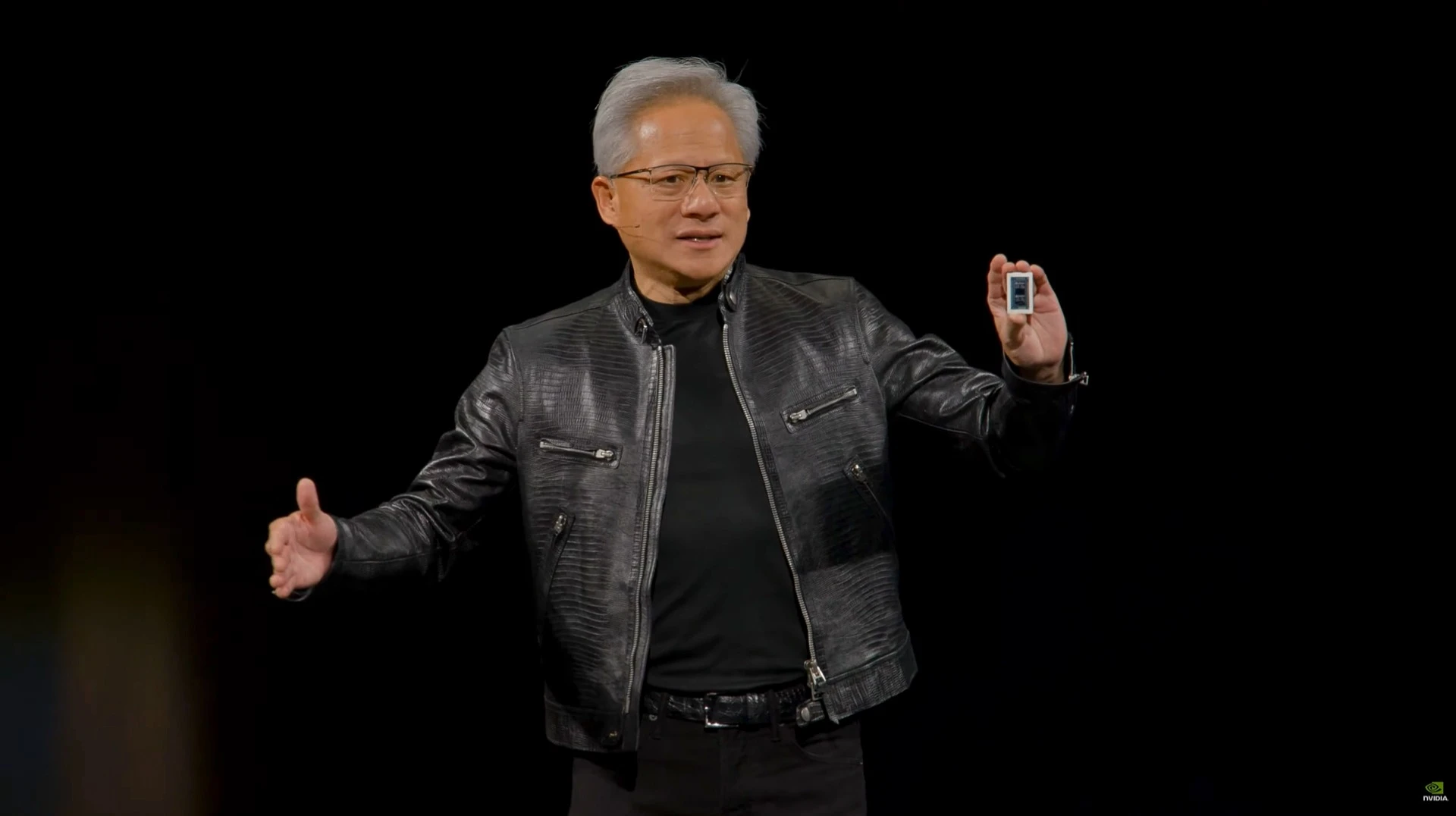
Huang played a key role in mobilizing funding for the expansion of AI infrastructure, helping other companies raise money to purchase Nvidia chips, confirms Brian Colello, a senior equity analyst at Morningstar. He believes that large companies are unlikely to cut back on their spending on Nvidia purchases due to the uncertainty surrounding the company’s CEO. However, if one of the industry’s most influential executives stops personally coordinating such deals, the cost of raising capital for future investments could rise, the Morningstar analyst told CNN.
What consequences might the investigation at Nvidia have?
The worst-case scenario would be Huang's forced departure coinciding with the U.S. authorities' consideration of possible restrictive measures against Nvidia, according to Yegor Tolmachev, senior equity analyst at Freedom Broker.
“Depending on the circumstances, Nvidia’s stock could plummet by 10–30%,” he wrote. “The extent of the decline will depend, in particular, on how influential Huang’s successor turns out to be and how severe the sanctions imposed on the company will be.”
However, a prolonged period of uncertainty amid hearings in the U.S. Congress may be the more likely scenario, according to Barron’s. The chairs of three House committees—the Foreign Affairs Committee, the Special Committee on China, and the Intelligence Committee—have already invited Huang to a closed-door briefing.
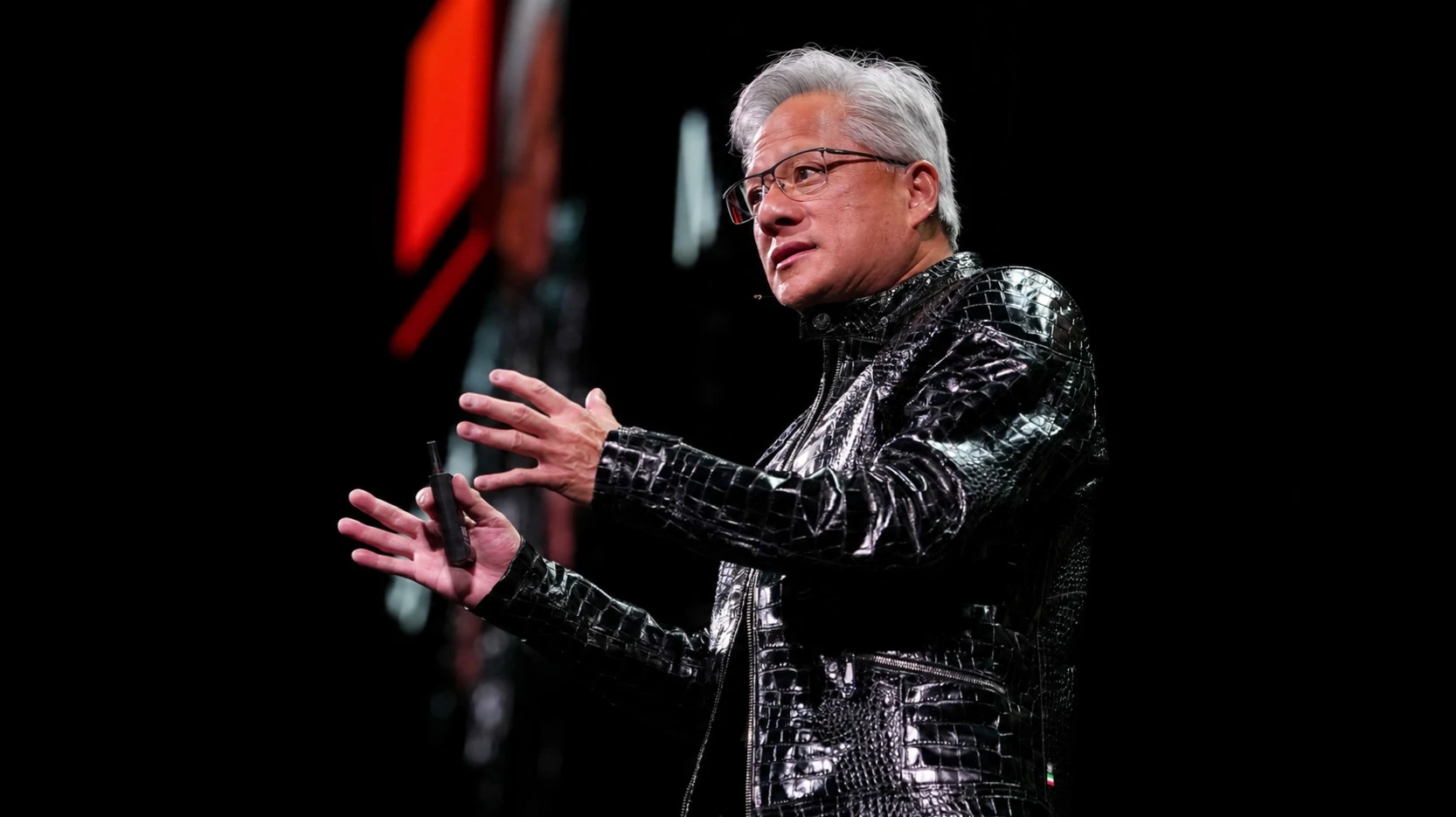
Huang is in a relatively vulnerable position compared to many other tech executives, Barron’s notes. Nvidia does not have a dual-class stock structure that would grant the CEO disproportionately large voting rights—as is the case at Meta and SpaceX. Furthermore, according to FactSet data, Huang owns only 3.4% of Nvidia’s shares. These two factors mean that the board of directors or investors could potentially remove him from office—for example, for violating the corporate code of conduct, which requires employees to avoid conflicts of interest.
Could Huang really leave because of the affair?
So far, the stock market’s reaction suggests that investors believe he will retain his position, Barron’s notes. After the Nvidia CEO disclosed a relationship with a woman whom U.S. intelligence agencies suspect of having ties to Chinese intelligence, the stock fell nearly 9%, wiping out nearly $400 billion in market capitalization.
However, the decline would have been much steeper had investors believed that Huang would definitely leave Nvidia, according to Barron’s. “We believe that Jensen Huang’s removal as CEO would be an extremely undesirable scenario,” said Ken Mahoney, CEO of Mahoney Asset Management. “If that were to happen, we believe the company’s stock would find itself in an even tougher position than it is now.”
“The problem at Nvidia is that Jensen doesn’t have a clear successor,” wrote Ben Reitzes, an analyst at Melius Research, in a research note on November 9. “We expected him to remain in his position for at least another 10 years.”
On November 9, Goldman Sachs Research analyst James Schneider reaffirmed his “Outperform” rating and $300 price target for Nvidia shares. He noted that following the recent sell-off, the company’s position “looks favorable” ahead of its earnings report in mid-November.
This article was AI-translated and verified by a human editor