Huang's affair has dragged Nvidia into a spy scandal. What does this mean for investors?
The world's largest chipmaker's reliance on a single person poses a risk to its stock

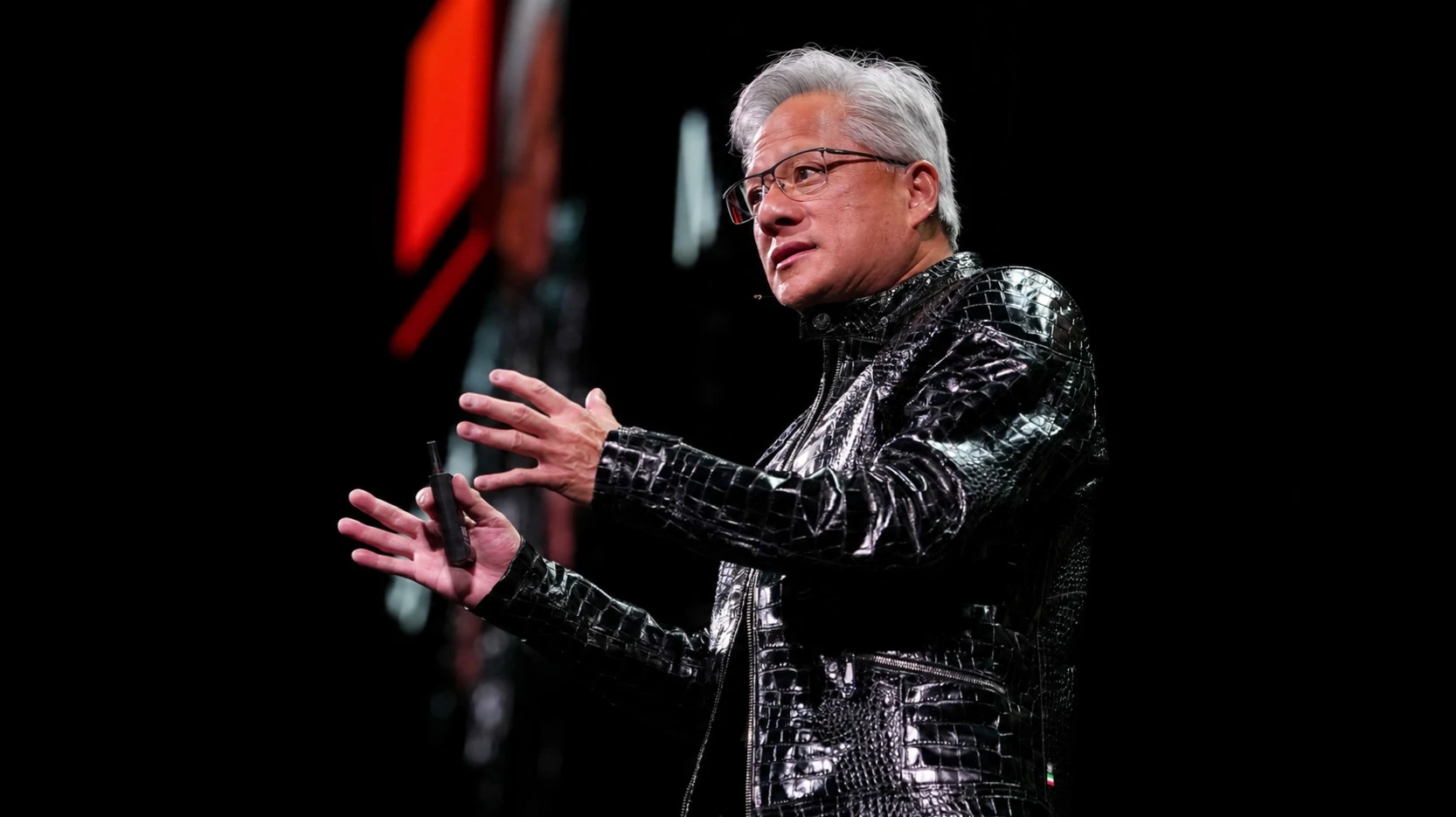
Nvidia is extremely dependent on Jensen Huang, and there is no obvious replacement for him / Photo: X/Nvidia
Nvidia CEO Jensen Huang has admitted to an extramarital affair with a woman whom U.S. authorities suspect of collaborating with Chinese intelligence, according to Bloomberg. The board of directors at Nvidia—the leading manufacturer of AI accelerators for data centers— has launched an internal investigation to determine whether Huang has been targeted by foreign intelligence agencies. For shareholders, the main question now is whether Huang will retain his position.
The scandal reached the board of directors
A committee of independent board members, assisted by outside lawyers, will oversee the investigation. The board “has no reason to believe” that U.S. national security or Nvidia’s secrets have been compromised, but it will review all available information, the company said. Huang has committed to cooperating with the review, and board members have confidence in him and his leadership team.
In a letter to employees on November 8, Huang apologized to his family and wrote to his colleagues, partners, and shareholders: “It is my duty to serve you and be worthy of your trust. I have failed in that duty.” According to Bloomberg, he was having an affair with Alice Huang, a former top executive at Singapore-based Megaspeed (she is not related to the Nvidia CEO). Megaspeed purchases AI chips from Nvidia, and U.S. authorities suspect the company of helping Beijing obtain advanced chips that are banned from being shipped to China, Reuters reports. Back in late October, Huang told Bloomberg that his relationship with Alice Huang was “completely normal,” Reuters notes.
Nvidia Rests on Huang
Huang is a co-founder of Nvidia; he has led the company for more than 30 years and intends to remain in his position for at least another decade. He has built a management structure around himself that lacks the usual hierarchy: executives who report directly to him quickly carry out his decisions, according to Bloomberg.
According to Huang, this system allows the company to adapt flexibly to rapidly changing technologies. But there is a downside: there is no ready-made candidate within the company capable of taking on Huang’s demanding schedule, Bloomberg reports. Nvidia also has no public succession plan.
Huang’s admission shows just how significant the “key man risk”—the company’s dependence on a single individual—is for Nvidia, according to Bernstein analyst Stacey Rasgon. “Nvidia is an atypical company, and Jensen is an atypical CEO. He is Nvidia,” Bloomberg quotes him as saying. According to Rasgon, Huang himself sets the long-term strategy and personally oversees most of the company’s operations.
Investors are awaiting the outcome of the audit
"The weekend's news is hard to view as anything other than negative," noted a Bernstein analyst. By noon Astana time, Nvidia shares on the U.S. over-the-counter platform Blue Ocean had fallen 5.7% from the Nov. 6 closing price, to $176.1.
The findings of the investigation will play a key role, according to Dan Ives of Yorkville Ives & Co. In a note to clients cited by Yahoo Finance, he expects Huang to retain his position for the time being, but warns: “Clearly, there is a risk that, depending on the outcome of the investigation, the board will remove Jensen from his position as CEO. This would add risk to the stock, as he is very important to Nvidia and its global strategy.”
Ives also expects U.S. authorities to monitor chip sales to China more closely—one of the main points of contention in Washington. On November 4, influential Republicans in the House of Representatives called on Huang to testify before Congress in connection with a New York Times article about his relationship with Alice Huang. According to them, this information raises “serious concerns” about national security due to China’s access to sensitive U.S. technologies, Reuters reports.
In October, Nvidia’s market capitalization reached a record high of nearly $5.8 trillion, but then fell below $5 trillion, according to Bloomberg. The company will release its quarterly report on November 17 after the U.S. market closes. The investigation is likely to dampen investor sentiment, but in the long run, it won’t change anything unless it leads to a change in leadership, according to Josh Gilbert, a senior analyst at the trading platform eToro. “In that case, it would be a completely different story,” Reuters quotes him as saying.
This article was AI-translated and verified by a human editor