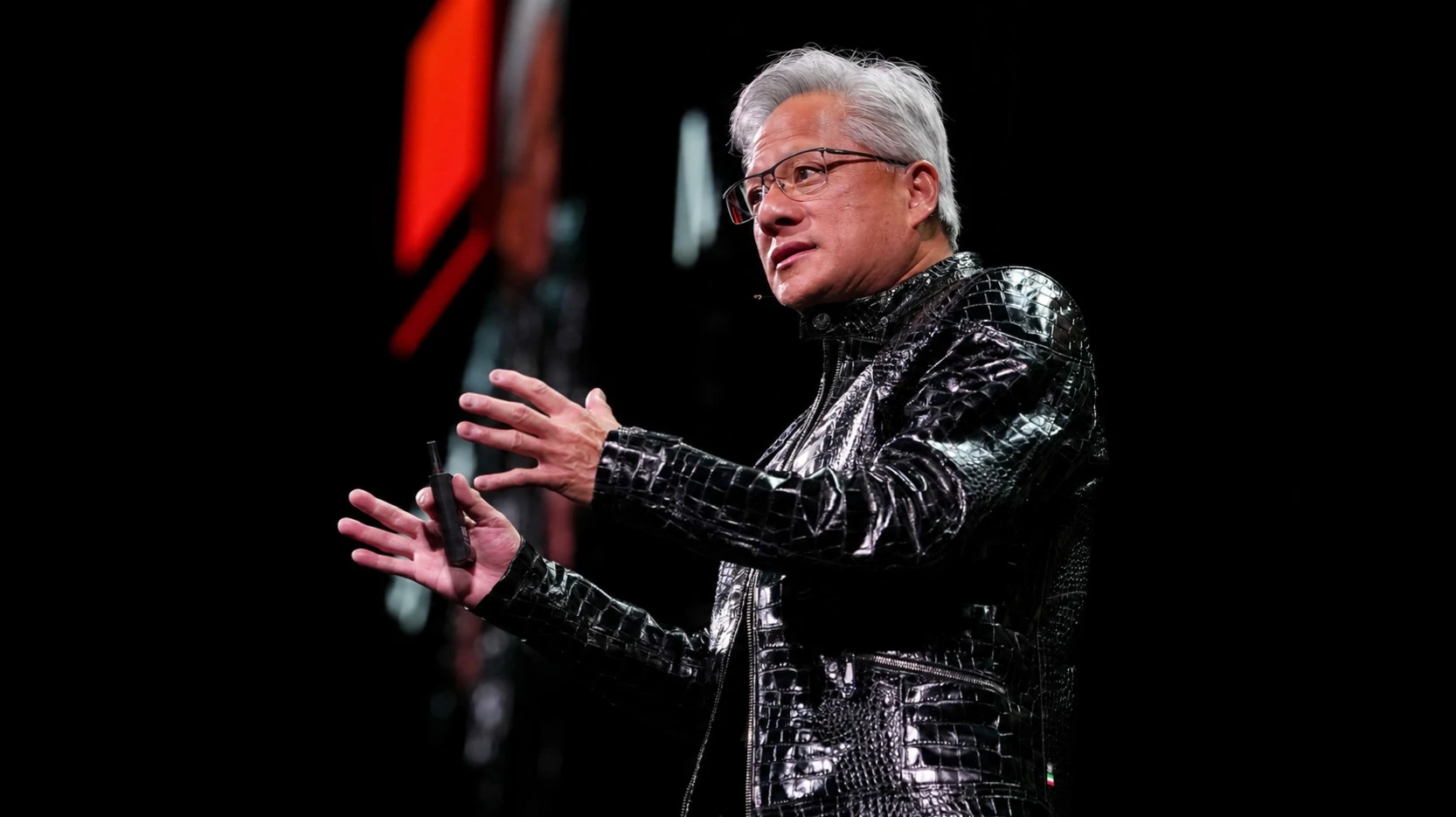
Morning Highlights: Nvidia Shares Fall, Gold Prices Top $4,100

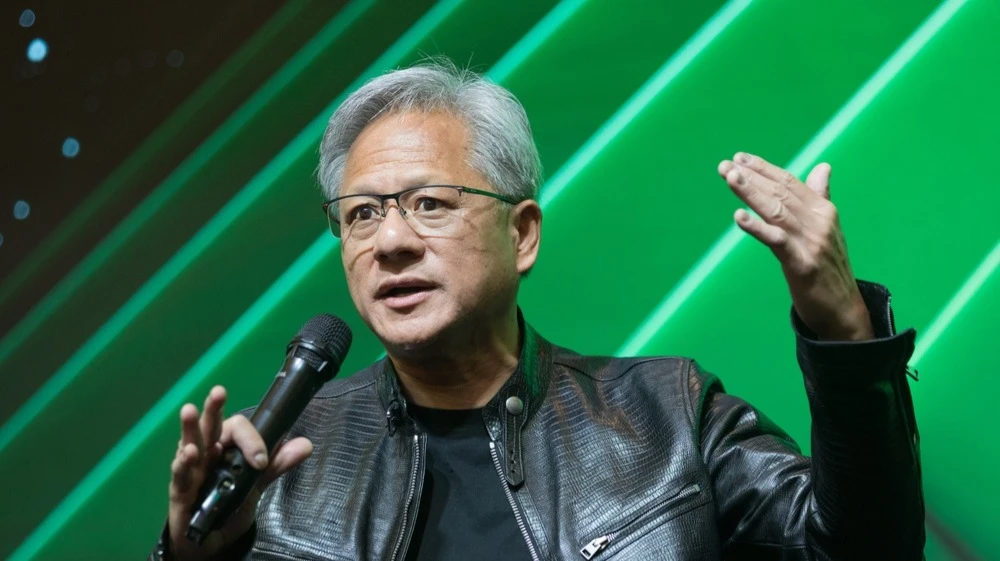
Nvidia's stock price fell after an internal investigation was launched into CEO Jensen Huang. Photo: jamesonwu1972/Shutterstock
Nvidia’s stock price fell after an internal investigation was launched into CEO Jensen Huang over his alleged ties to a woman whom U.S. authorities believe to be a Chinese intelligence agent. Amid investor concerns and falling oil prices, gold rose above $4,100. Read about these and other topics in our roundup of key events as of the morning of November 9.
Nvidia shares fell 4% amid an investigation into the company's CEO
Nvidia shares fell more than 4% before the start of the main trading session following the launch of an internal investigation into CEO Jensen Huang. The investigation stems from reports of his relationship with a woman whom U.S. authorities believe to be a Chinese intelligence agent. Huang admitted to company employees that he had been unfaithful to his wife but did not disclose any details, according to Reuters.
The investigation has raised questions about Huang's future as the head of Nvidia. Analysts warn that delays in the investigation could affect investment decisions and the company’s release of new products. However, South Korean authorities do not expect any disruptions in the supply of Nvidia chips that have already been ordered.
China has extended the suspension of additional tariffs on goods from the United States
China will suspend the 24% additional tariffs on U.S. goods for another two months, while maintaining the base rate of 10%, according to Bloomberg. The decision will take effect on November 10 and remain in place until January 10, 2027. Beijing has also extended the suspension of special fees for U.S. ships calling at Chinese ports until that date.
The extension of the trade truce was the result of September negotiations between Donald Trump and Xi Jinping. However, disagreements remain: the U.S. is demanding that China fulfill its commitments regarding agricultural purchases and the supply of rare earth metals. Another meeting between the leaders of the two countries is expected later in November, the agency reports.
Gold rose above $4,100 amid falling oil prices and Nvidia's troubles
Gold rose 1.4% on Monday to $4,131 per ounce, recouping Friday’s losses, according to Bloomberg. The rise was supported by falling oil prices, a weaker dollar, and an investigation into Nvidia CEO Jensen Huang, which heightened investor concerns and boosted demand for safe-haven assets. Silver gained 2.6% to $53.27 per ounce.
At the same time, further gains in gold prices could be held in check by the Fed’s tightening of monetary policy. Strong U.S. labor market data have reinforced expectations of a rate hike in December. Investors are now awaiting the release of inflation data on November 10, which could influence rate forecasts, the agency notes.
Chinese banks have sharply raised interest rates on dollar-denominated deposits to keep the yuan in check
More than six Chinese banks have raised interest rates on dollar-denominated deposits to their highest levels since 2023 in recent weeks, according to Reuters. In some cases, these rates have reached 4.5% per year, while interest rates on yuan-denominated deposits at the largest state-owned banks stand at just 0.95%. The rate hikes are encouraging companies and individuals to hold their savings in dollars.
According to Reuters sources, such measures could help curb the appreciation of the yuan, which has risen by about 10% against the dollar since the beginning of 2025, reducing the profitability of Chinese exporters. Last week, the yuan reached a four-year high, and the volume of foreign currency deposits in China rose to a record $1.2 trillion by the end of September. However, it is unclear whether the authorities instructed banks to raise interest rates.
The EU has filed a lawsuit against IBM over delays in the launch of a border control system
The EU agency EU-Lisa has filed a lawsuit against the U.S.-based IBM, the French company Atos, and the Italian company Leonardo over repeated delays in the development of the EES entry-exit system, according to the Financial Times. Its rollout was marred by technical glitches and hours-long lines at European airports. The system was originally scheduled to launch in 2022, but it did not become fully operational until 2026.
The EES requires the collection of fingerprints and photographs from travelers from countries outside the EU upon their first entry into the Schengen Area. Due to delays, the contract value rose from €142 million to €212 million back in 2021. The lawsuit was filed in Estonia in December 2025; no court hearings have been scheduled yet.
What's Happening in the Markets
— Japan’s broad-based Topix index rose 3%, while the Nikkei 225 rose 2.3%.
— Hong Kong’s Hang Seng Index rose 0.3%, while mainland China’s CSI 300 Index rose 0.2%.
— In South Korea, the Kospi and Kosdaq indices fell by 0.5%.
— Australia’s S&P/ASX 200 was virtually unchanged.
— Nasdaq 100 futures were unchanged, S&P 500 futures rose 0.3%, and Dow Jones Industrial Average futures were up 0.6%.
This article was AI-translated and verified by a human editor