IBM confirmed the weak results that spooked the market. What does the company expect now?

IBM Has Lowered Its Full-Year Revenue Growth Forecast / Photo: nitpicker / Shutterstock.com
Technology solutions provider IBM lowered its revenue forecast for 2026, releasing a quarterly report that largely confirmed the company’s warning issued last week. At that time, following the announcement of weak financial results, IBM’s stock experienced its worst day ever on the stock market—plummeting 25%. Investors’ reaction to the final results was not as severe. The company’s shares initially rose by nearly 2% in after-hours trading but then lost ground and closed slightly lower.
Details
As IBM reported, its revenue in the second quarter rose 1% year-over-year to $17.16 billion. Analysts’ expectations, even after being revised following the company’s earnings guidance, were for $17.58 billion, according to LSEG data cited by CNBC. Adjusted earnings per share rose 4.6% to $2.93, while Wall Street had expected $2.97. Net income fell by about 1% to $2.17 billion.
Based on its full-year 2026 results, the company now expects revenue growth of 4–5% in constant currency. Back in April, it had hoped for growth of more than 5%. At the same time, IBM confirmed its forecast of a $1 billion increase in free cash flow this year and expects to raise its annual pre-tax margin by approximately 1 percentage point through productivity gains.
What's happening with the company?
In a letter to investors dated July 14, IBM CEO Arvind Krishna cited weaker-than-expected sales of transaction processing software, as corporate clients shifted their primary spending toward hardware purchases in anticipation of expected price increases.
This has prompted investors to take notice of a new aspect of the AI boom: rising costs for servers, memory, and storage systems for neural networks are leaving companies with less money for other technology projects. Not only software has been affected, but also mainframes—the powerful computers that large businesses use to process mission-critical operations.
Business Insider columnist Alistair Barr suggested calling what is happening the “Mainframe-alypse”—the mainframe apocalypse.
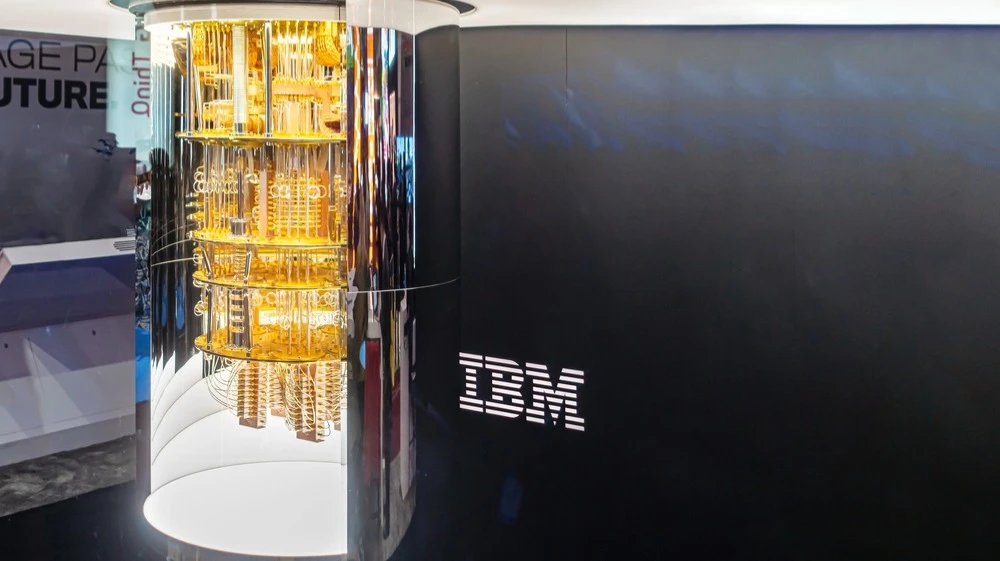
In its quarterly report, IBM reported that revenue from its high-margin software segment increased by 5% to $7.76 billion, while sales of Z mainframes plummeted by 42%.
This article was AI-translated and verified by a human editor