The End of the Pandemic Boom: Why LVMH Shares Fell to a Six-Year Low
The luxury giant's market capitalization has halved amid an exodus of middle-class customers

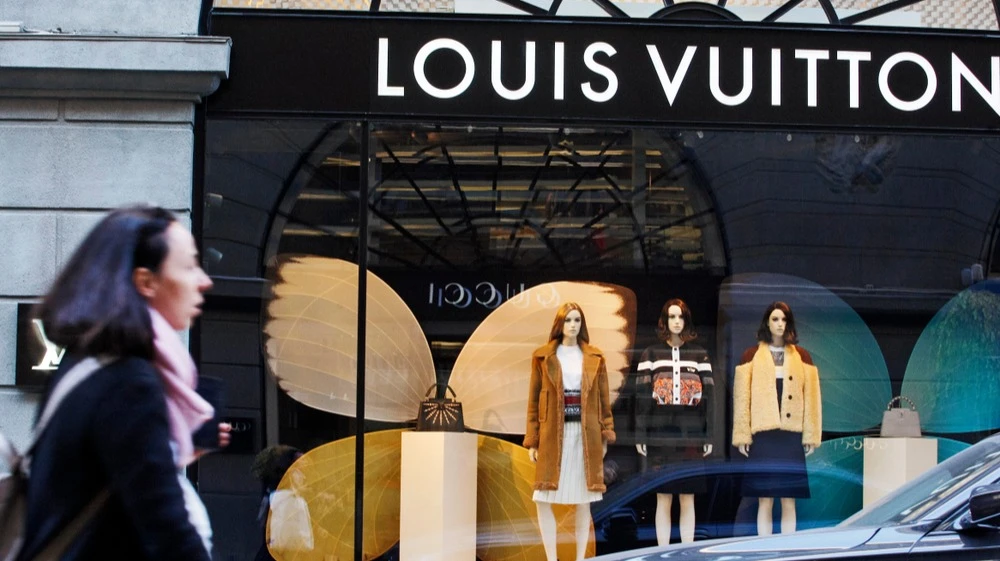
LVMH shares are in a clear long-term downtrend. Photo: viewimage/Shutterstock
The rally during the COVID-19 pandemic—which had made luxury goods manufacturer LVMH the most valuable company in Europe, with a market capitalization of $500 billion—has reversed course: The market capitalization of the group, which owns the Dior and Louis Vuitton brands, has more than halved from its 2023 peak to €213 billion—practically returning to January 2020 levels, according to the Financial Times (FT).
What's Happening with LVMH Stock?
LVMH shares are in a downtrend, notes Seeking Alpha: since the beginning of 2026, the company’s stock has fallen by approximately 33%—from €640 per share to around €430. Amid global investor doubts about the outlook for the luxury sector, the company’s stock hit a six-year low on the Paris Stock Exchange on September 3, dropping to €425 per share. Over the past week alone, LVMH shares have lost about 5%. In trading on September 7, they rose slightly (up 0.3%).
At the same time, the decline in LVMH’s stock price seems paradoxical given its actual financial performance, the FT notes: The plunge is occurring despite the fact that last year the group’s profits from continuing operations totaled €17.8 billion, exceeding its pre-pandemic 2019 results by more than 50%.
Sources interviewed by the FT point out that hedge funds use LVMH shares to bet on overall market sentiment in the luxury sector, which artificially amplifies price fluctuations in both directions.
What Had a Negative Impact on the Luxury Sector and LVMH
The STOXX Europe Luxury 10 sector index, which tracks the performance of the 10 largest European companies in the luxury goods manufacturing and retail sector, has fallen by approximately 19% since the beginning of the year, and investors are becoming increasingly cautious about the pace of the sector’s potential recovery, notes Seeking Alpha.
The downturn in the luxury industry began about three years ago, when inflation hit middle-class consumers—the so-called “aspiring” luxury consumers, the FT explains. According to estimates by the consulting firm Bain, over the past three years, 60 million such customers—roughly 15% of the total luxury consumer base—have stopped making expensive purchases. But the brands themselves have done little to retain them, raising prices on many products by 50–70% compared with 2019 levels, according to Bain’s calculations.
Flavio Cereda, a fund manager at GAM, agreed that part of LVMH’s problem is that the company has become a way for investors to bet on the spending of the “aspirational” consumer — that is, a consumer seeking higher status through luxury purchases—a view shared by Flavio Cereda, a fund manager at GAM: “They have many high-end clients who are doing well, but that’s not the main part of their business,” he noted.
Against this backdrop, analysts at Bank of America have forecast a slowdown in demand in the luxury sector in the third quarter of 2026 by approximately 3 percentage points compared to the second quarter, according to Reuters. According to the analysts, the sharpest decline will be seen in the U.S., Japan, South Korea, and Asia. The sector may feel this decline most acutely in China—a key market for luxury brands, Seeking Alpha notes. There, consumers have become more cautious about spending amid falling real estate prices and a weak stock market, the FT adds.
Analysts at Bernstein recently warned that the moderate recovery in luxury spending in China observed over the past four quarters could “stall once again.” The experts lowered their forecast for the industry’s organic growth in the third quarter from 6.3% to 4.9% and reduced their forecast for all of 2026 by 40 basis points to 5.1%.
In addition to general market factors, LVMH investors are concerned about succession within the group, notes Christopher Rossbach, investment director at J Stern & Co. Bernard Arnault, the 77-year-old founder of LVMH, had been preparing his five children to take over the company, but in April he told shareholders, “We’ll talk about all of this [the issue of succession] again in seven or eight years.”
What's Happening with LVMH's Competitors
The cooling trend in the luxury sector has affected the industry unevenly, the FT adds. Brands, such as Hermès and Brunello Cucinelli, which target wealthier customers, have outperformed the market this year, while fashion houses that were already in need of restructuring—such as Gucci’s parent company, Kering, and Burberry—have lagged behind.
The clear leader during the downturn was the Swiss jewelry group Richemont, which owns Cartier and Van Cleef & Arpels. A 28% surge in its stock price over the past six months has boosted the company’s market capitalization to more than €100 billion. Demand also remained high for LVMH’s jewelry brands—Tiffany and Bvlgari—the FT reports. Industry veteran Federico Marchetti attributed this shift in trend to the fact that the sharp rise in handbag prices led to a “shift in consumer spending” toward bracelets and necklaces.
What's next?
Nevertheless, most analysts who cover LVMH have a positive outlook on the company’s prospects: 16 out of 26 recommend buying the luxury group’s stock (with “Buy” and “Outperform” ratings), while nine advise holding. According to Marketscreener, there are no “Sell” recommendations for LVMH shares, and analysts’ average price target of €566 implies an increase of more than 30% from the last closing price.
This article was AI-translated and verified by a human editor