India has zeroed taxes for foreigners on government bonds
In this way, the local government hopes to support the rupee exchange rate, which has come under pressure due to the war in the Middle East and the outflow of foreign investors from the country

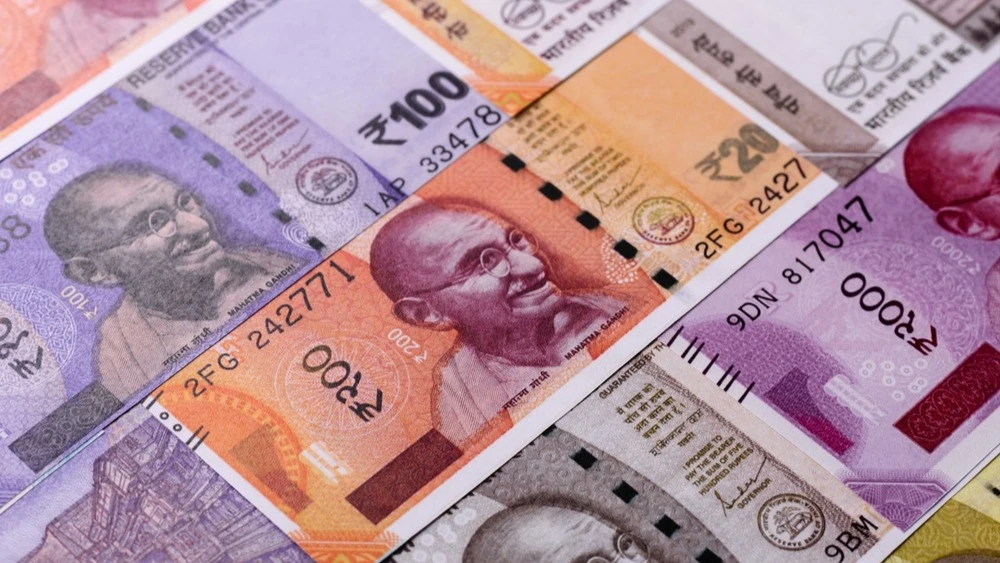
India has abolished taxes and limits on the purchase of government bonds for foreigners / Photo: Tetiana Chernykova/Shutterstock
India has abolished taxes and limits on the purchase of government bonds for foreigners, local newspaper The Economic Times reported. The Hindu, citing a source familiar with the situation, confirms such plans of the Indian government. The measure is designed to attract foreign capital and support the rupee - now the national currency is falling on the back of expensive energy resources and the outflow of foreign investors from the country.
Details
Foreign institutional investors in India have been fully exempted from taxes on interest income and capital gains from government bonds, The Economic Times reports. According to the newspaper, the decision was taken by the local government. The norm will begin to operate retrospectively - from April 1, 2026, notes Bloomberg. The authorities expect that this will ensure a stable inflow to India "long-term capital and long-term investors", such as foreign pension and sovereign wealth funds.
Foreign investors now pay 12.5% tax in India on gains from the sale of stocks and bonds they have held for more than a year; interest income on government securities is taxed at 20%, explains the Economic Times.
At the same time, the Reserve Bank of India (RBI) has removed limits on the purchase of some long-term government bonds for foreigners, giving them the status of fully available for purchase, the Economic Times writes. In addition, New Delhi plans to allow non-resident individuals to invest in shares of local companies through a portfolio investment mechanism.
Context
The Indian authorities were forced to take such measures by the fall of the rupee, emphasizes Bloomberg. Due to the war in Iran and the closure of the Strait of Hormuz, global energy prices have soared, causing India's import costs to increase significantly. The growth of spending on raw materials coupled with the outflow of investors from the Indian stock market has weakened the national currency. Against this background, Indian Prime Minister Narendra Modi urged citizens to reduce fuel consumption, postpone trips abroad and delay buying gold.
Since the beginning of the year, foreigners have withdrawn more than $26 billion from India, causing their net total investment in India to fall to a ten-year low, Bloomberg points out. The benchmark Indian stock index Nifty 50 has fallen by 10% since January.
What the market is saying
Easing capital inflows will help support the rupee, which has been falling since the beginning of the year mainly due to the strong outflow of the currency, commented on the situation for CNBC economist for Asia-Pacific region in State Street Global Advisors Krishna Bhimavarapu. New Delhi, in his opinion, made a step in the right direction, and the authorities' decision itself came out just in time. According to LSEG, the rupee has sagged more than 6% since the beginning of the year, CNBC notes.
This article was AI-translated and verified by a human editor