The US has authorized India to buy Russian oil. The discount has been replaced by a premium
Benchmark Brent crude fell in morning trading in Asia, but the relief may be temporary

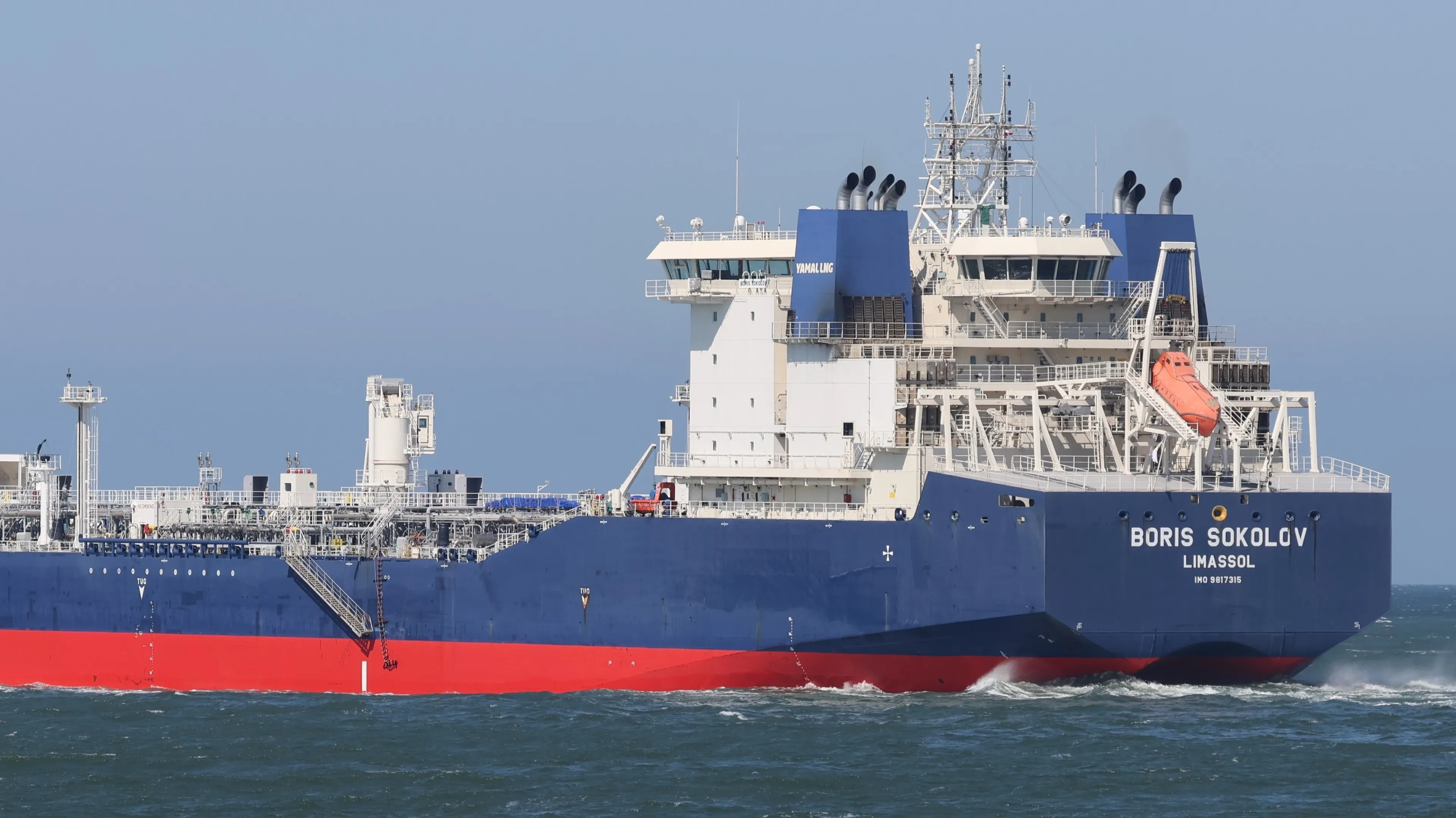
The US Treasury Department has authorized India to buy oil from Russia that is already on ships at sea / Photo: MartinLueke/Shutterstock.com
On the night of March 6, the U.S. temporarily allowed Indian companies to purchase Russian oil already shipped in tankers. This has thwarted panic in the oil market, but the effect may be short-lived. Indian refiners are urgently buying up available volumes, which has already shifted the balance in favor of sellers.
Details
The 30-day authorization issued by the U.S. Treasury Department covers transactions with Russian crude oil and petroleum products shipped on vessels before March 5, provided they are delivered to India and purchased by an Indian company. The authorization will expire on the night of April 4, Bloomberg reported.
"This intentionally short-term measure will not provide significant financial benefit to the Russian government because it merely authorizes transactions involving oil that is already stranded at sea," U.S. Treasury Secretary Scott Bessent said on social media X.
What the analysts are saying
"While the authorization is temporary and primarily aimed at unloading stranded shipments, it provides a critical short-term buffer for the Indian refining sector, potentially changing the dynamics of Russian crude pricing and trade flows in the coming weeks," said Sumit Ritolia, lead refining analyst at Kpler. The global discount to Russian crude is likely to narrow and could be replaced by a premium as competition for supplies increases, he added.
In India, this has already happened: traders are selling Russian Urals crude to Indian buyers at a premium of $4-5 per barrel to the benchmark Brent grade on terms of delivery to Indian ports in March and early April, three sources told Reuters. The agency's interlocutors noted a sharp contrast to the situation in February: then oil batches were traded at a discount of about $13 per barrel.
The permit for India, along with other promises by the Trump administration to consider options to curb soaring oil and gasoline prices, helped cool quotes in morning trading on March 6 - Brent was down 1% - but the resulting impact on the oil market as a whole may well be limited in both time and scope, Bloomberg warns.
"For the most part, this is reactive action rather than a pre-built game plan with all the risks thought out," stated CIBC Private Wealth Group trader Rebecca Babin. - News headlines should dampen the panic somewhat, but we'll need concrete details to really start to see the risk premium erode."
Context
After Russia's invasion of Ukraine in 2022, India became the largest buyer of Russian crude oil shipped by sea. However, in January 2026, Indian refineries began cutting back on purchases under pressure from Washington. This allowed New Delhi to conclude an interim trade agreement with the U.S. and avoid imposing 25 percent duties.
There are almost 11 million barrels of Russian oil on tankers in Asia, and about 70% of the vessels are parked off the coast of China and in the Singapore Strait, Bloomberg reports, citing Kpler and ship tracking data. However, there are other tankers on the way, so the total volume could be even higher, the agency noted. According to Reuters' source, India's state-owned refiners have so far purchased about 20 million barrels of oil from Russia from traders.
This article was AI-translated and verified by a human editor