Intel Shares Fall: Musk Hints at Another Partner in a Major Chip Project

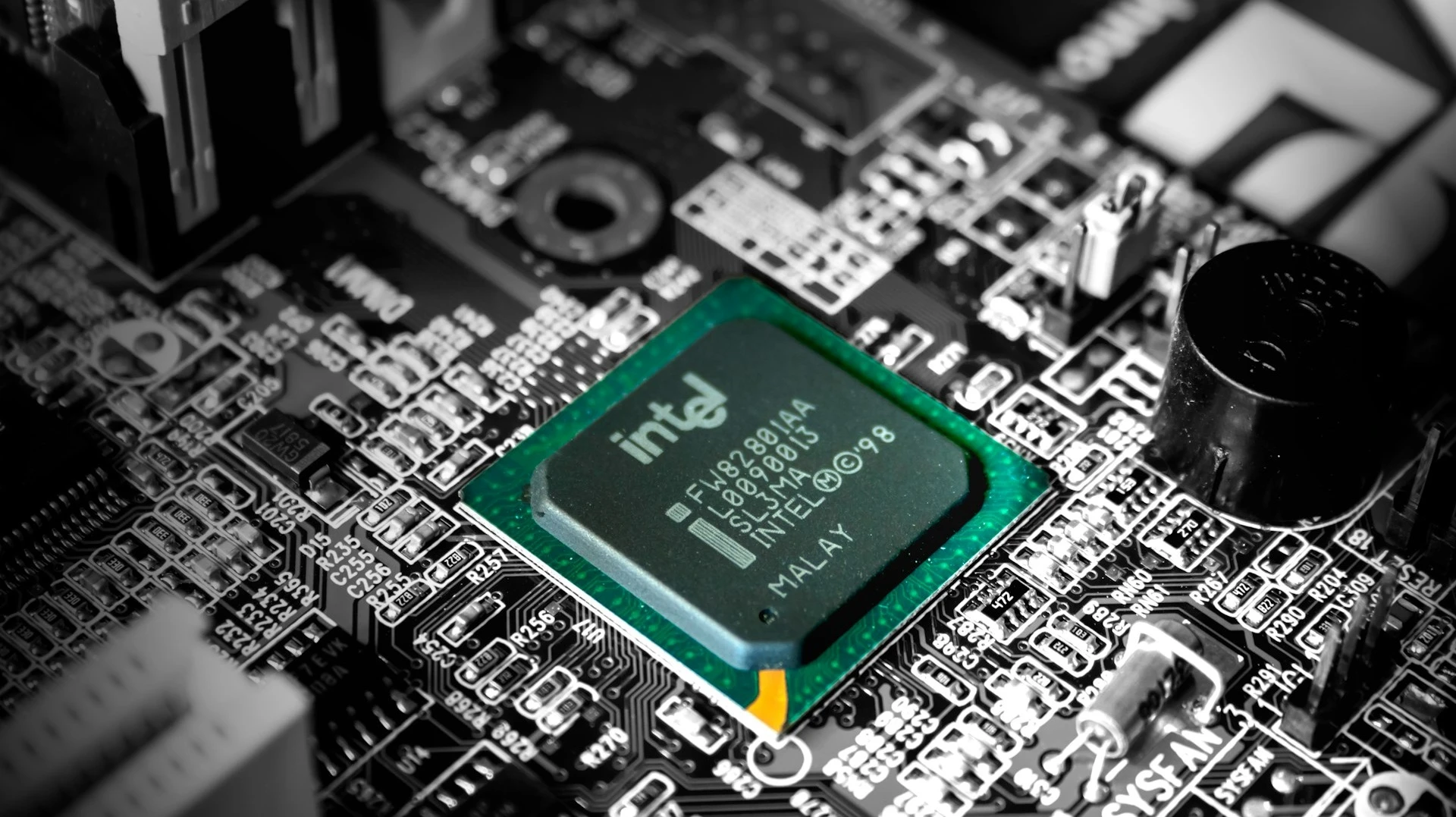
Elon Musk indirectly confirmed negotiations with TSMC regarding the Taiwanese company's participation in chip production at the Terafab megafactory / Photo: Unsplash.com / Slejven Djurakovic
Intel shares fell 2.6% during trading on October 5. MarketWatch attributed this trend to remarks made by entrepreneur Elon Musk: on X, he hinted at negotiations with Intel’s competitor—the Taiwanese electronics manufacturer Taiwan Semiconductor (TSMC)—regarding its participation in a large-scale chip manufacturing project called Terafab.
Details
"So far, [it's] just discussions, but something might come of it," Musk wrote on X over the weekend. He was responding to a report by Culpium, a publication specializing in Asian technology, which, citing sources, reported that TSMC is exploring opportunities to collaborate with Musk’s Terafab. Although, in his very next post, Musk added, “True,” in response to a suggestion by an X user named X Freeze that any contribution from TSMC to Terafab would be, “essentially just a supplement” to a facility that is “being built on a scale that goes beyond anything the modern semiconductor industry is accustomed to,” investors reacted to the businessman’s statements with concern. Intel’s stock price fell 2.6% during trading on October 5 (the chipmaker’s shares have risen 217% since the beginning of the year). TSMC’s shares, by contrast, rose nearly 3% in today’s trading (they are up 62% year-to-date).
What is Terafab?
Musk announced plans to build the Terafab plant in March 2026. The project is a joint venture between Tesla and SpaceX. The company expects the facility to produce up to 1 terawatt of computing power per year—twice the current demand in the U.S., according to MarketWatch. Musk said that Terafab is intended to be a versatile manufacturing complex capable of producing memory chips, AI chips, and microchips, which will subsequently be used in the entrepreneur’s various projects, including programs to develop humanoid robots, satellites, and data centers.
It was announced in April 2026 that Intel had joined the Terafab project. “Our ability to design, manufacture, and package ultra-high-performance chips at scale will accelerate the achievement of Terafab’s goal—to deliver 1 TW of computing power per year to support future breakthroughs in AI and robotics,” the company stated.
What Analysts Are Saying
The sharp rise in Intel’s stock this year was largely driven by expectations surrounding Terafab, Gil Luria, managing director at D.A. Davidson, told MarketWatch. According to him, if Intel does not participate in the project or remains merely one of the technology suppliers, investors may revise their expectations regarding the company. The fact that Musk is considering partnering with another chipmaker could be interpreted by investors as a lack of confidence that Intel can handle this important project on its own, Luria added.
One possible scenario is that TSMC would own and operate the factory, producing chips exclusively for Tesla, SpaceX, and xAI, while SpaceX would invest in production or guarantee certain order volumes, Oppenheimer analyst Rick Schaefer wrote in a note to clients on Monday.
Luke Rahbari, CEO of Equity Armor Investments, in turn, expressed doubt that Intel would be significantly sidelined from the project. In his view, Musk’s statements may be a way to secure more favorable terms from Intel. Rahbari pointed out that the U.S. government has invested in Intel, and SpaceX relies on government contracts.
According to Hendi Susanto, a portfolio manager at Gabelli Funds, Terafab may be interested in working with two manufacturers at once. TSMC has already proven its leadership in cutting-edge manufacturing processes, while Intel has yet to demonstrate that it is capable of scaling up mass production using the advanced 14A process and mastering advanced lithography, MarketWatch quotes Susanto as saying. The analyst suggests that Terafab may work with both manufacturers simultaneously, as using two suppliers is standard practice in the semiconductor industry.
Wall Street is taking a cautious stance on Intel shares and views TSMC’s prospects positively. Most analysts covering the U.S. chipmaker’s stock recommend holding it (31 such recommendations). TSMC’s U.S.-listed shares have 37 “buy” recommendations and two “hold” recommendations.
This article was AI-translated and verified by a human editor