Tesla has unveiled its "flying" Roadster hypercar. How will this change things for the company?
The car took off, did a barrel roll, and reached 100 km/h in 0.8 seconds

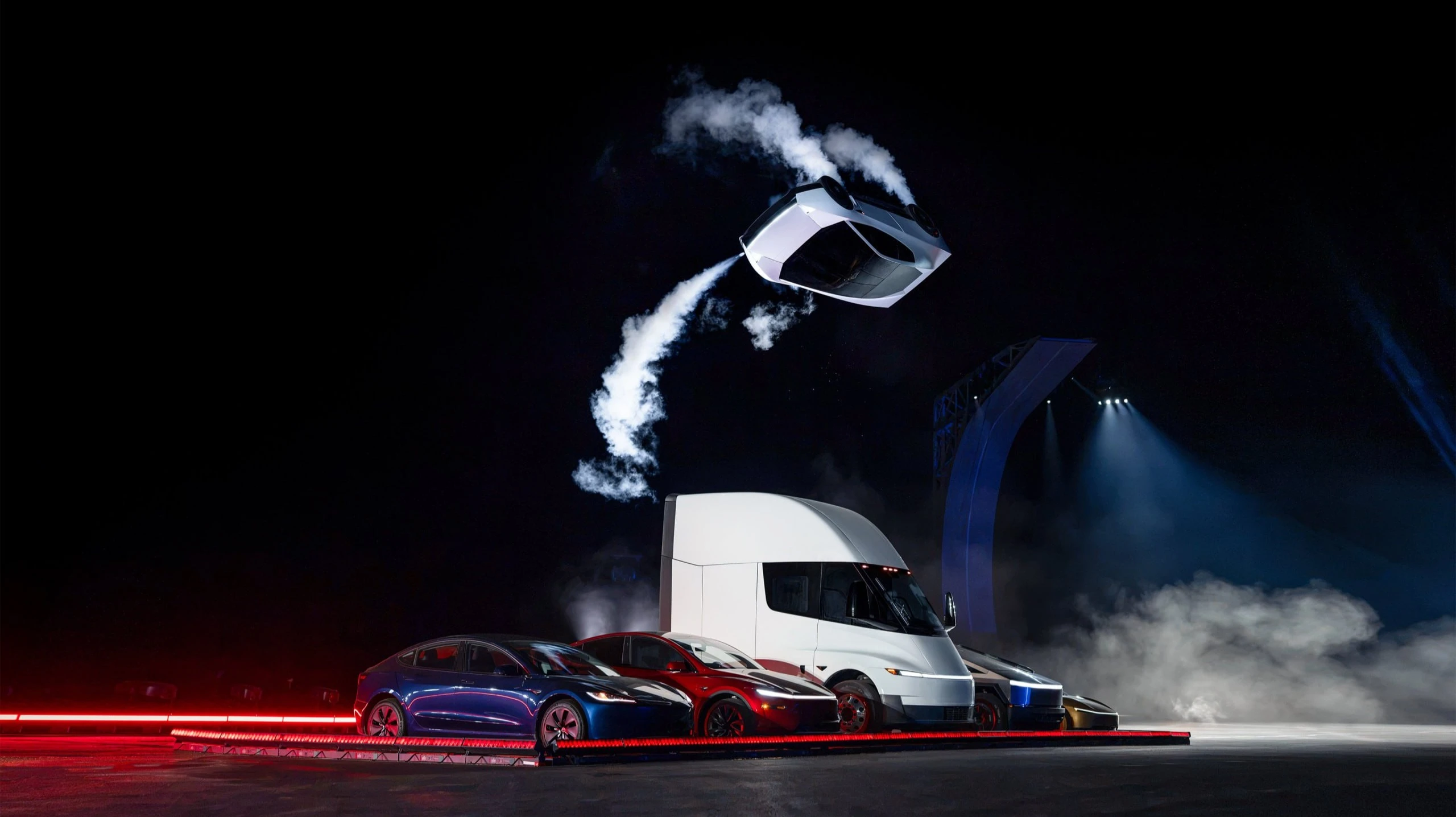
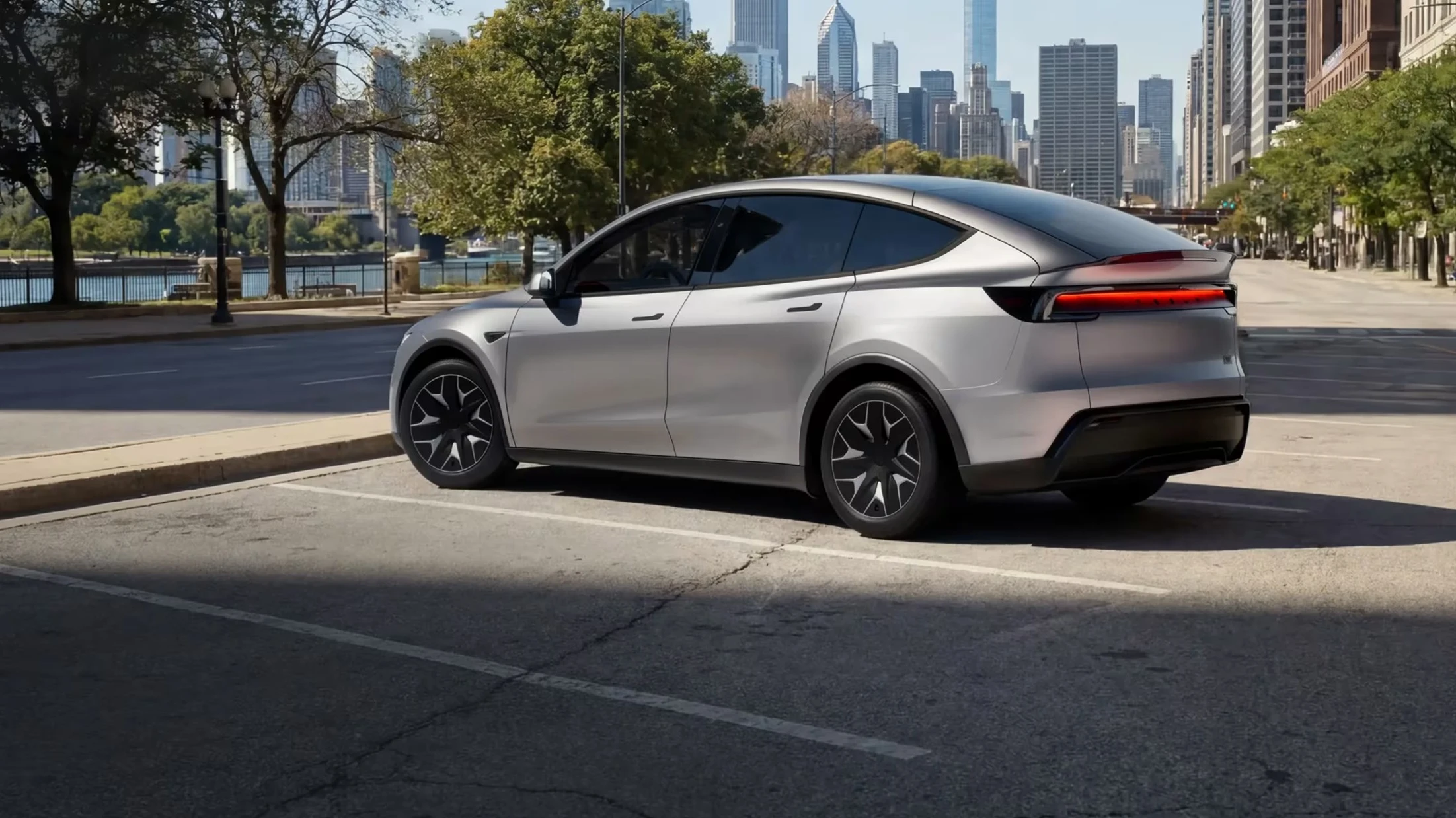
Tesla Unveils a "Flying" Car / Photo: Photo: X / Tesla
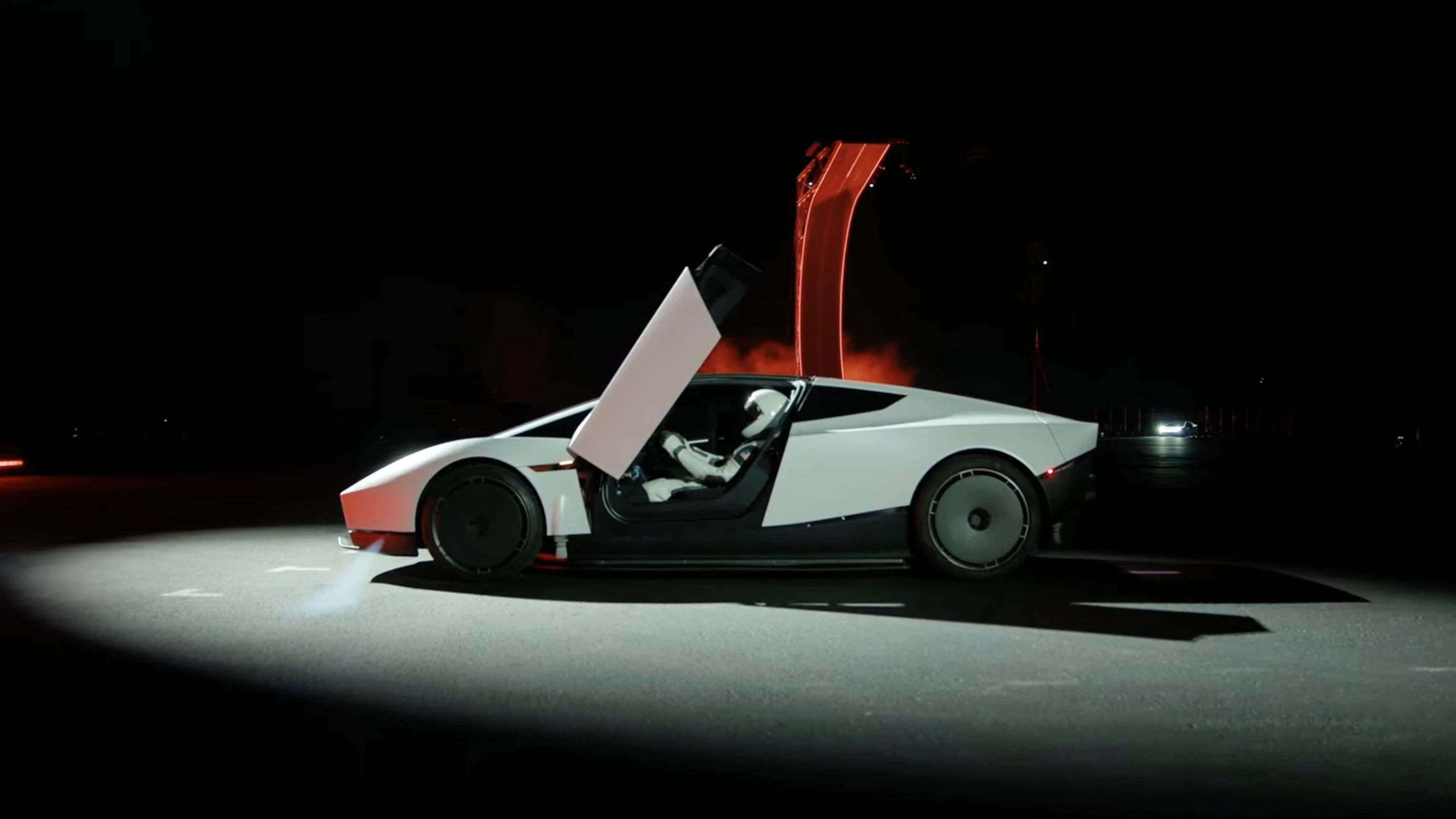
Electric car manufacturer Tesla unveiled the long-awaited new-generation Roadster electric sports car—nearly ten years after the company began accepting pre-orders for it. SpaceX technology allows the car to hover above the ground: it drove upward on its wheels, briefly took off, and accelerated to 60 miles per hour (about 100 km/h) in 0.81 seconds, according to Tesla.
Company CEO Elon Musk promised a flying car—and the Roadster really did take flight, according to The Verge. The presentation lasted less than 30 minutes and, according to the publication, resembled a stunt show more than a product launch. Musk stated that the next-generation hypercar will go into production in 2028, but he did not disclose the price or release date. Many key specifications also remain undisclosed: the company has not revealed the range, power output, or battery capacity.
What the Roadster Can Do
First, the car drove up a ramp several stories high, topped by a canopy that jutted out over the ground; the electric car then drove down the ramp with its roof facing downward. Downforce helped it stay upright: SpaceX fans mounted under the underside of the car press it against the surface with a force of up to two g, which is twice as strong as Earth’s gravity. Upon reaching the edge of the ramp, the Roadster flipped over in midair and smoothly landed on its wheels using compressed-air thrusters powered by onboard tanks.
He then flew over the other Tesla models lined up in a row, performing a barrel roll—a full rotation around its longitudinal axis—above them. The Roadster has two types of motors, Musk explained: some rotate and tilt the car in the air, while the main ones are mounted at the rear. “Essentially, it can fly like a rocket. And do barrel rolls. It can pull off some crazy acrobatics. Basically, anything,” said the billionaire.
On the subject of safety, he said: “I have to say, this car isn’t exactly optimized for safety. But it takes the fun factor to an 11 out of 10.”
Tesla did not include Full Self-Driving's automated driving system in the upcoming model. Musk stated that the new Roadster will be the company's last car designed to be driven by a human.
Nine Years of Waiting
The Roadster’s journey to this show has been a long one. Tesla unveiled the prototype back in 2017, when it began accepting deposits of $50,000 to secure a spot on the waiting list or $250,000 for a limited-edition Founders Series model. Musk promised to begin deliveries in 2020. In October 2024, during a quarterly earnings call, he thanked the “long-suffering” deposit holders. But some had grown tired of waiting. OpenAI CEO Sam Altman publicly canceled his pre-order in 2025, and vlogger Marques Brownlee canceled one of his two pre-orders, stating that Tesla “has been sitting on my 50,000 for eight years and hasn’t done anything with it,” as reported by Business Insider. In recent weeks, Tesla has reopened pre-orders in the U.S., Canada, and China, according to CNBC.
On the eve of the unveiling, Business Insider posed the question: What if those who paid for the Roadster had invested their money in Tesla stock instead of the car? The publication ran some quick calculations, as it puts it, “off the top of its head.” On November 17, 2017, the first trading day after the prototype was unveiled, Tesla stock closed at around $21, and by mid-October 2026, it was worth approximately $360. Thus, the $50,000 invested back then would now be worth $850,000–900,000.
What's next?
While the Roadster existed only in renderings for nine years, Tesla’s competitors have surpassed it: Rimac released the Nevera, Porsche released the Taycan, and Chinese giants like BYD have released track-focused supercars that cost a fraction of the price. Now the Roadster has to catch up with the industry, notes The Verge.
CNBC predicts that the new model will be an expensive, limited-production vehicle: while it may boost interest in the brand, it is unlikely to have a significant impact on the company's financial performance.
The independent research firm Battle Road Research sees it differently: in
a note cited by The Wall Street Journal, it states that while the hypercar will not have a significant impact on sales volume, it could substantially increase Tesla’s revenue. Whatever the final price may be, the Roadster is expected to take its place among high-end cars that combine luxury and high performance—alongside Porsche, Lamborghini, and Ferrari, the analysts wrote.
This article was AI-translated and verified by a human editor