Iran has agreed to 60 days of free passage through the Strait of Hormuz — CNBC. What happens next?

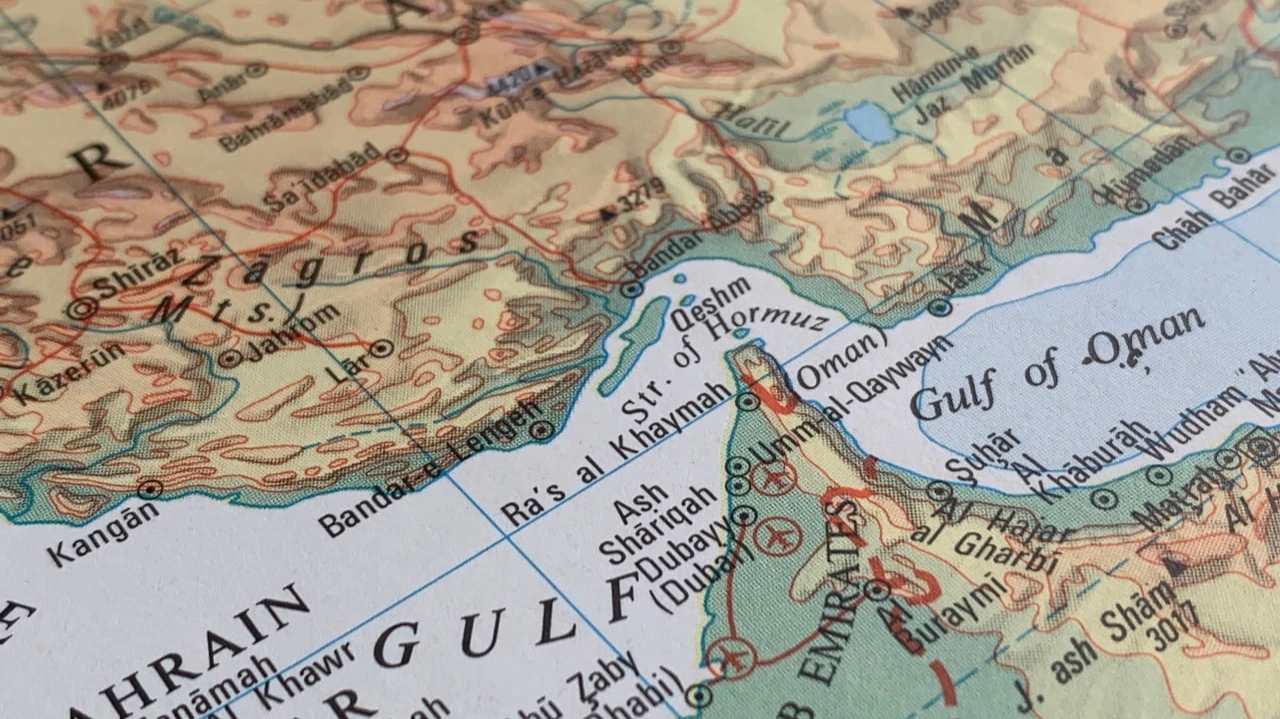
Iran Wants to Change How the Strait of Hormuz Is Managed / Photo: AustralianCamera / Shutterstock.com
Iran and Oman, together with other Gulf countries, will determine the “future framework for the management and provision of maritime services” in the Strait of Hormuz—as part of an agreement to end the war in the Middle East, unidentified senior U.S. officials told reporters on Wednesday, according to CNBC.
According to their information, the memorandum of understanding that the U.S. and Iran are set to sign in the near future states that Tehran will ensure the safe passage of commercial vessels through the strait without charging any fees for 60 days. After that, it will discuss the management of this waterway—which is critical to the oil market—with Oman and other countries in the region. One official acknowledged that Iran will likely “vigorously defend its rights” during these negotiations. However, other Gulf countries “will never agree to an arrangement that does not provide for free passage without tolls,” according to an unnamed official.
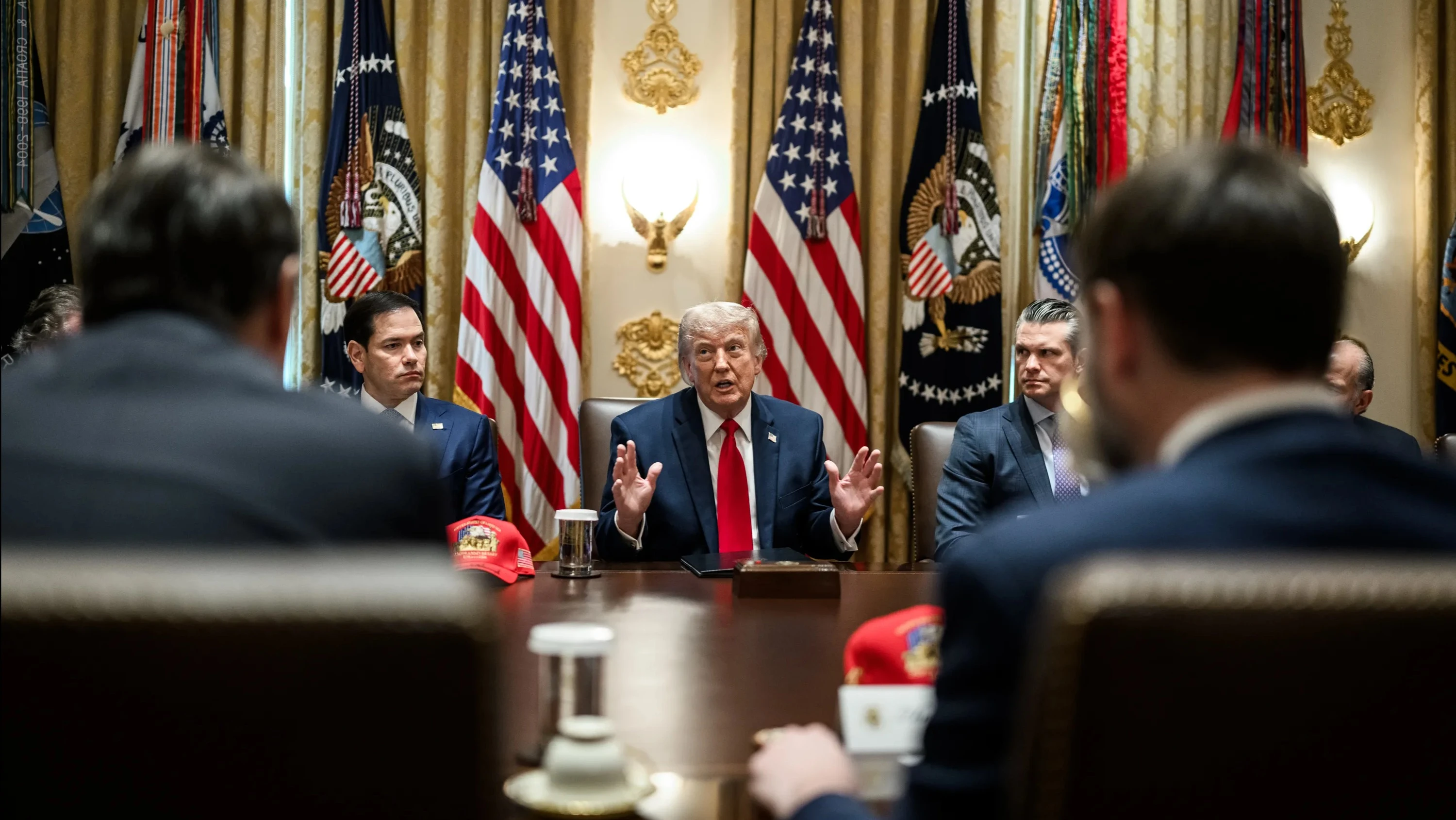
U.S. President Donald Trump has repeatedly stated that once the Iranian crisis is over, passage through the strait should remain free of charge. CNBC notes that prior to the war, no tolls were charged for transit through this waterway.
The volume of shipping traffic through the Strait of Hormuz has remained virtually unchanged since the U.S. and Iran announced on Sunday that they had reached a peace agreement. According to Kpler, 13 commercial vessels, including six oil tankers, passed through the strait on Tuesday.
This article was AI-translated and verified by a human editor