The IEA Forecasted an Oil Surplus in the Market in 2027 Following the Announcement of a Peace Agreement
The agency shared its expectations for next year for the first time

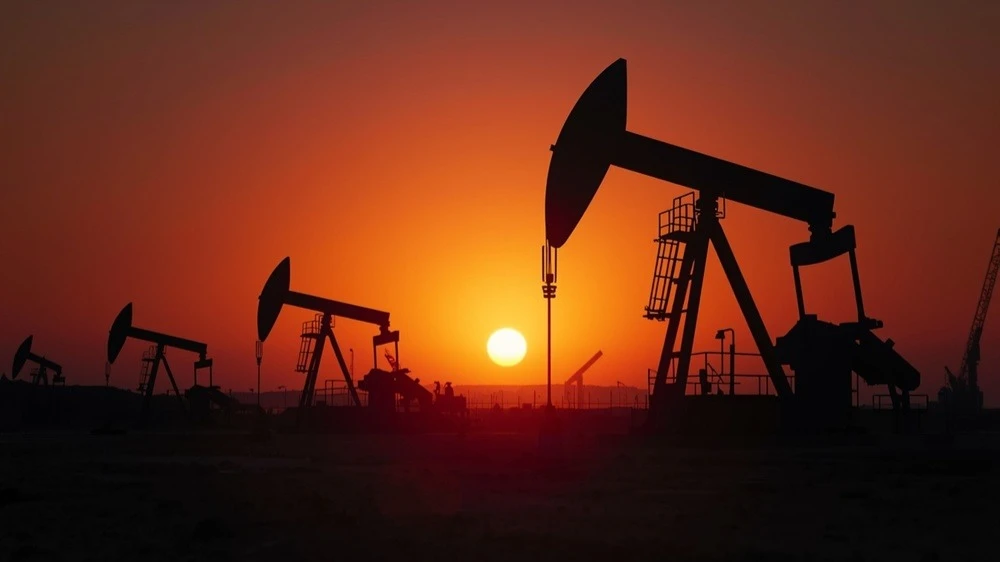
In 2027, there will be a significant supply surplus in the oil market. Photo: Asif 31/Shutterstock
In 2027, the oil market will face a significant supply surplus following the restoration of supplies disrupted by the closure of the Strait of Hormuz, the International Energy Agency (IEA) reported in its monthly report. According to IEA estimates, more than 14 million barrels per day (bpd) of oil production in the region were blocked due to the war in the Middle East.
Details of the 2027 Forecast
According to the IEA’s first forecast for 2027, the market will see a significant surplus: supply will rise by 8 million bpd, while demand will increase by only 2 million bpd. As a result, production will exceed demand by 5.05 million bpd, as consumption growth will lag behind the inflow of crude amid the resumption of supplies from the Middle East. The IEA’s surplus forecast is now even higher than the 4.09 million bpd the agency had projected for 2026 in November.
Such a surplus in 2027 could “provide the market with a long-awaited respite and an opportunity to replenish depleted stocks or build new strategic reserves,” the IEA noted. However, before that happens—toward the end of 2026—global oil stocks could fall to historic lows before the balance shifts toward a surplus.
"If the [U.S.-Iran] agreement holds, exports and production in the Persian Gulf will gradually recover," the IEA believes. However, the protracted demining of the Strait of Hormuz and unresolved transit issues remain risks to this scenario, Reuters emphasizes.
What Lies Ahead for the Market in 2026
For 2026, the IEA forecasts a 3.9 million bpd decline in global oil supply, as production losses in the Middle East outpace production growth in North and South America. As a result, supply will fall short of demand by approximately 920,000 bpd—a deficit that has narrowed compared to the previous estimate of 1.78 million bpd.
As for demand, it will ultimately fall by 1.1 million bpd in 2026 following a sharp drop of 5 million bpd in April–June. The decline in demand caused by the U.S.-Iran conflict has affected nearly all regions and fuel types, particularly diesel. However, demand will recover rapidly as early as 2027 amid falling oil prices and an improving economic outlook, the IEA adds.
What's happening with oil prices right now?
Oil prices fell sharply after the announcement of a deal between Washington and Tehran over the weekend. During trading on Wednesday, June 17, the international benchmark Brent was trading at around $80 per barrel. The U.S. benchmark, West Texas Intermediate (WTI), was trading at just over $77 per barrel.
Context
On June 14, the U.S. announced an interim agreement to end the war with Iran, which calls for the reopening of the Strait of Hormuz and the lifting of Washington’s naval blockade. This could put an end to the largest disruption in oil supplies in history, Reuters notes.
Due to the conflict, global reserves of raw materials have been severely depleted: they have been declining at a rate of 3.8 million b/s since the war began on February 28, and in May, withdrawal volumes reached 4.6 million b/s.
Nevertheless, the first signs of a recovery were already evident before the official ceasefire: traffic through the Strait of Hormuz began to increase by early June due to a rise in ship-to-ship transshipment volumes in the Gulf of Oman, the IEA noted. This helped boost total Middle Eastern shipments to 12 million bpd—up from a May low of 9.6 million bpd.
This article was AI-translated and verified by a human editor