Iran threatens to target ships beyond Hormuz as oil exports out of Persian Gulf rise
11 ships were attacked while transiting the Strait of Hormuz in the week ended October 4, the highest weekly figure since the Iran war began in February, CNBC reports

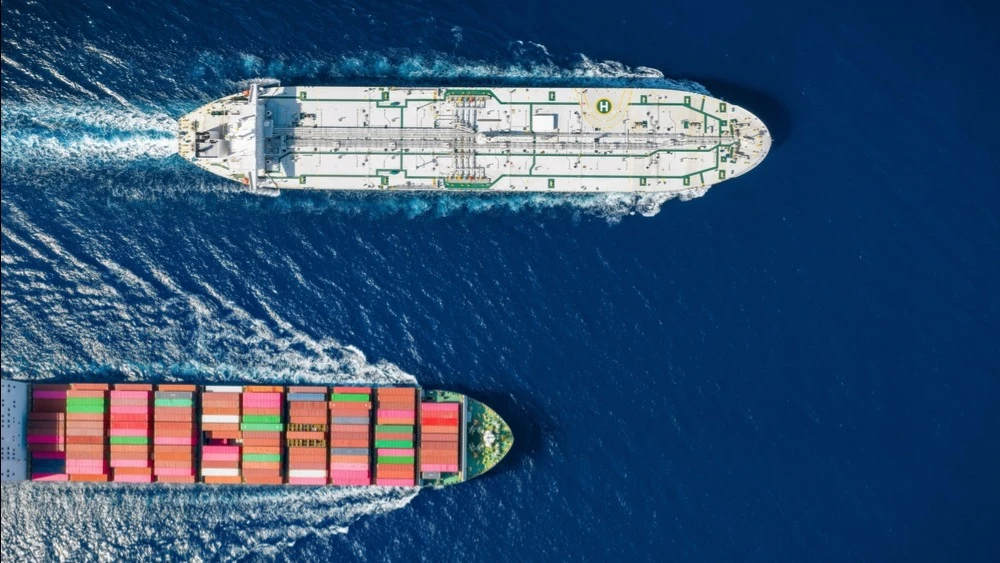
Iran is seeking to maintain control over Persian Gulf waterways amid reports of rising oil exports out of the region / Photo: Sven Hansche / Shutterstock
Iran is expanding the geographic reach of its attacks beyond the Strait of Hormuz and into the Persian Gulf, the Financial Times reports, noting that the Islamic Republic’s authorities are trying to maintain control over the strategic waterway and prevent an increase in oil exports from the region.
Details
On Friday, Iran’s Islamic Revolutionary Guard Corps warned that vessels “violating” its designated routes would be pursued and “punished” anywhere in the region, Euronews writes. In a statement, the IRGC stressed that it had full control over the Strait of Hormuz, the FT noted.
Hours earlier, the UK Maritime Trade Operations Center, whose mission is to provide mariners, shipping companies, and regional authorities with verified and corroborated security information, said that a liquefied gas carrier had been hit by unidentified projectiles on Friday morning, 13 nautical miles (24 kilometers) west of Al Jazirah Al Hamra in the United Arab Emirates. The FT says the vessel was the Chinese-owned supertanker Gem No. 2. A fire broke out on board.
In a separate incident, the vessel Dhalkut reported gunfire nearby on Thursday while off the coast of Fujairah, a UAE emirate, maritime security firm Vanguard said. Fujairah has become a popular anchorage for tankers seeking to minimize risks while waiting to load oil cargoes that are now being transported out of the Persian Gulf by shuttle vessels, the FT noted.
Overall, amid reports of rising oil exports from Persian Gulf countries, 11 vessels were attacked while transiting the Strait of Hormuz in the week ended October 4, CNBC reports. That was the highest weekly number of attacks on commercial ships since the war began.
Situation in the Persian Gulf
The past 10 days have been among the most dangerous for tanker operators since the conflict began, the FT writes. Tehran has retaliated against vessel owners’ growing confidence in transiting the Strait of Hormuz with a series of attacks on ships carrying crude oil and refined products. The attacks came shortly after reports emerged in late September that oil shipments from the Middle East had approached prewar averages.
“The level of concentration of the attacks is right up there. Our suspicion is that it’s a reaction to the flow of oil out of the strait approaching prewar levels. Iran is exerting its control – or attempting to,” one tanker industry executive told the FT.
Iran is probably extending its attacks deeper into the Persian Gulf to “remind Gulf states that the economic and security cost of supporting the U.S. is not confined to Hormuz,” reckons John Walker, head of advisory at security specialist EOS Risk Group. The tactic may also be intended to spread out U.S. air cover. “While U.S. jets are busy in Hormuz, it’s easier to conduct successful attacks elsewhere,” he said.
Context
Oil shipments from the Middle East recovered to prewar levels in September, but “intensified attacks on tankers” have caused exports to fall “sharply” this week, analytics platform Kpler said on Friday. The seven-day average as of Wednesday was 9.9 million barrels per day, 42% below the prewar level and well below September’s average of about 15.5 million barrels per day.
Brent crude briefly rose to $105 per barrel on Friday, but oil futures ended the session little changed for the day. Brent closed at $104.50 per barrel, while U.S. West Texas Intermediate settled at $91.60.