The Fed, Doubts About AI, and Investigations: What Threatens the Rally After Huang's Return
Nvidia must disclose information about the investigations into the espionage scandal in a filing with the SEC by December 4

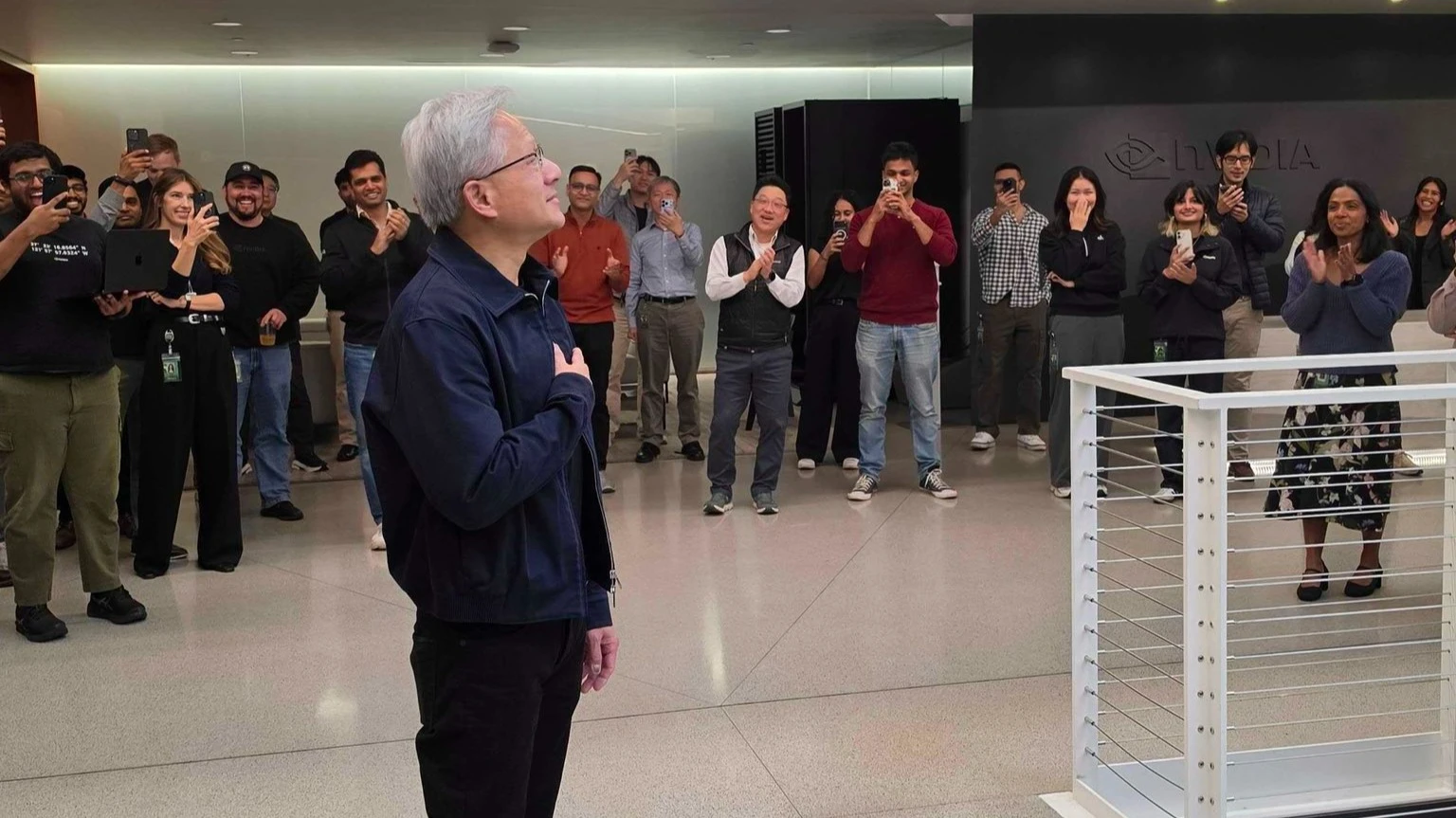
Nvidia's Board of Directors unanimously reinstated Jensen Huang as president and CEO 11 days after his resignation / Photo: X/Nvidia
Jensen Huang’s return as Nvidia’s CEO on November 23 appears to have helped restore investor confidence that the company will remain the main financial pillar of AI infrastructure development, according to MarketWatch. But it remains unclear whether the subsequent rebound in the U.S. stock market will prove sustainable: investors have plenty of other reasons for concern, the publication warns.
Eric Wallerstein, chief macro strategist at alternative asset management firm Clocktower, refers to the “Nvidia put”—by analogy with a put option, which provides protection against a price decline. According to him, it is critically important for investor sentiment that Nvidia solidifies its role in the AI ecosystem. This should be enough to drive further stock growth and, possibly, another V-shaped recovery of the indices to record highs, the strategist believes. Investors have seen such rebounds several times since October 2022, when the AI boom sparked a bull market.
10 days to submit the report
Nvidia has yet to file its quarterly Form 10-Q report with the U.S. Securities and Exchange Commission (SEC), and this is a cause for concern, according to Dave Nadig, research director at ETF.com. The company did publish a press release with key financial metrics, but during the earnings call on November 17, CFO Colette Kress stated that the 10-Q report would not be filed immediately. Unlike the press release, the 10-Q requires the company to disclose information about ongoing investigations by regulatory authorities. The filing deadline is December 4, according to MarketWatch.
According to media reports, the FBI is investigating Huang’s connection to Alice Huang (they share the same last name), whom U.S. intelligence agencies suspect of spying for China. The U.S. Department of Commerce is investigating whether Nvidia violated export controls when selling advanced AI chips to China, while the SEC is looking into whether the company misled shareholders, MarketWatch reports. “This isn’t going to go away just because Huang is back,” says Nadig.
Jensen Huang is scheduled to testify on December 1 before committees of the U.S. House of Representatives, and on December 3, the Senate Banking Committee—which oversees export controls— has scheduled a hearing at which it plans to summon him.
Obstacles to Setting New Records
Wall Street analysts are generally maintaining their forecasts that 2027 will be another strong year for corporate earnings growth. However, the forward P/E ratio in the S&P 500’s information technology sector has been declining since the start of the year, notes MarketWatch. Whether this trend reverses may depend as much on investor sentiment toward AI as on the state of the economy. And without growth in P/E ratios, it will be difficult for stocks to return to record highs, the publication writes.

AI stocks had already begun to fall in price even before the scandal surrounding Huang, because investors were beginning to question the long-term profitability of AI, Kim Forrest, founder of the consulting firm Bokeh Capital Partners, told MarketWatch. “Are large language models really that profitable? We don’t know yet,” she added.
The Federal Reserve could also pose problems for investors in 2027, warns Clocktower macro strategist Eric Wallerstein. The central bank has been unable to bring inflation back to its 2% target, so the stock market’s rise will likely force it to raise rates even more aggressively. “In the short term, I’m bullish; in the long term, I’m bearish,” Wallerstein told MarketWatch.
This article was AI-translated and verified by a human editor