Jefferies recommended selling Roblox shares after they rose 30%. What's wrong with that?

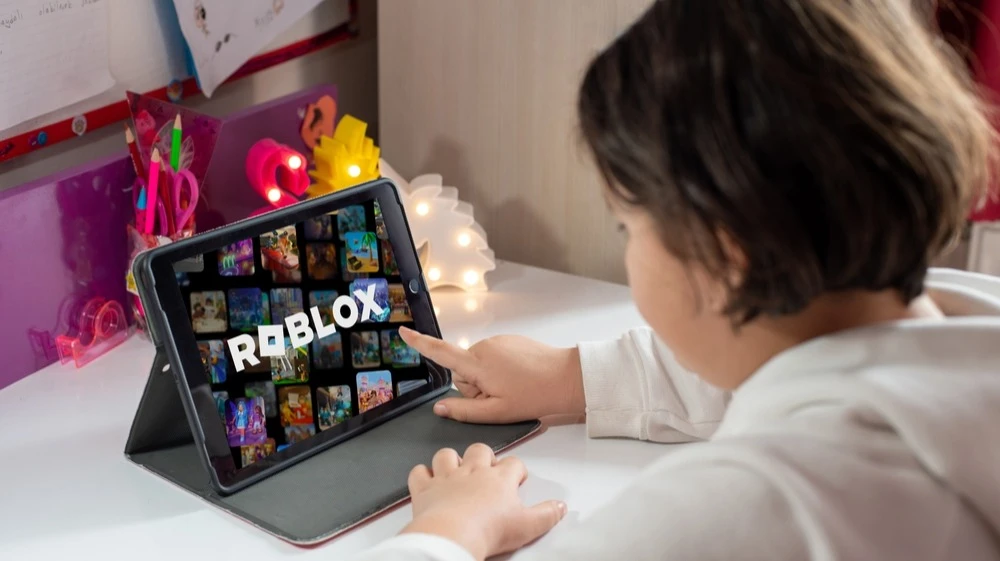
Roblox shares were down more than 8% at one point on September 28 / Photo: Shutterstock.com / Yalcin Sonat
Shares of Roblox, the video game platform owner, fell more than 8% during trading on September 28. Jefferies analysts downgraded the company's rating from "hold" to "underperform," according to Barron's.
Details
Roblox shares briefly fell 8.5% on Monday to $42.50 each before recovering slightly. Market participants reacted to Jefferies’ decision to downgrade the company’s rating from “Hold” to “Underperform.” However, analysts maintained their price target for the company’s stock at $38 per share—a target that implies an approximately 18% decline in Roblox’s stock price relative to its closing price on September 25.
What Baffled Jefferies
Over the past two months—from the release of its second-quarter results on July 30 until today’s decline—Roblox’s stock has risen by about 30%. However, Jefferies analyst James Heaney believes this rally reflects an “overly optimistic view” of how Roblox’s sales will grow over the next 12 months. He is referring to a key metric for Roblox— so-called “bookings” —the amount players spend on the in-game currency Robux. Jefferies expects that the recovery in user numbers and “bookings” in the U.S. and Canada will be “more protracted and costly” for Roblox than the market anticipates.
“The scale of current investments, against the backdrop of weak ‘bookings’ growth, will put pressure on margins. One of our main concerns is that Roblox will have to maintain a high level of investment despite the slowdown in ‘bookings’ growth,” Heeney wrote in a research note.
He saw parallels between the current situation and Meta Platforms’ experience from 2017 to 2019. At that time, the company increased its spending on security, content moderation, and infrastructure. This led to a decline in margins just as revenue growth was slowing due to the “shift to Instagram Stories”: “Roblox [is now] also in investment mode,” Hiney noted.
In addition, the analyst highlighted the platform’s new recommendation algorithm, which prioritizes games with higher long-term user retention rates. Hini believes this change will limit user base growth over the next few quarters, although over time it may increase audience engagement and the quality of the games the platform shows users, according to Yahoo Finance.
Context
In late July, Roblox reported an 8% year-over-year increase in “bookings” for the second quarter, to $1.57 billion, which, however, was at the lower end of the company’s own forecast range ($1.55 billion–$1.61 billion). For the third—current—quarter, the company forecast bookings of $1.58 billion to $1.65 billion, which would represent a 14% to 18% year-over-year decline, Barron’s notes.
Immediately after the release of these earnings, Roblox’s stock price fell by 30%, but since then—and up until today’s decline—it has fully recovered from that drop. Roblox management attributed the weak results to a decline in monetization among younger users in the U.S. and Canada, as well as changes to the content recommendation algorithm.
Despite the gains over the past two months, Roblox shares have fallen 46% since the start of the year. Wall Street analysts are cautious about the company’s stock: Of the 18 analysts covering Roblox, 18 recommend buying, 17 advise holding, and three recommend selling the gaming platform’s stock. Wall Street’s average price target for Roblox shares is $49.34 per share—6% above the last closing price.
This article was AI-translated and verified by a human editor