SpaceX launched Starship on its first orbital flight. Why is this important for the market?

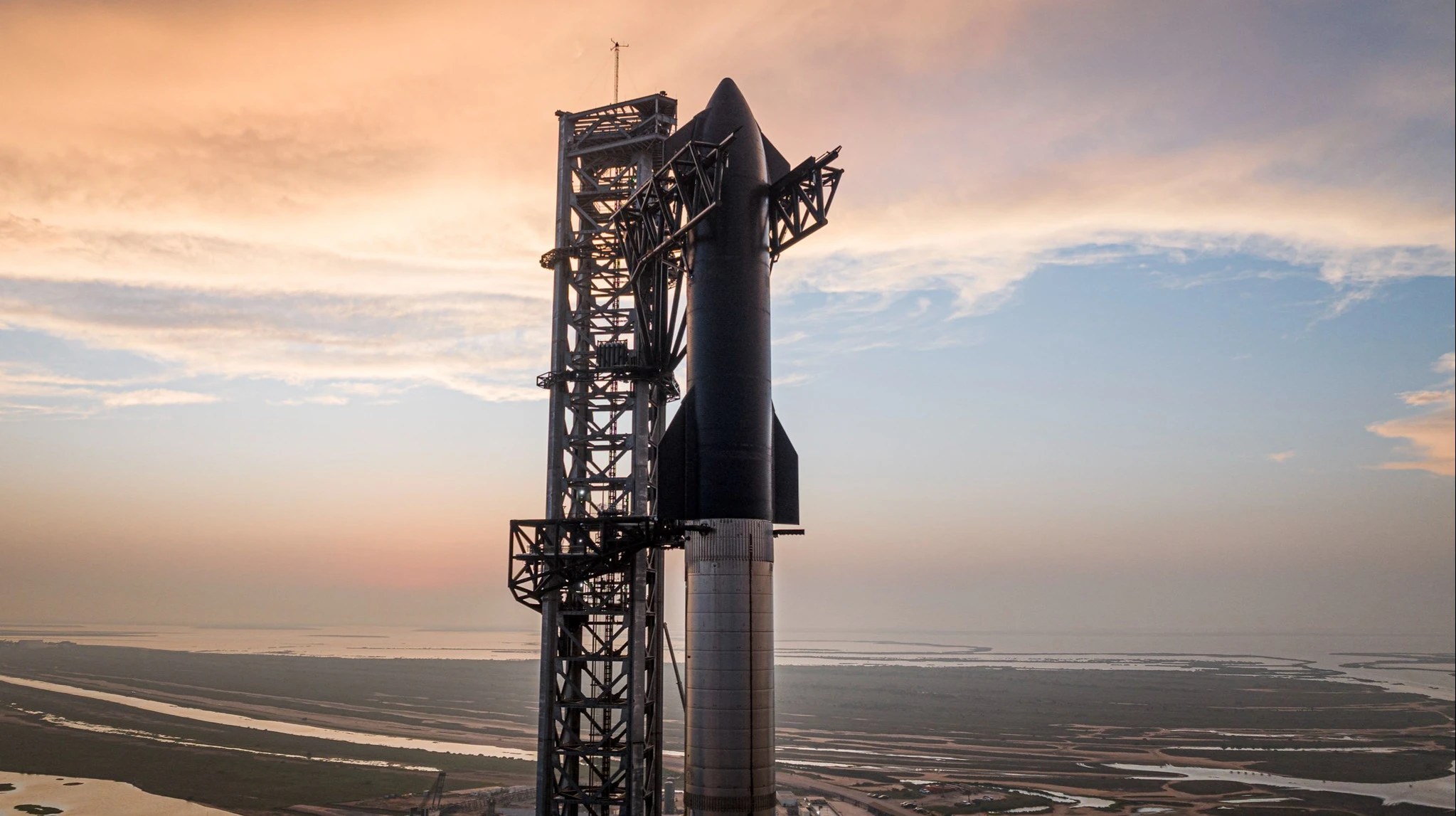
Starship remains a key element of SpaceX's ambitious plans to deliver data center spacecraft into orbit / Photo: Flickr / SpaceX
SpaceX launched the Starship spacecraft on its first orbital flight. The launch took place from the Starbase launch site in South Texas. SpaceX is streaming the mission live on its website.
Starship's mission is to deliver the first 26 upgraded third-generation (V3) Starlink satellites into orbit. If successful, the company plans to integrate them into its existing constellation, which already includes more than 11,000 satellite internet satellites.
The Starship flight is expected to last nearly 10 hours. Upon completion of the mission, Starship is scheduled to re-enter the atmosphere and splash down in the Pacific Ocean west of Chile.
SpaceX shares rose 0.7% in morning trading in New York. Since June, when the company held its record-breaking IPO, its shares have risen 10%.
Why Is This Launch Important for SpaceX?
This is Starship’s 14th test flight, but it will be the first time Starship is set to enter Earth orbit. All previous test launches were intentionally designed not to reach orbit for safety reasons. Now, U.S. regulators have approved the transition to the next phase, allowing the company to accelerate the rocket to orbital velocity and bring it back to Earth in a controlled manner.
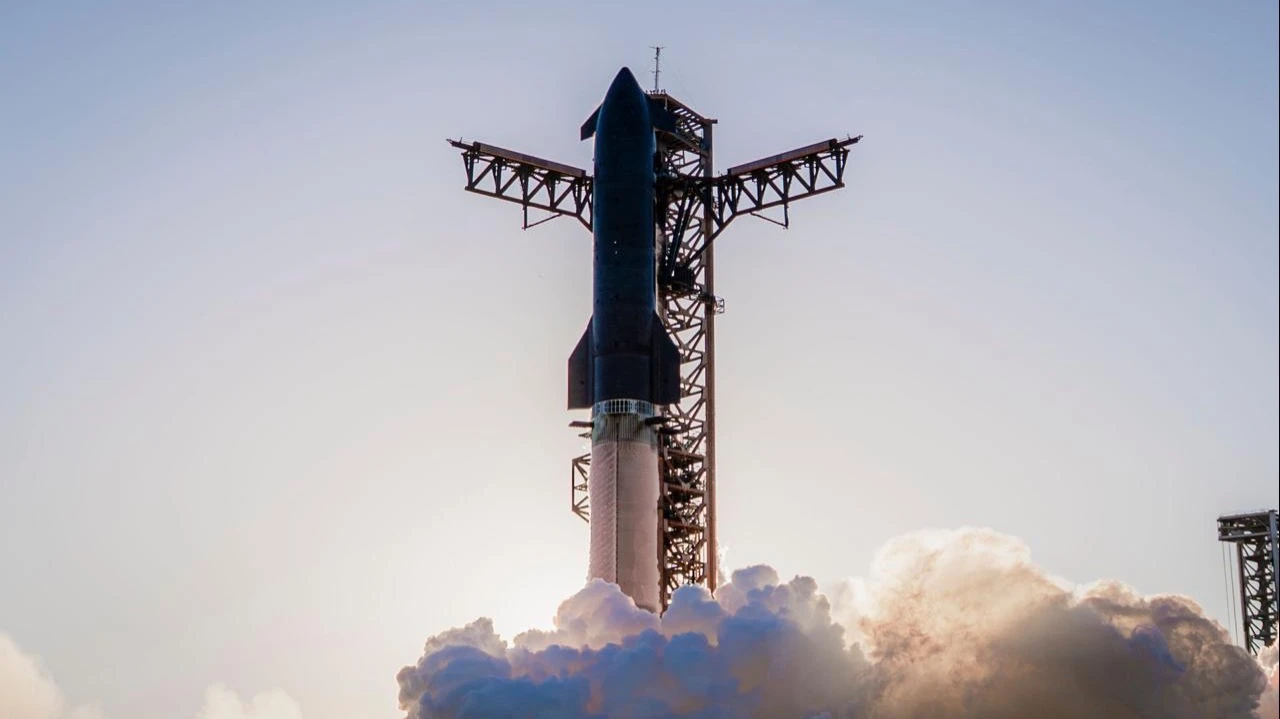
The upcoming mission will be a critical test for SpaceX, according to Bloomberg. If successful, the mission could pave the way for many other orbital launches. SpaceX CFO Bret Jonsen called this mission a “revenue-generating flight.” The V3 satellites have more than ten times the bandwidth of the previous V2 generation, and SpaceX plans to launch about ten times as many of them into orbit, said SpaceX CEO Elon Musk during the company’s first-ever earnings conference call in August. According to him, SpaceX expects “very rapid revenue growth from Starlink communications services thanks to the V3 satellite.”
Starship remains a key element of all of SpaceX’s ambitious plans, notes Bloomberg. The rocket is not only necessary for launching Starlink V3 satellites, but is also expected to deliver up to one million future satellites for data centers into orbit—a project that was one of the catalysts that prompted SpaceX to go public this year, according to The Wall Street Journal. In the longer term, Musk hopes to use Starship for human missions to the Moon and Mars, although SpaceX still has a lot of work to do first, including demonstrating the ability to refuel Starship in orbit.
The company also aims to make the Starship rocket fully reusable—a challenge that no one has yet managed to overcome. To do this, SpaceX plans to “retrieve” both main components of the system—the Super Heavy booster and the Starship itself—back to the launch site after each flight. The Super Heavy booster has already been retrieved three times using this method. Musk says that if this flight goes well, the company will attempt to catch the Starship spacecraft itself for the first time during the 15th test.

This article was AI-translated and verified by a human editor