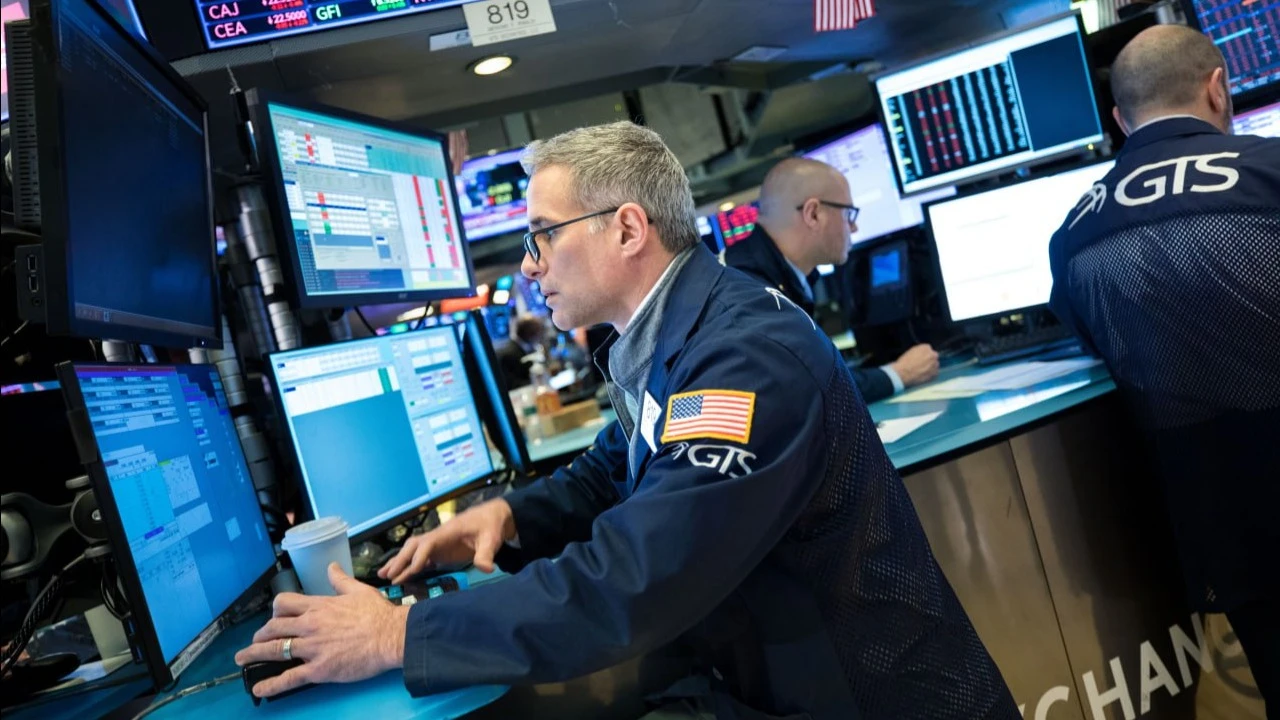
Job growth in the U.S. came in at nearly one-third of what was expected. What will the Fed decide?


The number of jobs in the U.S. rose by 84,000 in September / Photo: PeopleImages / Shutterstock
U.S. nonfarm payrolls rose by 29,000 in September — nearly three times less than the 84,000 expected on Wall Street and more than four times less than the revised August gain of 133,000, according to data from the U.S. Bureau of Labor Statistics (BLS).
The unemployment rate rose slightly in September compared with August’s 4.1%, reaching 4.2% last month. Employment in all major sectors remained virtually unchanged over the month, according to the BLS release.
Wage growth remained moderate, although it also came in slightly below expectations: On a monthly basis, average hourly earnings in the U.S. rose 0.2% in September (economists had expected a 0.3% increase) and 3% on an annual basis (compared with a forecast of 3.2%, according to Barron’s).
What's Happening in the Markets
Treasury bond yields fell after data from the Department of Labor showed that the U.S. economy added fewer jobs than expected in September. Specifically, the yield on 10-year Treasuries fell by nearly one-tenth of a percentage point to 5.15%; yields on 2-year Treasuries, which are the most sensitive to interest rate expectations, followed a similar trend, according to The Wall Street Journal.
Futures on major stock indices have surged: S&P 500 futures are up 0.8%, Nasdaq 100 futures are up 1.14%, and Dow Jones futures are up 0.8%.
Prior to the release of U.S. employment data, markets were pricing in a 24 percent probability that the Federal Reserve (Fed) would raise interest rates by a quarter point at its October meeting. Following the release of the latest macroeconomic data, this probability fell further—to 16.1%, according to data from the CME’s FedWatch tool.
What Labor Market Data Means for the Fed
The Federal Reserve has shifted its focus from supporting the labor market to fighting inflation, according to The Wall Street Journal. Last month, the Fed raised its benchmark interest rate for the first time in three years in an effort to curb price increases, which remain above the U.S. central bank’s 2% target. One reason for this shift is that the central bank has concluded that the labor market is in good shape and needs fewer stimulus measures, the publication notes. Among other factors, the rate hike was preceded by a strong U.S. jobs report for August, which was three times better than market expectations.
"A fairly broad range of data, including labor market data, indicates that the economy has strengthened," said Kevin Warsh, who took over as chair of the Fed in the spring, in September.
This article is being updated
This article was AI-translated and verified by a human editor