JPMorgan warned of a 10% correction in the S&P 500 from its peak because of the Iran war

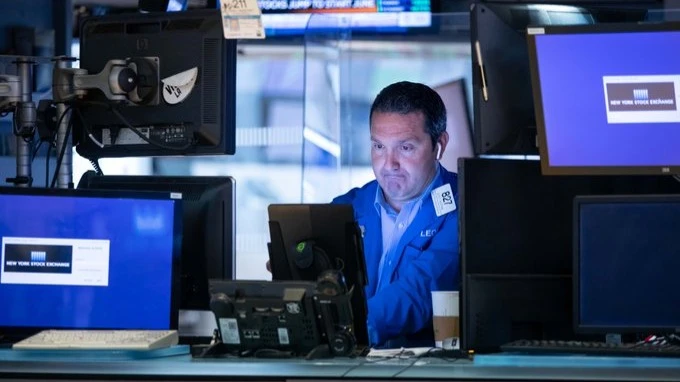
JPMorgan warned of the risk of correction of the S&P 500 index due to the war in Iran / Photo: X / NYSE
The S&P 500 index may fall by 10% relative to its peak January values due to the ongoing conflict in the Middle East, the Bloomberg agency quotes the opinion of analysts JPMorgan. However, traders, according to experts, are not ready for such a fall.
Details
As the conflict in the Middle East continues and oil prices have climbed above $100 a barrel at intraday highs on March 9, JPMorgan analysts led by Andrew Tyler have taken a "tactically bearish" stance on U.S. stocks.
According to Tyler's estimate, a 10% decline in the S&P 500 from the high would mean a drop in the index to about 6270 points, which is about 7% below the closing level of the broad index of American stocks on Friday, March 6. At the same time, market participants, as JPMorgan believes, are not ready for such market dynamics: they still refuse to "significantly reduce risks; positioning in the market remains neutral," Bloomberg quotes analysts.
Tyler noted that last week investors were selling energy stocks, expecting the conflict to de-escalate. However, at the end of the weekend, oil prices jumped by 20% to more than $119 per barrel on Monday, March 9. This is how the markets reacted to the reduction of oil production by several Gulf countries, including the largest exporter Saudi Arabia. All this has increased fears of supply constraints and risks of stagflation, Bloomberg writes.
At the same time, JPMorgan believes that the pressure on the stock market can quickly ease if the conflict in the Middle East does not drag on: "Fundamental macroeconomic factors still support risky assets," the analysts concluded (quoted by Bloomberg).
Context
The S&P 500 reached its all-time peak of 7002.28 points at the end of January 2026. At that time, stocks rebounded after a sell-off caused by the Greenland situation - the focus of market participants shifted to corporate reports. Since then, America's broad equity market index has lost about 300 points - or about 4%. Since the beginning of the year, the S&P 500 has been losing about 1.8%, and since the escalation of the conflict in the Middle East began, it is down a little more than 2%.
Last fall, JPMorgan's baseline forecast for the S&P 500 at the end of 2026 assumed the index would grow to 7,500 points. Relative to current indicators, this target assumes its growth by a little more than 10%.
This article was AI-translated and verified by a human editor