L'Oréal benefited from the "lipstick effect". Its stock had its best day in 16 years

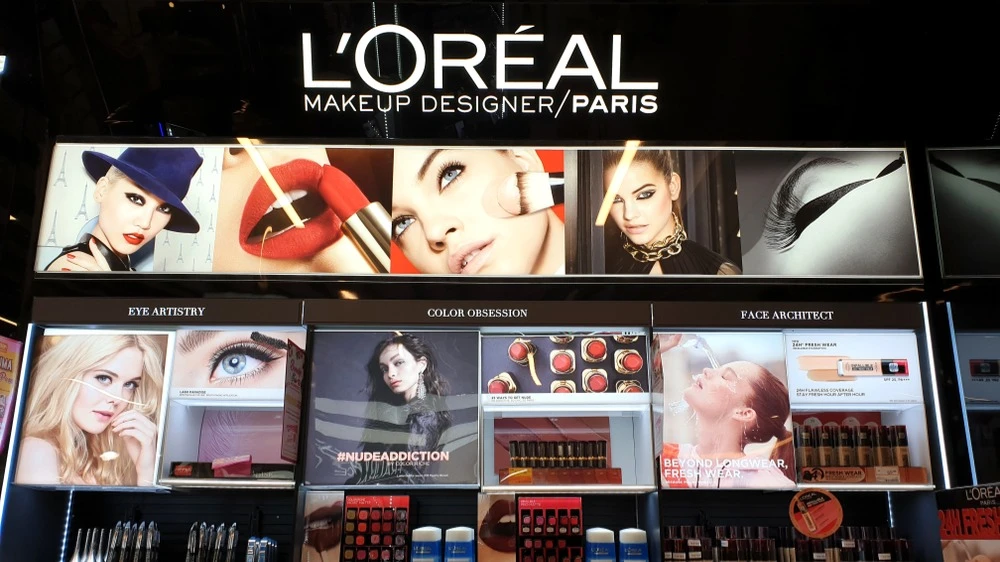
L'Oréal shares posted their biggest intraday gain in 16 years on the back of strong quarterly results / Photo: TY Lim / Shutterstock
Shares of L'Oréal, the world's largest cosmetics maker, rose by a maximum of 10% in Paris trading on April 23 after the publication of quarterly reports, thus showing the biggest daily gain in almost 16 years, Bloomberg writes. In the report, L'Oréal reported its strongest quarterly sales in two years. This was helped by a recovery in demand in China and the so-called "lipstick effect" in Europe, supporting interest in beauty products against the backdrop of the ongoing war in the Middle East, notes the Financial Times. Since the beginning of the year, L'Oréal securities have added just over 2%.
As L'Oréal reported in the report
- L'Oréal's comparable sales in the first quarter of 2026 rose 7.6% year-on-year to €12.2 billion ($14.3 billion), while analysts had forecast growth of only 3-4%, CNBC reports. Excluding one-off factors, the quarterly year-on-year growth rate was 6.7%, the report said.
- Overall, L'Oréal, which, in addition to its namesake brand, owns the Kérastase, Garnier and NYX Professional Makeup cosmetics and grooming brands, reported year-to-date sales growth in all areas of its business, including its cosmetics, hair care, skin care and perfumery divisions. The professional products and dermatological cosmetics segments led the growth, with comparable quarterly sales up 13.1% and 10.2% year-over-year, respectively - even though the former remains the smallest business within the group, CNBC noted.
"We not only exceeded expectations in the dynamic cosmetics market, but also accelerated our market share growth worldwide," said L'Oréal CEO Nicolas Hieronymus (his words are quoted in the company's report). He also noted the so-called "lipstick effect" - a situation in which consumers turn to small pleasures for solace in times of war, writes the Financial Times. "Ma to me is an absolute demonstration of what we call the 'lipstick effect' or the dopamine effect of beauty," Hieronymous said.
In Europe, L'Oréal's comparable sales increased by 5.5% and in North Asia by 4.8%. North America, L'Oréal's second largest market after Europe, grew by 7.6%.
Against this backdrop, the L'Oréal CEO noted that despite the volatility of global markets due to the conflict in the Middle East, the company has yet to see "changes in consumption patterns" in the beauty market. At the same time, Hieronymus admitted that the company is facing rising logistics and raw material costs on the back of high oil prices. In this regard, the CEO added, L'Oréal may raise product prices in the second half of the year if cost pressures, including higher plastic costs, continue.
The company estimates that if oil prices remain at $90-100 per barrel, L'Oréal's additional costs could amount to €90-100 million, the company's representatives told analysts during a teleconference on the results of reporting, Bloomberg reports.
What the analysts are saying
- The company's underlying sales growth in the first quarter was "very impressive," Barclays analysts said. "Cosmetics market growth of 4% shows no signs of slowing," CNBC quoted them as saying. The company's strong results for the first three months of 2026 are not a one-off effect, but reflect its fundamental strength and long-term market position, Barclays said, The Wall Street Journal reported.
- Jefferies analysts said the company beat sales expectations in all key regions - the U.S., Europe and China, the latter despite inventory adjustments in the consumer division and ongoing disruptions in "travel retail" (sales at airports and traveler zones).
- After two weak years for the industry and L'Oréal shares (from its all-time highs reached in 2024, L'Oréal securities have lost more than 20%), the company appears to be reaching a turning point, according to Bernstein analyst Callum Elliott. His opinion quotes the FT.
- Deutsche Bank analyst Tom Sykes noted in turn that while the company's latest results indicate an acceleration in L'Oréal's underlying growth, the market may be cautious about extrapolating these dynamics into the future, The Wall Street Journal reports.
L'Oréal and the beauty industry as a whole have faced slowing demand in recent years, as well as pressure from duties in the U.S. and increased competition from new brands, the newspaper said.
The consensus of analysts on shares of L'Oréal remains generally positive. According to MarketScreener, the majority of experts who watch the company's securities - 14 out of 25 - recommend buying them. Nine take a neutral stance, while two advise selling.
Context
L'Oréal's strong results contrast with weaker performance from other consumer companies, as well as luxury groups such as LVMH and Kering, where conflict in the Middle East has hurt growth in the first quarter, the FT notes.
This article was AI-translated and verified by a human editor