Sales of luxury brands in Dubai malls fell 50% in first month of war - Reuters

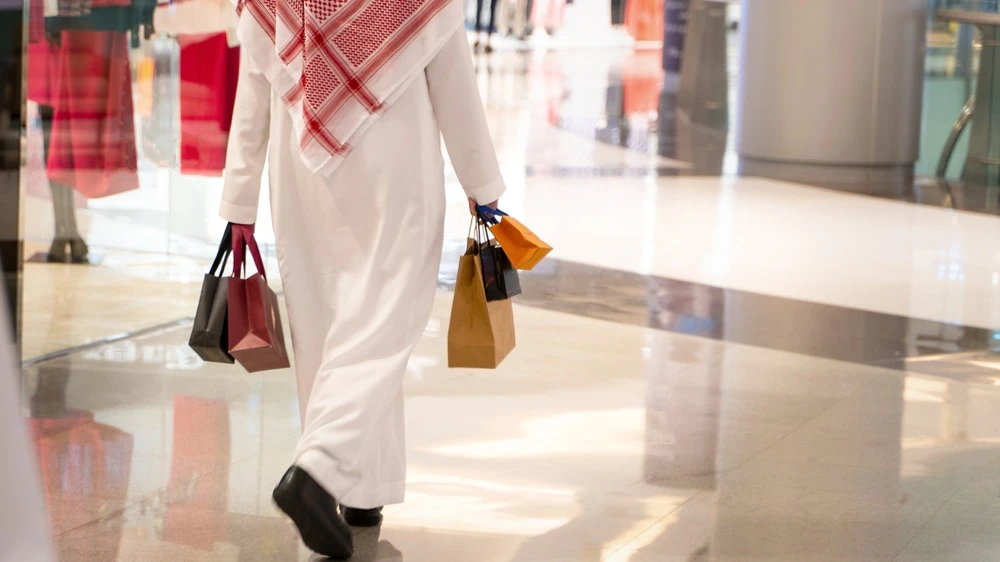
Sales of European luxury brands in Dubai's largest shopping mall fell 30-50% in March amid the ongoing war in the Middle East / Photo: LiteHeavy / Shutterstock
Sales of European luxury brands in Dubai and Abu Dhabi shopping centers fell significantly last month amid the conflict with Iran, which has hit one of the fastest-growing regional markets in the global luxury industry, totaling about $400 billion, Reuters reported, citing industry sources.
Details
European luxury brands reported a 30-50% drop in revenue in one of Dubai's largest shopping centers - Mall of the Emirates - compared to the same period last year, a source familiar with the previously unpublished data told Reuters. The mall, he said, houses boutiques of brands such as Louis Vuitton and Dior, part of LVMH, Gucci, a brand of the Kering group, Cartier, a brand of Richemont, as well as Chanel and Rolex. Attendance at Mall of the Emirates fell by 15% last month, the agency's interlocutor pointed out.
Luxury brands face similar problems in Dubai's largest tourist-oriented shopping center, Dubai Mall. Its footfall fell by about 50% in March, two of the agency's industry sources said. This could indicate an even more significant drop in sales, Reuters noted.
In Abu Dhabi, where the retail sector is less dependent on tourists, the dynamics were more resilient, with sales at the Galleria shopping center declining by around 10% across all destinations in March.
The attendance figures reflect the impact of the conflict in the Middle East on the luxury sector ahead of the publication of quarterly reports of LVMH, Kering and Hermès, draws the attention of Reuters. Operators of the shopping centers, as well as representatives of LVMH, Kering and Hermès did not respond to Reuters' request for comment.
LVMH shares fell by 1.5% in Paris trading on April 13, Kering securities fell by 2.3%, Hermès - by 1.3%.
How important the Middle East is to the luxury sector
The Middle East, which accounts for about 5% of global luxury consumption, remained one of the few sources of growth for the industry after the boom in this market ended in 2022. While total luxury industry sales fell 2% last year, Bain & Company data shows, luxury brands in the Gulf have seen annual revenue increase at double-digit rates in recent years, said Carol Maggio, head of luxury sector analytics at Barclays. "It was definitely a strategically important region. [Before the war] everything was fine," she added.
However, Dubai's image as an important regional hub and center of stability was undermined after U.S. and Israeli strikes against Iran in late February. Iran's retaliatory attacks in Dubai damaged some buildings and infrastructure, including the iconic Burj Al Arab hotel, as well as the emirate's international airport.
What's gonna happen next?
Rebuilding Dubai as a key regional center will take months, even if diplomatic efforts lead to a speedy end to the conflict, Reuters notes. The secondary effects of the conflict - including higher oil and flight prices, accelerating inflation or a possible sell-off in stock markets - could "easily undermine" consumer demand not only in the Gulf but also beyond, especially in the U.S., Bernstein analysts noted in April.
"If it turns out that the recovery in luxury demand that was hoped for in 2026 doesn't happen, and [that recovery] is delayed until at least the second half of the year or even next year, it's unlikely to surprise anyone," said Christopher Rossbach, portfolio manager at J Stern & Co in London.
Due to the relatively small share of the Middle East in the total revenue of luxury companies, the direct impact of the conflict on quarterly sales will be limited, the agency said. However, its impact on the companies' profits may be much more tangible, Rossbach noted, since most publicly traded luxury companies disclose their profits only once every six months.
This article was AI-translated and verified by a human editor