Laptop with On-Device AI: Google Announces Release Date and Prices for the First Googlebooks
Google Books will feature touchscreens ranging from 13 to 15 inches in diagonal and will be able to operate for up to 14 hours on a single charge

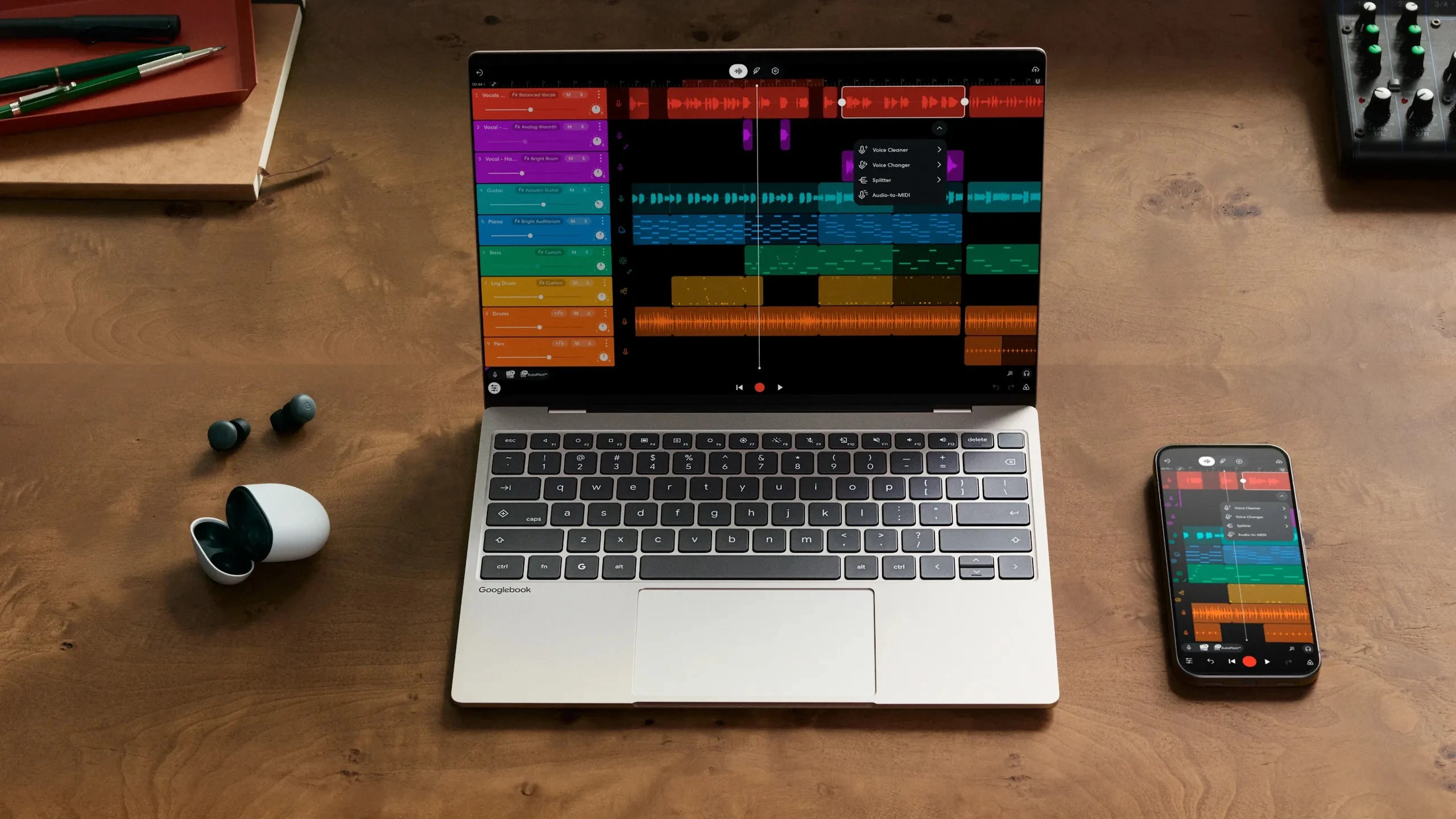
Google Books users will be able to continue on their device the work they started on their phone / Photo: Google
Alphabet has announced the prices, specifications, and launch date for the first Googlebook laptops, marking its entry into the premium device segment, where built-in artificial intelligence features are already becoming standard. With these devices, priced starting at $899, the company hopes to attract Android users and developers by making Gemini AI an integral part of the laptop experience, according to Bloomberg.
Details
Five manufacturers—Acer, Asustek Computer, Dell Technologies, HP, and Lenovo Group—will produce Googlebook desktops running an operating system similar to Android. The models will vary in price, design, and specifications—including processor and storage capacity—but they will also share common features: a similar keyboard layout and a Glowbar that displays the battery level and custom animations.
Googlebooks will feature touchscreens ranging from 13 to 15 inches diagonally and will be able to run for up to 14 hours on a single charge. Initially, they will be equipped with Intel Core Ultra Series 3 or Qualcomm Snapdragon X processors. Models with MediaTek processors will be available in the future. The laptops are designed to be thin and portable: some models weigh about 1 kg.
Prices for the devices start at $899, and the top-of-the-line models will cost around $1,299. Pre-orders for these laptops begin on September 21. Shipments to the U.S. will begin on October 4, and the devices will go on sale the following day in Canada, the U.K., Ireland, France, Germany, and Australia.
Alphabet shares rose 1.5% on September 21, to $354.6. They have risen 13% since the beginning of the year.
Its own operating system
The Googlebook operating system clearly resembles Android, notes Bloomberg: it features preinstalled and customizable desktop widgets, Android-like app lists, and drop-down settings panels. At the same time, it incorporates elements of Chrome OS—the system that powers Chromebooks, affordable laptops that are widely used, particularly in schools. Google has stated that the Googlebook software will receive regular updates with new features over the next 10 years.
For Google, which derives most of its revenue from advertising and services, the point of entering the laptop market is to offer devices that will work seamlessly with Android smartphones, explained Samir Samat, Google’s president of the Android ecosystem, at a media event in New York last week. “We decided to start with our Android community, where we really see a gap,” Bloomberg quoted Samat as saying. “If someone has an Android device, the question arises: Which laptop best fits the way they work today?”
According to Samat, the company wanted to “reimagine the laptop with an eye toward how users work today and how they will use it in the future.”
All new devices will come with a free one-year subscription to Google AI Pro, which normally costs $19.99 per month. It includes enhanced access to Gemini tools, 5 terabytes of cloud storage, and access to the Google Spark AI assistant. In addition, buyers will receive a three-month subscription to YouTube Premium, as well as access to Adobe Photoshop and CapCut, Google announced.
With Googlebook, the company wants to find a use for AI in laptops that goes beyond flashy but largely useless features, according to Bloomberg. “Today, people believe that AI features can boost their productivity, but so far no one has managed to implement them properly on a laptop,” Samat said. “Either the features people need aren’t there at all, or they’re distracting and exist simply for the sake of AI itself. We want our features to be there when they’re needed and not get in the way when they’re not.”
Google Is Catching Up to Apple
Google is working to improve task continuity when a user starts a task on a phone and then continues it on a PC. Mac and iPhone users have long been able to easily switch between their smartphone and computer while performing various tasks, Bloomberg notes. Earlier this year, Apple introduced the lightweight MacBook Neo, which is selling well and, like many of the company’s new devices, offers built-in access to a new and improved version of the AI assistant Siri. Even after a recent price increase, the Neo now costs $699 and is still cheaper than the Googlebook.
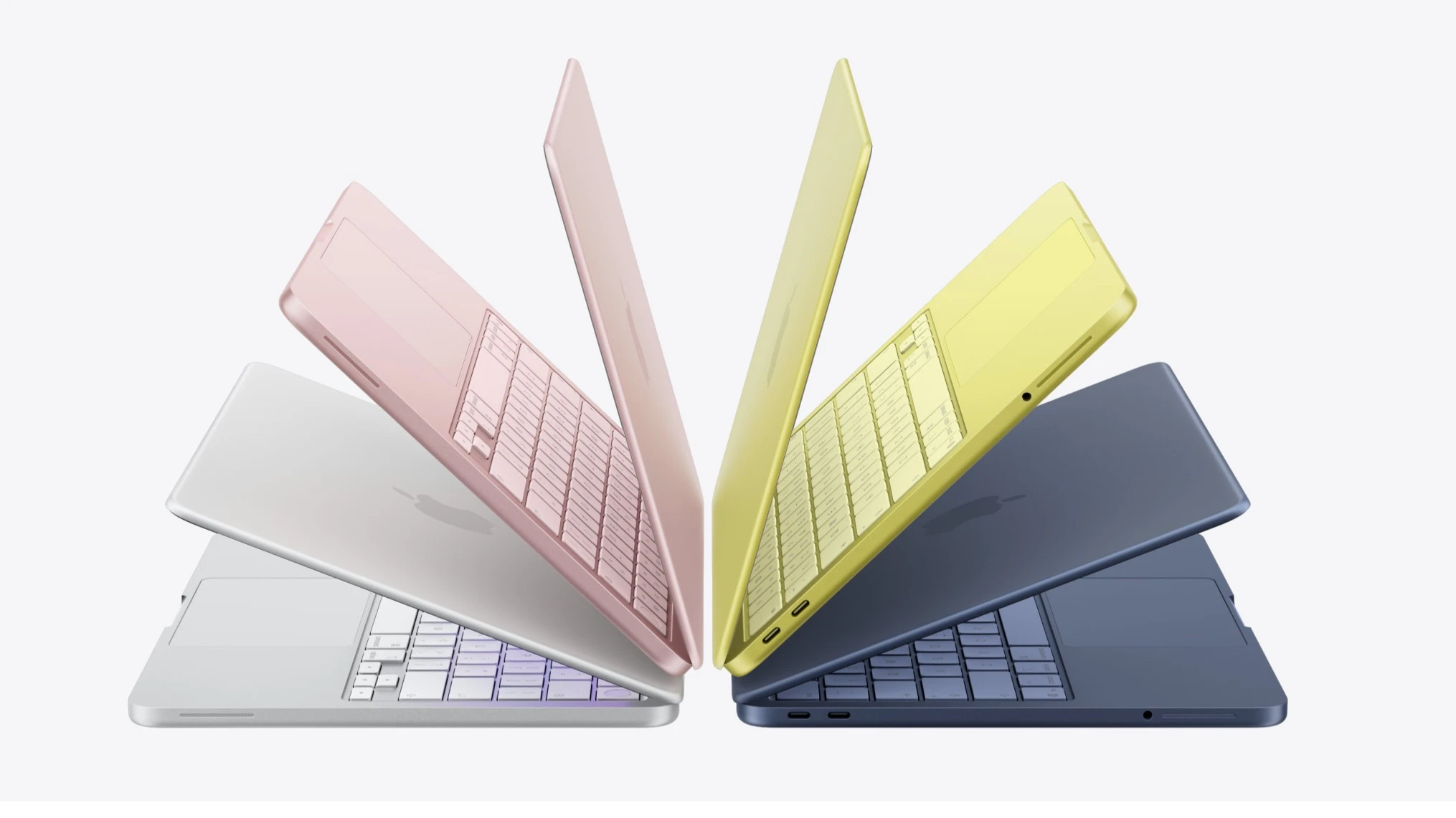
“We view this as a different market segment,” Samat said in response to a question about how Googlebook is positioned relative to the MacBook Neo. According to him, owners of premium smartphones, such as the Galaxy S26 from Samsung Electronics or the Pixel 11 Pro from Google, “want a laptop that’s just as stylish, premium, and powerful as their phone.” He cited the devices’ build quality, as well as Google’s standards regarding touchpad size, the chips used, and minimum memory capacity.
Microsoft, the developer of Windows, and Qualcomm have gained a head start of several years in promoting a new class of computers known as “AI PCs.” These devices come equipped with Microsoft’s Copilot assistant and also promise deep integration of artificial intelligence features.
This isn't Google's first attempt to gain a foothold in the premium laptop market. In 2017, the company introduced the $999 Pixelbook, which was sold under the company's own brand, but the line was discontinued in 2022.
This article was AI-translated and verified by a human editor