The U.S. Has Delayed the Sale of $20 Billion in Lukoil Assets: What This Means for the Fuel Market
The American investment group Carlyle cannot increase fuel production at Lukoil's European refineries without Washington's approval

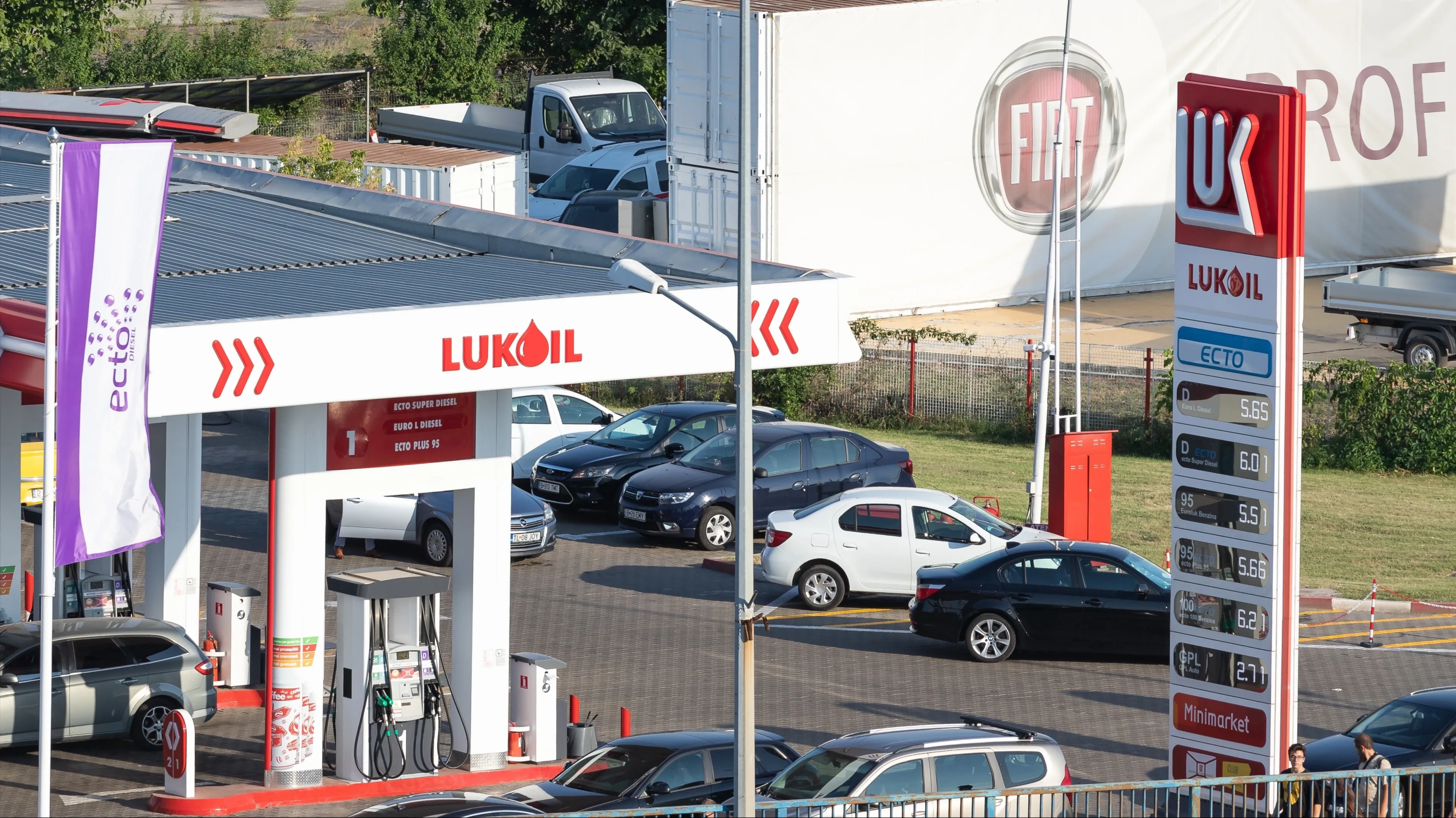
Following the imposition of U.S. sanctions in October 2025, Lukoil was forced to sell its overseas assets, valuing them at 1.7 trillion rubles / Photo: Tudoran Andrei/Shutterstock.com
U.S. authorities are holding up the sale of Lukoil’s overseas businesses, valued at $20 billion, to the Carlyle Group, according to the Financial Times. The approval process has dragged on for nearly ten months: the delay is preventing an increase in gasoline and diesel production at European refineries at a time when fuel shortages have driven prices in the U.S. and Europe to record highs.
The deal is stalled in Washington
The U.S. Treasury Department’s Office of Foreign Assets Control (OFAC) has already approved a deal under which Carlyle is set to acquire Lukoil’s assets in 17 countries, sources familiar with the matter told the FT. However, they said that final approval within the Donald Trump administration has stalled at the interagency level: the National Security Council, the State Department, and the U.S. Department of Energy are all involved in the discussions.
“We no longer understand what’s going on with the deal. There’s been no progress,” one of the parties involved told the newspaper. “It’s just sitting there, stagnant, and I don’t know what else they’re waiting for.”
Lukoil’s European operations include refineries in Bulgaria and Romania, as well as a 45% stake in the Zeeland refinery in the Netherlands. The combined capacity of the three facilities is about 400,000 barrels per day, though Romania’s Petrotel has been shut down since undergoing scheduled maintenance last year, according to the FT. According to a source at the newspaper involved in the negotiations, the completion of the deal would allow for the utilization of additional refining capacity of 100,000–150,000 barrels per day.
Oil Prices Are Falling, but There's a Shortage of Diesel
“Lukoil’s European facilities have significant underutilized refining capacity that could help increase supplies of petroleum products and ease pressure on fuel prices,” Carlyle told the FT. The publication attributes the acute diesel shortage in Western markets to the conflict in the Middle East and Ukrainian strikes on Russian refineries.
Meanwhile, oil prices fell to an 11-day low on September 21, according to Reuters. Investors are hoping that this week’s UN meeting will help advance a diplomatic resolution to the war with Iran, and are monitoring the partial resumption of supplies from Saudi Arabia, the agency notes.
“Oil shipments from the Middle East remain surprisingly stable despite disruptions to the Saudi East-West pipeline,” Reuters quotes a note from JPMorgan Chase analysts as saying. According to satellite data cited by the agency, an average of 2.9 million barrels of Saudi oil per day has been passing through the Strait of Hormuz in recent days—compared to 700,000 in August.
"Orphaned" Assets
The U.S. imposed sanctions on Lukoil in October 2025 in an effort to increase pressure on Moscow over its invasion of Ukraine. Washington blocked an attempt by oil trader Gunvor to purchase the company’s foreign assets. The U.S. Treasury Department has repeatedly extended the license for sale negotiations: on September 18, its expiration date was pushed back to October 22.
“These assets have been left in limbo,” says an FT source familiar with the deal. “They’re waiting for the U.S. government to decide who their next owner will be. In the meantime, they’re sitting idle and falling into disrepair because no money is being invested in them.”
Context
The deal came under the spotlight after the U.S. Congress approved a bill introduced by Lindsey Graham last week aimed at increasing pressure on Moscow, the FT reports. The bill calls for measures against Russia’s energy and defense sectors, as well as tariffs of up to 100% on goods from a number of countries that purchase Russian oil and gas or facilitate the circumvention of sanctions. On September 19, Trump signed this new sanctions package into law.
This article was AI-translated and verified by a human editor