Micron's Stock Soared: The White House Made It Clear to Apple That It Opposes Buying Chips From China
This removes a long-term threat from several U.S. manufacturers at once, according to an analyst

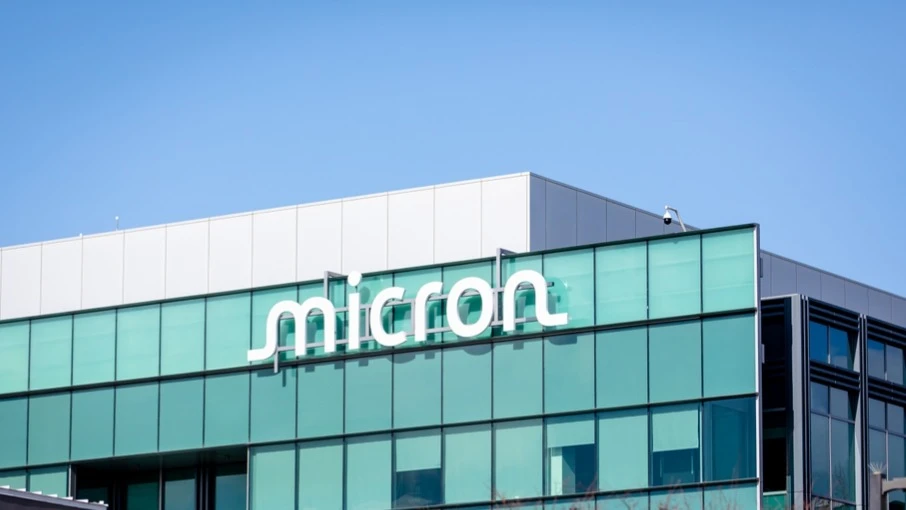
Micron shares rose after the White House called for a boycott of Chinese chips / Photo: bluestork / Shutterstock
Shares of memory chip maker Micron jumped 6% during trading on August 17 following an interview with U.S. Commerce Secretary Howard Latnik in *The Wall Street Journal*. The administration opposes Apple purchasing such chips from China, he said.
American Depositary Receipts (ADRs) of SK Hynix, a South Korean competitor of Micron and one of the market leaders, rose by about 7%. Shares of flash memory manufacturer SanDisk rose 9.2%, leading the gains in the S&P 500 index. Shares of data storage manufacturers Seagate and Western Digital rose 1.8% and 5%, respectively, while chipmaker Marvell’s stock price increased by 7.3%.
The PHLX Semiconductor Sector Index rose by about 2.7% on Monday and, according to Dow Jones Market Data, is nearing the threshold for a new “bull market,” MarketWatch notes.
Investors are returning to trading in artificial intelligence hardware, with the memory segment currently seeing the highest demand, according to Barron’s.
What's Happening in the Market
The insatiable demand for memory chips from companies building data centers for artificial intelligence has led to a shortage and a sharp rise in prices for these critical components. As a result, Apple and other consumer electronics manufacturers have been forced to raise prices on their products. To alleviate the shortage, Apple is considering purchasing from Chinese manufacturers, specifically CXMT—which recently went public—and Yangtze Memory Technologies, the WSJ previously reported, citing sources. The publication clarifies that this involves the supply of components for gadgets sold in China.
Laptop manufacturers HP and Acer have already begun using CXMT memory chips in devices sold outside the U.S., the WSJ reported.
“The Trump administration does not support this,” Latnik said after visiting Apple’s manufacturing facility in Houston on August 14. According to him, there must be “other solutions to the memory problem.” “It’s not right for great American companies to use Chinese memory,” the commerce secretary said. When asked if he had conveyed this position to Apple, Latnik replied, “Unequivocally.”
Apple Chief Operating Officer Sabih Khan declined to confirm in an interview with the WSJ that the company is testing Chinese memory chips. However, given the scale of the shortage, the company “must consider all options,” the top executive said. Among them is collaborating with current suppliers to ramp up production in the U.S.
Apple’s outreach to Chinese players was “the only scenario that could truly undermine the ability of U.S. suppliers to dictate prices over the next few years,” according to Simon Friedman, a trading specialist at AvaTrade. Therefore, he says, the White House’s pushback “removes a serious long-term threat to Micron, SanDisk, and Western Digital.”
This article was AI-translated and verified by a human editor