Tesla's deliveries exceeded forecasts thanks to a rebound in demand in Europe

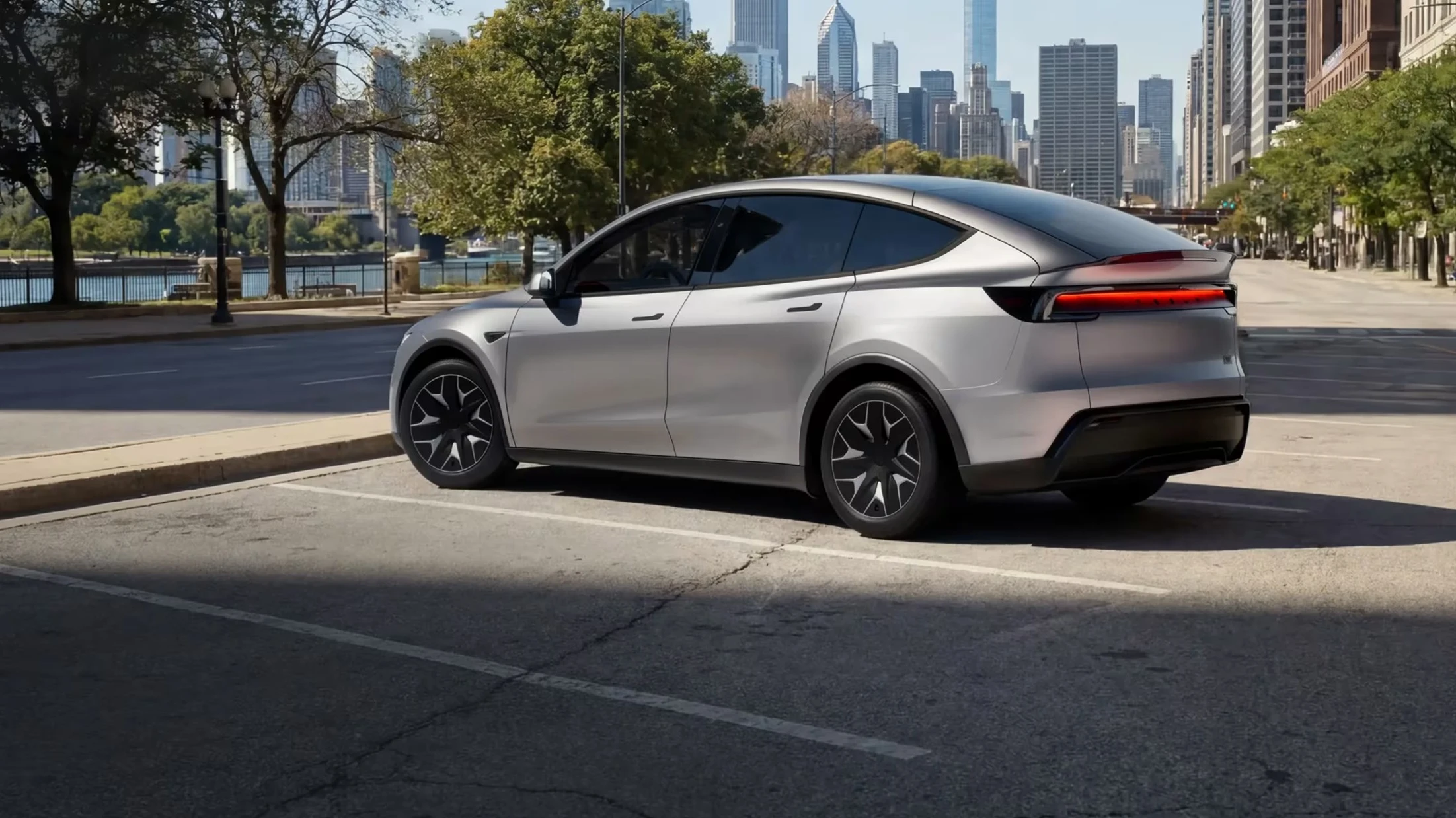
Tesla Exceeded Analysts' Forecasts for Third-Quarter Deliveries / Photo: Tesla
Tesla's deliveries in the third quarter fell by 2% but significantly exceeded Wall Street's expectations, even during a challenging period for the U.S. electric vehicle market. The company’s results suggest that its core automotive business may be stabilizing after two years of declining annual sales, Reuters reports. Tesla’s stock rose 4.7% at the close of trading on October 2.
Details
Tesla's deliveries in the third quarter fell 2% compared with the same period last year, totaling 486,532 vehicles, the company reported. However, the quarter was the best of the year, and the results were 5% higher than analysts surveyed by Bloomberg had expected.
These deliveries were largely driven by a recovery in demand for cars in Europe, Reuters notes. In France, the Model Y became the best-selling vehicle of any type for the first time. In August, new Tesla registrations in the EU rose by about 53%, and by 66% over the first eight months of the year, according to data from the European Automobile Manufacturers’ Association cited by Bloomberg.
The European market helped the company offset the decline in demand in the U.S. market due to the expiration of tax incentives and increased competition in China. In the Chinese market, Tesla offered discounts on the Model 3 and Model Y toward the end of the quarter. In August, approximately 41.9% of the electric vehicles produced at the manufacturer’s plant in Shanghai were shipped overseas, according to data from the China Passenger Car Association.
Analysts have raised their forecast for Tesla's 2026 deliveries: they now expect them to grow by 10% to 1.82 million vehicles, according to Reuters.
“Strong results are putting Tesla on a path to year-end delivery growth after two years of decline,” said Morningstar analyst Seth Goldstein. “I believe that the Full Self-Driving system is a factor that sets Tesla apart and encourages consumers to choose its cars over other brands.”
According to calculations by Visible Alpha analysts, the company needs to sell at least 311,448 vehicles in the fourth quarter to surpass last year's results.
Why a 2% decline is a good sign
In the third quarter of 2025—the period against which the current results are being compared—Tesla posted record sales: as Business Insider notes, electric car buyers were rushing to take advantage of the $7,500 tax credit before it was phased out.
After that, the U.S. EV market plummeted. Sales in August fell by 47% compared to 2025, according to data from Cox Automotive. Many automakers scaled back their plans for electric vehicle development and withdrew certain models from the U.S. market.
Tesla weathered the "winter" in the electric vehicle market better than most of its competitors: after the tax credit was eliminated, it increased its share of the U.S. market, and in the second quarter, sales significantly exceeded expectations, according to Business Insider.
Nevertheless, on July 2—the day the second-quarter shipment data was released—the company’s stock experienced its worst day of the year. From the beginning of 2026 through October 2, the company’s market value fell by 17.6%.
What's Weighing on Stocks
Although electric car sales remain Tesla’s largest source of revenue, investors are increasingly interested not in its automotive business but in its robotics and autonomous vehicle projects, according to Reuters. Their relatively slow progress is weighing on the company’s stock, explains Business Insider.
Tesla’s robotaxis still lag far behind Alphabet-owned Waymo, which already provides commercial services in 10 U.S. cities and has a fleet of more than 4,000 autonomous vehicles, CNBC notes. According to estimates by the website Robotaxi Tracker, Tesla has 332 electric carsoperating fully autonomously
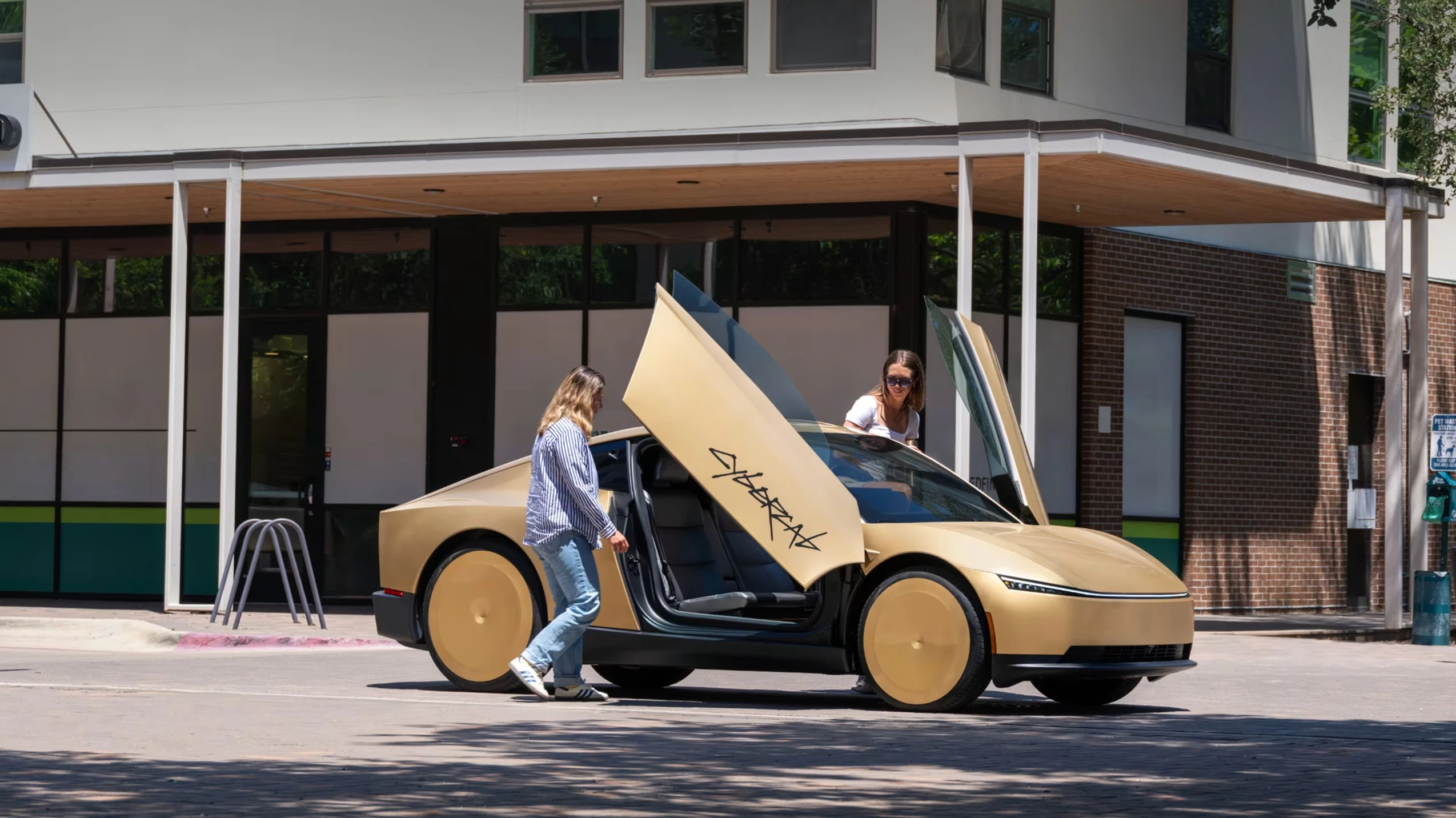
in six cities in Texas and Florida. Another 700 vehicles are providing rides in San Francisco with a safety driver on board. In September, Tesla added a specially designed Cybercab to its service in Austin, Texas.
The company is counting on the expansion of autonomous driving in Europe. The system is currently approved in eight countries, and analysts expect that its further rollout could boost Tesla's sales, according to Reuters.
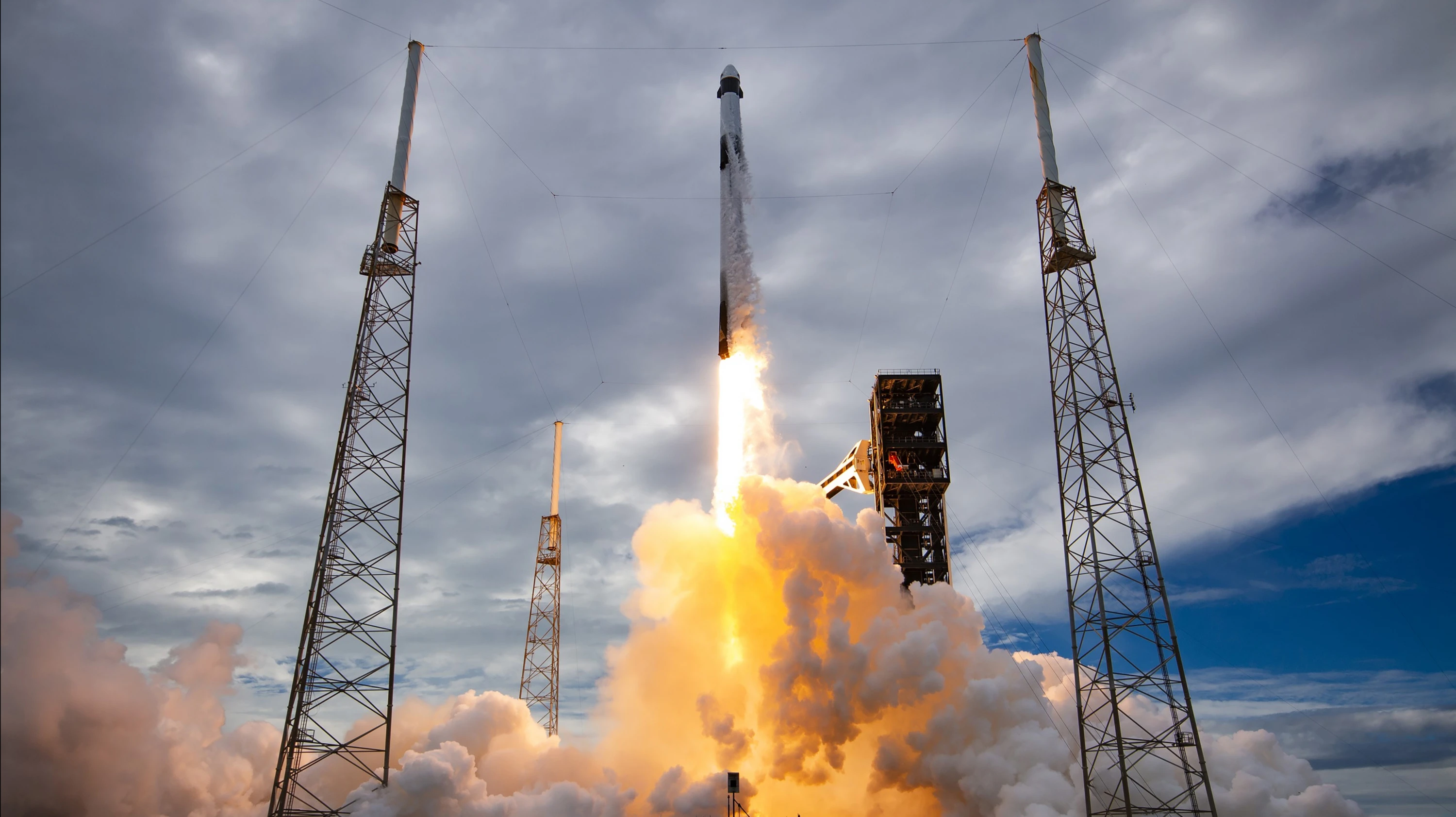
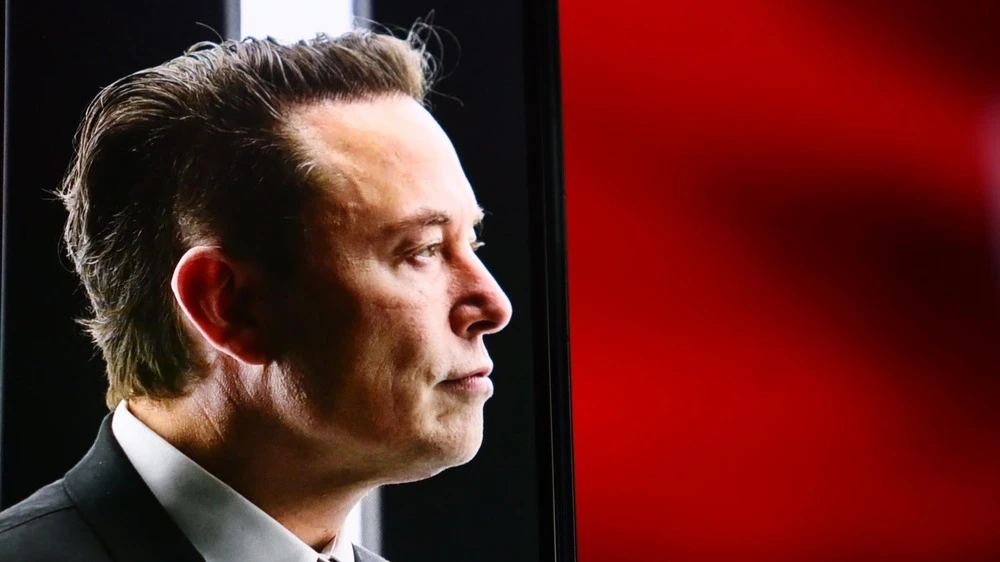
Over the past month, the automaker's stock has risen 4.7% amid expectations that Elon Musk might merge Tesla with another of his companies—the aerospace firm SpaceX.
Context
According to the International Energy Agency’s May forecast, by the end of 2026, the share of electric vehicles in global new-car sales will increase from 20% to 25%. The IEA attributed the growing interest in such vehicles, in particular, to the conflict in Iran and the sharp rise in gasoline prices, which “have strengthened the case for electric vehicles as a solution to energy security and fuel cost issues.”
This article was AI-translated and verified by a human editor