The G7 countries will release 100 million barrels of oil and diesel. What does this mean for the market?

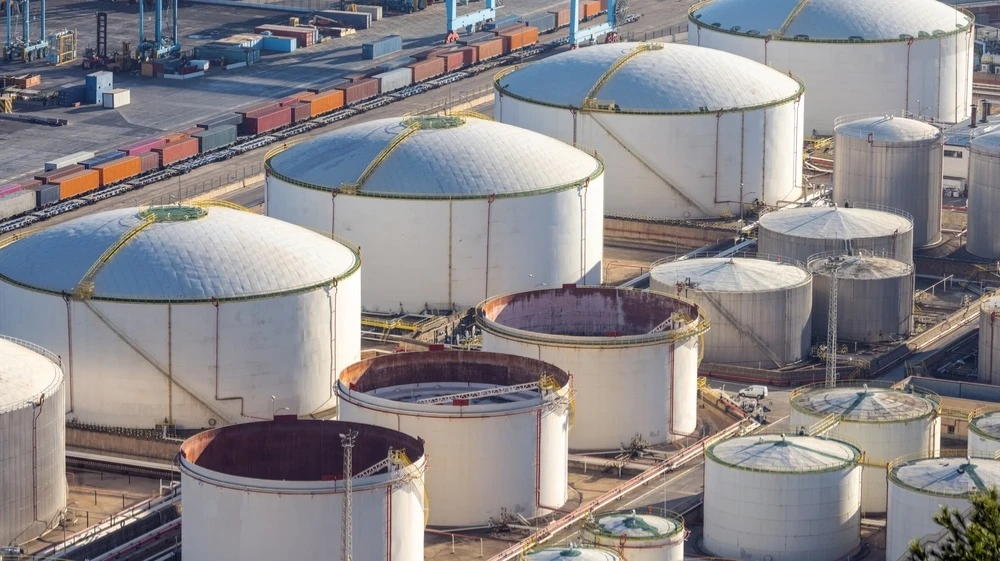
The G7 will release up to 100 million barrels of oil and diesel from its reserves / Photo: elxeneize / Shutterstock
The “Group of Seven” (G7) countries have agreed to release 100 million barrels of crude oil and diesel fuel from their strategic reserves within four months and to refrain from restricting oil exports. French President Emmanuel Macron announced this on Friday, October 2, according to The Wall Street Journal. The measure is aimed at curbing the rapidly rising prices of diesel fuel and other petroleum products, the newspaper notes.
European countries have agreed to “release a massive amount of their enormous diesel fuel reserves; the process will begin immediately,” U.S. President Donald Trump confirmed on Truth Social. In addition to the European countries of Germany, France, and Italy, the “G7” also includes the United States, Japan, Canada, and the United Kingdom.
“We have all committed to releasing these strategic reserves in the proportions I mentioned, with an emphasis on diesel fuel. And we are all obligated to ensure there are no export restrictions; President Trump, in particular, was very clear on this point,” Macron said at a press briefing, emphasizing that the G7 countries also agreed “not to take any measures to restrict the trade of energy resources and petroleum products among partner nations” (quoted by Bloomberg).
Following this news, prices for European diesel and Brent crude oil futures fell. The diesel-to-crude price spread—closely watched as a market indicator—plummeted to $69 per barrel from $76.77 on Thursday, according to Bloomberg data. Contracts for the benchmark Brent crude fell to $98.4 per barrel, while WTI crude dropped by more than 3% to $88.19; however, oil prices subsequently recovered some of those losses—at the time of publication, Brent is trading at around $100 per barrel (still down more than 1% from the previous day’s close), while WTI is trading at 90.5%.
Context
The G7 statement effectively neutralizes the threat of a U.S. ban on diesel fuel exports—at least for now, the WSJ notes. Such a move by the U.S. would threaten a key source of supply to the continent, which relies heavily on imports to make up for its domestic diesel production shortfall, Bloomberg points out.
In the U.S., retail prices for diesel fuel have soared to a record $6.50 per gallon in recent months, prompting Trump to express support for an export ban. In Europe, futures prices have at times risen above $200 per barrel—a level that traders estimate is already beginning to put pressure on demand, the agency reports.
The International Energy Agency had already coordinated a plan to release 400 million barrels in March, shortly after the war with Iran began; however, Trump criticized Europe for not bringing those volumes to market quickly enough, according to Bloomberg.
This article was AI-translated and verified by a human editor