No Steering Wheel or Pedals: Regulatory Agency Investigates How Tesla Certified the Cybercab
Automakers are required to independently verify that their vehicles comply with the U.S. Federal Motor Vehicle Safety Standards
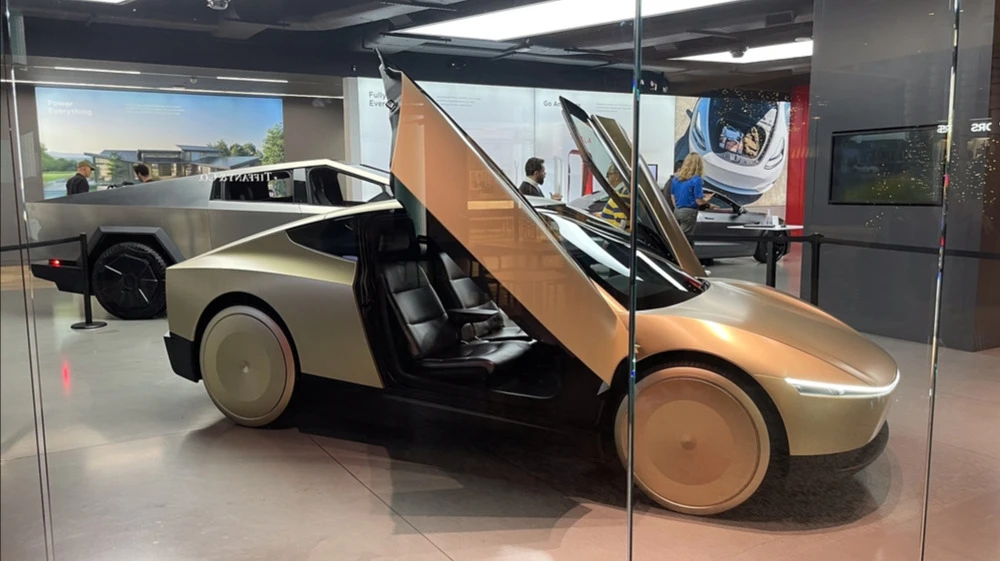
The Cybercab does not comply with U.S. Federal Motor Vehicle Safety Standards because it lacks a steering wheel, pedals, and rearview mirrors / Photo: Josiah True / Shutterstock.com
The U.S. National Highway Traffic Safety Administration (NHTSA) launched an investigation on Friday into the launch of Tesla’s Cybercab robotaxi in Austin, Texas. The agency will examine whether Tesla properly certified its autonomous Cybercab robotaxi. According to safety standards, it must have a steering wheel, pedals, and rearview mirrors, but the vehicle lacks all of these features, Reuters explains.
Details
On September 3, Tesla began commercial operations with a small number of self-driving Cybercab vehicles in Austin and notified the NHTSA that the vehicles comply with current safety standards and that it plans to gradually increase the number of robotaxis on the streets and expand their operating area, the agency reported. However, the vehicles lack traditional manual controls, including a steering wheel, brake and accelerator pedals, and mirrors, the regulator noted.
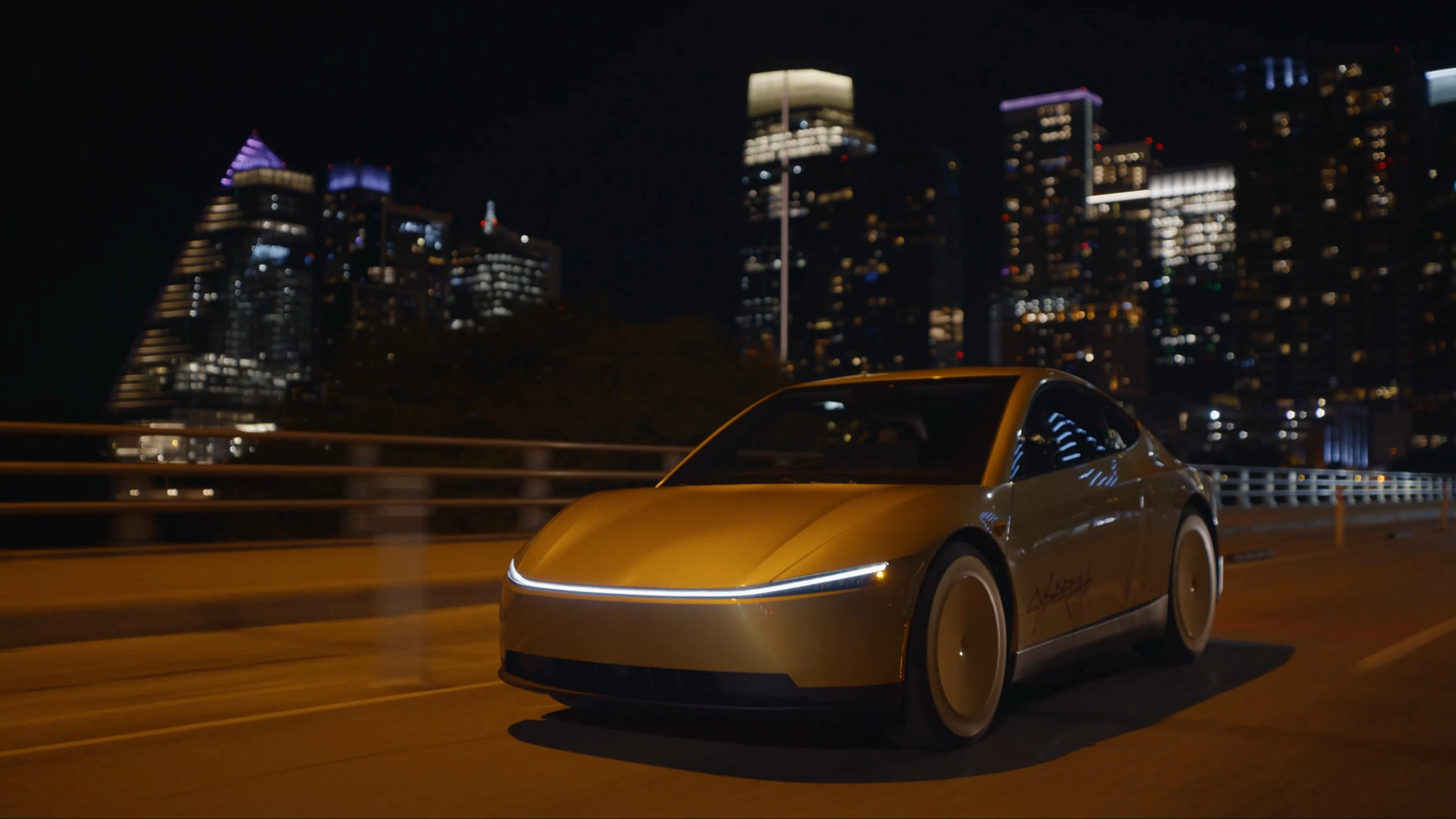
Automakers are required to independently verify that their vehicles comply with safety standards, and if certified vehicles appear not to meet those standards, the NHTSA launches an investigation, the agency explained.
Tesla did not respond to a request for comment from Reuters. The company's stock plummeted 5.9% to $354.08 during trading on Friday, September 4.
Did Tesla act too hastily?
The NHTSA emphasized that it is in the process of revising safety standards: over the past year, it has begun work on eight regulations, including those concerning brake pedals, rain guards, windshield wipers, lighting devices, and rearview mirrors. This would make it easier to bring self-driving cars onto U.S. roads, Reuters reports. However, the agency stated that current standards remain in effect until this work is completed.
According to state data, as of Friday morning, Tesla had 420 autonomous vehicles registered in Texas, including 45 Cybercabs, Reuters added.
The NHTSA has the authority to allow each manufacturer to put up to 2,500 vehicles on U.S. roads annually without mandatory human-operated controls. However, the NHTSA previously reported that Tesla had not requested such an exemption, according to Reuters and The Wall Street Journal. In July, NHTSA approved a request from Zoox (owned by Amazon), a competitor of Tesla: this was the first such decision for the autonomous transportation industry, Reuters added.
What Analysts Are Saying
Experts are questioning just how well Tesla cars can drive on their own, according to Reuters. Tesla claims that its Full Self-Driving software—a version of which is used in Cybercab—drives 10 times better and safer than human drivers, and that the company’s service in Austin has operated without any fatal accidents. However, Reuters interviews with several former Tesla employees who trained the company’s autonomous driving software revealed that the system still struggles even with basic maneuvers, the agency reports.
“No publicly available information about Tesla’s capabilities indicates that the company has even come close to being able to safely and reliably use an autonomous driving system across the wide range of conditions required for a vehicle without traditional controls,” said Bryant Walker Smith, a law professor at the University of South Carolina who specializes in the regulation of autonomous driving, in a statement to Reuters.
“Historically, Tesla has tested the limits of what’s permissible and pushed the boundaries of regulation,” Philip Kupman, a professor of engineering at Carnegie Mellon University and an expert on autonomous vehicle safety, told Reuters. According to him, the company’s CEO, Elon Musk, may offer a “creative interpretation” of automotive regulations and “flood the market” with his cars. “It could take years for the NHTSA or state regulators to sort this out. In the meantime, Tesla will be able to operate its vehicles on public roads.”
This article was AI-translated and verified by a human editor